“Crimes Against Humanity” Reaches Iran and Khamenei Faces International Accountability
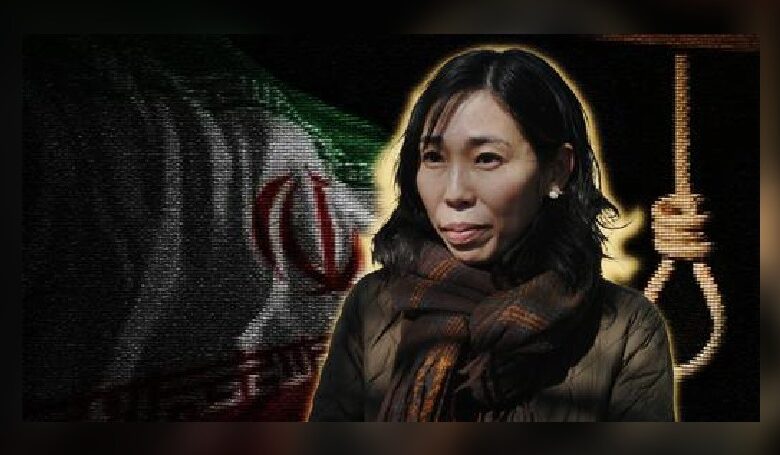
“Mai Sato” called for an independent investigation and legal prosecution against Ali Khamenei while pointing to crimes against humanity in Iran.
Mai Sato, the UN Special Rapporteur on the situation of human rights in Iran, emphasizing the widespread and concerning dimensions of suppression of protesters, stated: “To answer the fundamental question of ‘whether what happened in Iran constitutes a crime against humanity or not,’ the establishment of an independent and international fact-finding body is imperative.” A body that could pave the way for legal prosecution of high-ranking officials, including Ali Khamenei.
While explaining the legal criteria for this grave charge, she emphasized that the mere extent of violence is insufficient and proof of intent and organization is also of decisive importance. Mai Sato clarified in this discussion: “Crimes against humanity refer to widespread and systematic violation of human rights against civilians and this includes murder, torture, and arbitrary detention. The element of intent must also be present. Very large numbers of casualties have occurred and I have seen many videos of security forces firing at unarmed civilians. But if we want to formally call what is happening ‘crimes against humanity’ and if we want to take international criminal law seriously, an independent and thorough investigation into what actually happened is necessary. The almost complete internet shutdown has made independent verification of the death toll by the regime increasingly difficult each day.”
The UN Special Rapporteur addressed the issue of casualty figures in another part of her remarks; figures that remain subject to dispute and ambiguity due to severe communication limitations and government censorship. Referring to various sources, she presented her minimum estimate as follows: “I estimate the minimum figure to be over five thousand people; even relatively conservative organizations have reported this number. Even in the past day or two, Iranian officials themselves said that the death toll was around five thousand people. Therefore, in my view this is the minimum figure. At the same time, I have received reports estimating the death toll as high as 20,000 people.”
Sato further explained that an important portion of this information was obtained through informal but vital channels; including from doctors who, despite serious risks, took measures to transmit data. She added in this regard: “The majority of this information was obtained by courageous doctors who, with access to Starlink, were able to transmit information about the wounded and dead who were transferred to hospitals.”
While last week the UN Security Council held an emergency meeting regarding the targeting of protesters in Iran, disagreement among members prevented any serious practical action. Following remarks by US President Donald Trump suggesting a possibility of US intervention, some council members emphasized diplomatic solutions and dialogue.
Nevertheless, human rights organizations and non-governmental bodies believe the more effective path is not through the veto-bound Security Council, but through the UN Human Rights Council; a body that can initiate formal investigations without requiring consensus from major powers.
Mai Sato has also announced within this framework that the Human Rights Council could hold an emergency session and reactivate an independent fact-finding body for Iran; a body whose mandate would be to examine the key question of whether conditions exist for referring Ali Khamenei’s case to the International Criminal Court.
The UN Special Rapporteur’s remarks indicate that the case of suppressing protests in Iran has entered a new and critical phase; a phase in which the term “crimes against humanity” is no longer merely a political slogan or media buzzword, but a legal concept with potential international consequences. Whether or not an independent fact-finding body is established could determine the boundary between immunity and accountability for Iran’s government and its leader.