150 Political and Civil Activists: Healthcare System on Verge of Collapse in Shadow of Privatization
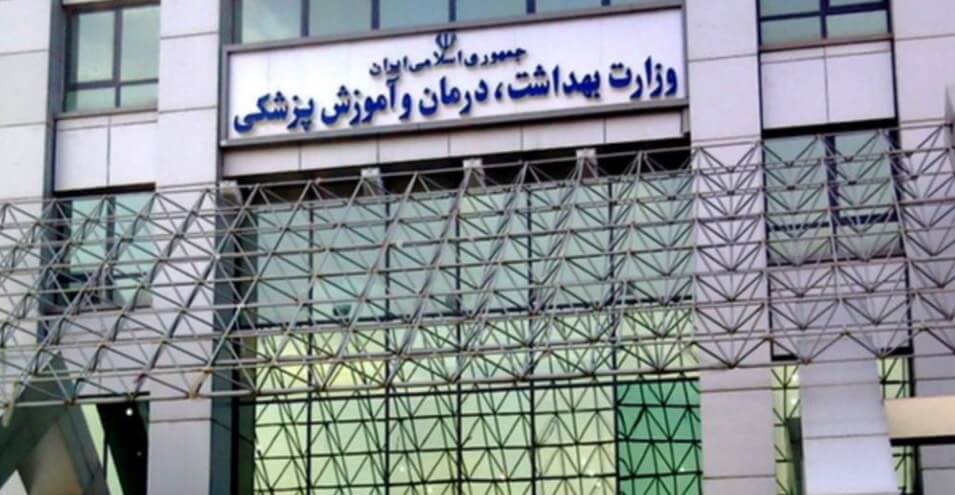
Approximately 150 political and trade union activists, artists, and journalists inside and outside Iran have criticized the government’s policy in dealing with the coronavirus outbreak, stating that “various forms of discrimination, lack of access to treatment and health facilities have intensified, and the weakened healthcare system in the shadow of privatization has reached the brink of collapse.”
According to this group, the necessary preparations to combat the widespread threat of coronavirus for public health were not undertaken, and subsequently, sufficient measures to contain it were not taken.
The statement signatories, referring to official statistics released by the Islamic Republic, added: “Nearly everyone agrees that the authorities have concealed information about the disease and have been unsuccessful in managing the resulting crisis.”
Based on official statistics released by the Islamic Republic, the number of coronavirus victims in Iran by Monday reached 2,757 and the total number of coronavirus patients reached 41,495 cases. In this regard, Iran’s Ministry of Health does not announce statistics of people who have contracted coronavirus or died from it in different provinces separately.
The World Health Organization previously stated that the number of official confirmed cases in Iran may be only one-fifth of the actual number.
Statistics that Radio Farda has compiled so far from scattered statements by local officials and Ministry of Health sources indicate that 66,657 people due to having clinical signs of coronavirus in 31 Iranian provinces have been hospitalized or placed under observation.
This statistic also shows that 4,298 people in 31 Iranian provinces have lost their lives.
In the statement, 150 political and trade union activists, referring to “simultaneous short-term and structural mismanagement in dealing with the crisis,” stated: “Years of implementing economic adjustment policies have painted a deplorable situation before us. Including the fact that millions of workers in poverty conditions, without unemployment insurance and any other source of income, have been sent home, and street vendors have practically lost their jobs.”
The statement signatories added: “Kolbars, who were previously victims of cold and bullets, have been deprived of this dangerous profession, and those who are still working do not have the minimum protective means and facilities against the disease.”
They also, in describing the condition of prisons, wrote that prisoners spend their imprisonment in the shadow of death.
According to dozens of statement signatories, in these circumstances, service and health workers are deprived of minimum support and job security.
In another section of this statement, considering the worsening conditions, they demanded “stopping work in all non-essential sectors and paid leave for employees with underlying diseases in other sectors, conducting widespread coronavirus screening tests and public oversight, mediated by institutions and independent media, over coronavirus crisis management, its prevalence statistics, and allocation of resources and aid.”
“Allocation of basic income for all those in quarantine or who do not have sufficient income to meet basic needs, free universal insurance, and provision of protective health materials for workers in food production and distribution sectors and health and treatment sectors,” are among other demands of the statement signatories.
“Strict observance of health standards in prisons, rehabilitation centers, and addiction treatment camps, accommodation of homeless people in houses and empty public spaces, and granting special facilities for paying rent and electricity, water, and gas bills” are among other demands of these political and civil activists.
Among the statement signatories are Nemat Azarm, Amirabas Azarmvand, Anisha Asadollahi, Farrokh Asadpour, Mehrdad Emami, Aazam Bahrami, Aabed Tovanché, Amir Javaheri Langaroudi, Reza Hajihosseini, Mohsen Hakimi, Mina Khani, Mazdak Daneshvar, Faraj Sarkoohie, and Abbas Samakaar.
Fateme Sadeghi, Parviz Sedaghat, Nasser Zarafshan, Behrouz Farahani, Morad Farhadpour, Kaveh Quraishi, Sepideh Qolian, Parviz Golikhani, Farshin Kazeminia, Ali Keshtgar, Ammar Goli, Mohammad Malju, Kamran Matin, Hassan Mortazavi, Akbar Masoumbiggi, Shahram Mouselchi, Bagher Momeni, Maryam Vahidian, and Nasrin Hazareh Moghadam, are also among other statement signatories.
Source: Radio Farda