Reza Pahlavi Emphasizes ‘Eliminating Discrimination’ and Role of All Ethnicities and Religions in Iran’s Future
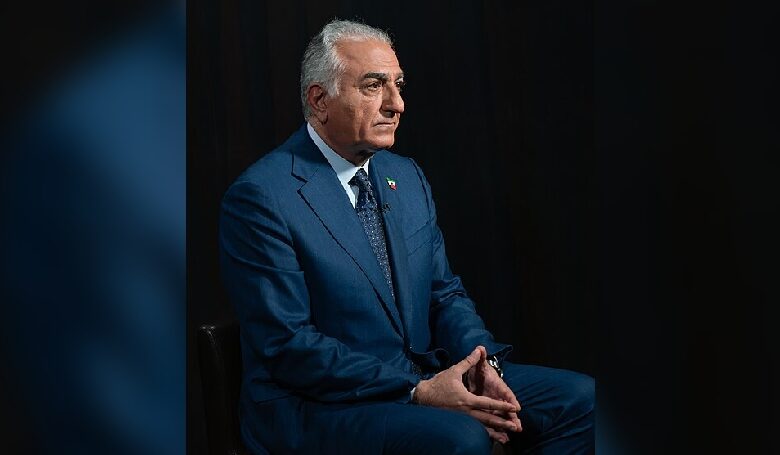
Prince Reza Pahlavi announced the presentation of fundamental principles to ensure the elimination of ethnic and religious discrimination in Iran’s future.
At a press conference on Friday, January 16, corresponding to December 26, in Washington, Prince Reza Pahlavi once again outlined a framework for Iran’s future in which the elimination of ethnic, religious, and racial discrimination is among fundamental principles, and all of Iranian society (including representatives of various ethnicities and religions) should play a role in its formation.
Emphasizing that Iran’s future should be built on the foundation of equal rights, freedom of choice, and peaceful coexistence of all citizens, he stated that these principles can be a roadmap for transitioning to a democratic and inclusive system.
Pahlavi divided the principles that, in his view, should form the basis of the movement for change in Iranian society into four key pillars:
- Iran’s territorial integrity
- Separation of religion from government
- Equality of all citizens and their individual rights
- Right to freely choose political destiny
He emphasized that these principles will guarantee an end to historical discrimination and prevent its recurrence, and the rejection of religious, ethnic, and racial discrimination should be clearly and implementably enshrined in Iran’s future law.
In another part of his remarks, Pahlavi referred to the country’s ethnic and religious diversity and stated that the participation of representatives of these groups is necessary to ensure complete and practical equality. He also emphasized that the belief in “separation of religion from government” is not limited to a particular movement and exists among a wide range of religious and civil activists; for example, he referenced the views of some critical religious figures, such as “Mullah Abdulhamid,” and stated: “These views demonstrate the acceptance of secularism as a practical solution for managing society in Iran’s future.”
The prince also emphasized: “The Iranian people’s desire for engagement and interaction with neighboring countries, including Israel, fundamentally differs from the policies of the Islamic Republic.” He further added: “This viewpoint is rooted in Iran’s shared history and culture.” Reza Pahlavi noted that Iranians are “heirs of Cyrus the Great” and have in their cultural record the history of providing refuge to Jews.
The last Shah of Iran’s son also emphasized in his remarks the role of opposition unity and the necessity of creating an inclusive framework for all opposing groups.
Opposition activists and political analysts believe that while the movement against the Islamic Republic represents different sections within the country, efforts to unify perspectives around fundamental principles such as human rights, equality, and freedom can help create a “democratic consensus.” Independent studies and analyses have also shown that although ideological differences exist among opposing groups, the acceptance of shared values and the protection of minority rights can pave the way for a peaceful transition.
In conclusion, Reza Pahlavi once again, emphasizing equal rights for all Iranian citizens and supporting the role of all ethnicities and religions in the political process, conveyed his message to the international community and within the country: “Iran’s future should be built on the foundation of freedom, justice, and mutual respect so that discrimination is forever eradicated from the pages of politics and Iranian society.”