International Human Rights Day: A Reminder of a Global Promise Forgotten in Iran
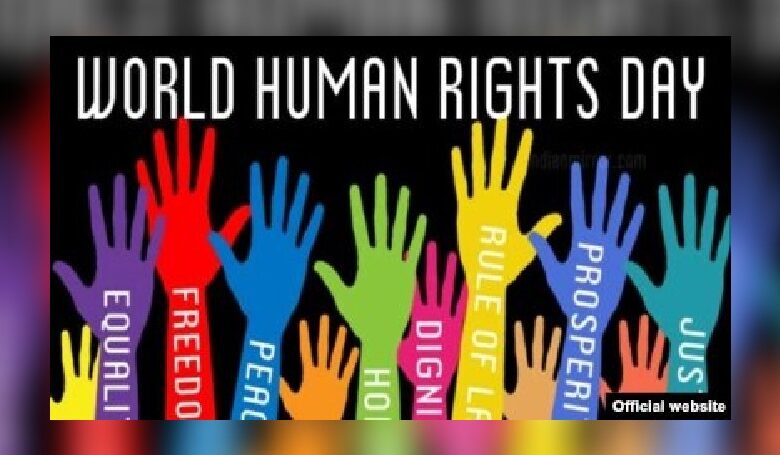
On the anniversary of the Universal Declaration of Human Rights, which represents a global promise, these rights have been forgotten in Iran, and Iranian minorities continue to face pressure, discrimination, and threats.
The world once again commemorated International Human Rights Day yesterday and today (December 10-11); a day that marks the adoption of the Universal Declaration of Human Rights on December 10, 1948; a document intended to be the foundation of human dignity, freedom of thought, conscience, religion, equality, and security. However, for millions of people, this day is merely a bitter reminder: that many of these rights are still not accessible to them. In Iran, this reality is more evident than in many other places.
Iran, as a signatory to the Universal Declaration of Human Rights, in practice widely violates many of its principles. Last year, reports from international organizations including Amnesty International and Human Rights Watch showed that the Iranian government systematically restricts freedom of speech, freedom of assembly, the right to fair trial, and religious freedom.
The most serious violations of human rights in Iran include: “arbitrary detention of civil activists, journalists, and artists, violent responses to public protests, violations of women’s rights and imposition of severe restrictions, systematic discrimination against religious minorities, severe sentences against Christian, Bahai, Sunni citizens and other groups, widespread and unjust executions, pressure on families of protest victims.” These are precisely the abuses that the Universal Declaration of Human Rights was drafted to prevent.
For Iranian Christian citizens, International Human Rights Day reminds them of the vast gap between “global promises and domestic reality.” In recent years, the persecution of Christians has intensified, and the following cases have been repeatedly reported:
- Detention of Christian citizens on vague charges such as “acting against national security”
- Raids on homes and house churches
- Prison sentences for purely religious activities
- Deprivation of civil rights and security pressure on families
- Discriminatory treatment in workplaces, educational settings, and social environments
These actions are not only incompatible with human rights principles, but directly violate Article 18 of the Universal Declaration of Human Rights, which states: “Everyone has the right to freedom of thought, conscience and religion.”
From a Christian perspective, human dignity is a divine gift, not a government privilege. Every person, as God’s creation, has the right to think freely, to believe, and to follow their conscience. For this reason, Christians worldwide have always advocated for respect for human rights.
However, in Iran, Christian citizens are targeted for harassment, detention, and pressure because of their faith; something that not only violates human rights but also constitutes an affront to the divine dignity of humanity.
Despite widespread violations of human rights in many countries, including Iran, International Human Rights Day reminds us of three important necessities:
- Reminding us that human rights are non-negotiable
- Pressuring governments to respect freedoms and human dignity
- Global support for victims of persecution and discrimination
At a time when many Iranian people are fighting for their most basic human rights, this day is an opportunity to highlight their suffering and demand accountability.
International Human Rights Day in Iran is more like mourning lost rights than celebration. As long as the Islamic Republic continues to oppress its citizens (including Christian citizens who are persecuted solely for their faith), human rights slogans will have no meaning in the country.
Nevertheless, a light of hope remains: “The voices of victims, the resistance of civil society, and global support for freedom and justice continue to keep alive the truth that human rights, though suppressed, will not be forgotten.”