White House Issues New Executive Order to Evaluate Muslim Brotherhood Branches as Terrorist Organization
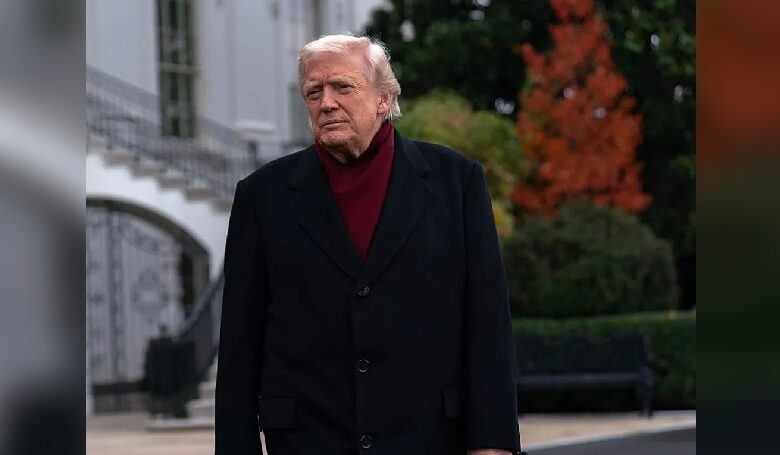
The White House announced in its latest security measure that a new executive order has been issued to evaluate branches of the Muslim Brotherhood as a foreign terrorist organization.
The White House announced that “Donald Trump,” the President of the United States, signed a new executive order on Monday, November 24, based on which the U.S. government will begin an official evaluation of some branches of the Muslim Brotherhood for inclusion on the “Foreign Terrorist Organizations” list. This measure has been described as part of the Trump administration’s security policies to counter radical Islamist movements in the Middle East. Additionally, this order could lead to broader sanctions and restrictions.
According to the White House: “President Trump is confronting the international Muslim Brotherhood network that fuels terrorism and destabilizing campaigns against American interests and allies in the Middle East.”
According to official sources, branches of this movement in countries such as Lebanon, Egypt, and Jordan are expected to be reviewed in the initial phase. This order also requires Foreign Secretary and Treasury Secretary “Marco Rubio and Scott Bessent” to determine which branches should formally be recognized as “Foreign Terrorist Organizations.”
Listing these groups on such a list would enable the U.S. government to impose new sanctions against these organizations and possess broader tools to counter their financial resources. Trump had previously stated in his remarks that he intended to take explicit action against the Muslim Brotherhood; an action that, according to reports, has been raised under pressure from some right-wing activists including “Laura Loomer.”
The Muslim Brotherhood, which was formed in Egypt in 1928, has over decades created an extensive network throughout the Middle East and has been active in countries such as Jordan, Lebanon, and Egypt. This group has long faced serious criticism from regional governments as well as security analysts.
Jordan declared the Muslim Brotherhood’s activities banned in early 2024 after the movement was accused of planning attacks; a measure that reflects the increasing sensitivity of regional governments toward the activities of this network.
The U.S. President’s executive order was issued following an event that drew significant attention in Texas; where “Greg Abbott,” the governor of that state, called the Muslim Brotherhood a “Foreign Terrorist Organization” and asked the federal government to take a stricter approach against this group.
This action by the Trump administration could mark a new chapter in American policy toward influential Islamist movements in the Middle East, a development that will undoubtedly bring new reactions from regional governments and security analysts.