Import of 2,000 Tons of Sodium Perchlorate; ‘Iran is Rapidly Rebuilding Its Missile Program’
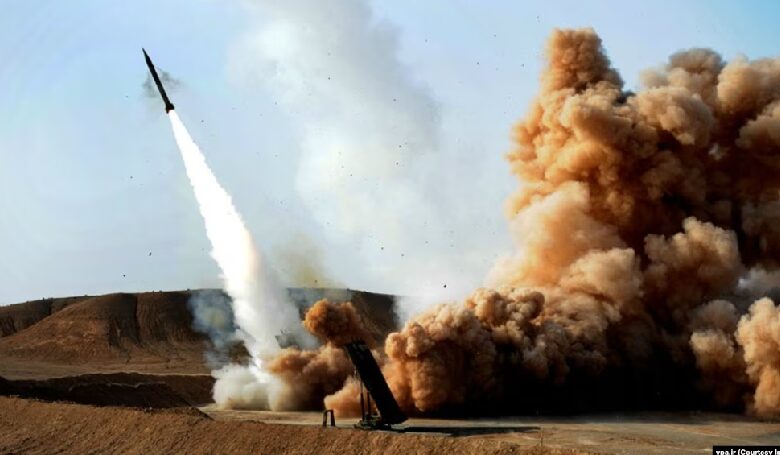
The television network “CNN” reported on Wednesday, October 29, that Iran, despite the reimposition of United Nations sanctions in September that ban weapons sales to Tehran and its ballistic missile activities, is rapidly rebuilding this program.
The network reported, citing European intelligence sources, that since the activation of the “snapback mechanism” and the return of UN sanctions on September 26, several shipments of sodium perchlorate, the primary material for producing solid fuel for Iran’s medium-range missiles, have arrived from China to the Port of Bandar Abbas.
These sources say the shipments, which arrived on September 29, contain 2,000 tons of sodium perchlorate that Iran purchased from Chinese suppliers following its 12-day conflict with Israel in May and June.
According to CNN, these purchases are believed to be part of Iran’s determined effort to rebuild its depleted missile reserves. Several cargo ships and Chinese entities involved in this transaction are subject to United States sanctions.
The import of these chemical materials comes after three European countries—Britain, France, and Germany—more than a month before the expiration of UN Security Council Resolution 2231 and the end of the snapback mechanism, accused Iran of violating its commitments under the agreement between Tehran and six world powers known as the “JCPOA” and asked the United Nations to reimpose sanctions on Iran.
Iran, together with Russia and China, rejected this action and said they do not recognize it. Beijing and Moscow say this undermines efforts for a “diplomatic settlement of Iran’s nuclear issue.”
Prohibition of Iran’s Missile Program
Under the sanctions that have been reimposed against Tehran, Iran should not carry out any activity related to ballistic missiles capable of carrying nuclear warheads. UN member states must also prevent the provision of materials to Iran that could help develop nuclear weapons delivery systems, which experts say could include ballistic missiles.
Tehran says its nuclear program has been peaceful and has no military objectives. However, three of Iran’s major facilities—Fordow, Natanz, and the Uranium Conversion Facility in Isfahan—were bombed during the 12-day war with Israel and the U.S. attack on the first day of July. Donald Trump, the U.S. president, said these facilities have been “completely and utterly destroyed.”
Under UN sanctions, countries are also obligated to refrain from providing assistance to Iran for weapons manufacturing.
While sodium perchlorate is not specifically mentioned in UN documents as a prohibited material for export to Iran, it is used to produce ammonium perchlorate, which is a listed oxidizer and prohibited in the manufacture of ballistic missiles.
However, experts say that the lack of explicit prohibition of this chemical material in the sanctions may allow China to argue that this substance violates none of the UN prohibitions.
Tracking Ships Carrying Sodium Perchlorate
CNN says it has tracked the voyages of several cargo ships by using ship tracking data and the social media accounts of crew members of cargo ships that intelligence sources have identified as carriers of the latest shipments of sodium perchlorate from Chinese ports to Iran.
According to this report, it appears that many of these ships have made several trips between China and Iran since late April. European intelligence sources say it appears that the crews of these ships have been employed by the Islamic Republic of Iran Shipping Lines, and their regular posts on social media show traces of their stopovers on the journey from China to Iran.
Jeffrey Lewis, director of the East Asia Nuclear Nonproliferation Project at the Middlebury Institute of International Studies, said: “Iran now needs much more sodium perchlorate to replace missiles consumed in the war and increase production.”
He added: I expect large shipments to be sent to Iran, as Tehran seeks to rebuild its weapons stockpiles, just as I expect Israel and the United States to cooperate together to replace spent interceptors and ammunition.
According to Lewis, “two thousand tons of sodium perchlorate is sufficient for approximately 500 missiles. That is a large amount, but Iran before the war intended to produce something around 200 missiles per month, and now must replace all the missiles that Israel has either destroyed or that have been used against it.”
Source: Radio Farda