Widespread Poisoning Affects Half of Inmates at Shiban Prison in Ahvaz
Widespread poisoning of half of the inmates in Shiban Prison in Ahvaz is yet another poorly orchestrated scenario by the Islamic Republic to divert public opinion.
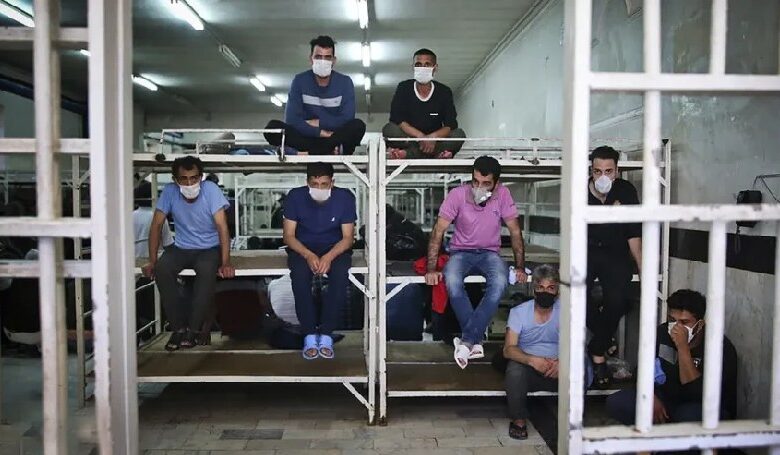
The poisoning crisis at Shiban Prison in Ahvaz has once again unveiled the inhumane conditions and systematic negligence of the Islamic Republic. According to the Karun Human Rights Organization, more than half of the inmates at Ahvaz Central Prison (Shiban) have suffered from food poisoning. Internal sources have confirmed that many inmates are experiencing symptoms such as diarrhea and vomiting.
According to inmates’ statements at the prison, their main diet in recent weeks has been limited to chicken; chickens with unnatural and dark coloring that, according to inmates, “appear to have been sick or even dead beforehand.” This issue has been identified as the primary cause of widespread poisoning among inmates.
Shiban Prison has long been notorious for poor sanitary conditions and substandard food. While over four thousand inmates are held in this facility, there is only one doctor in the prison, one doctor on administrative shift, and one health worker in the medical ward. This severe shortage of medical staff has resulted in delayed and negligent attention to inmates’ conditions.
Previously, inmates had complained about the poor quality of drinking water, food, and medical services; however, recent reports indicate that conditions at Shiban Prison have reached a critical point.
This event is not merely a health crisis in prisons, but rather a reflection of the Islamic Republic’s longstanding policy that, through deliberate crisis-creation, seeks to divert public attention from major societal issues. The use of such poorly orchestrated scenarios not only fails to conceal the government’s responsibilities toward inmates’ human rights, but demonstrates that human rights violations and disregard for human life have become an integral part of the governance mechanism.