Unprecedented Attacks on Christians Plunge Nigeria into Emergency State
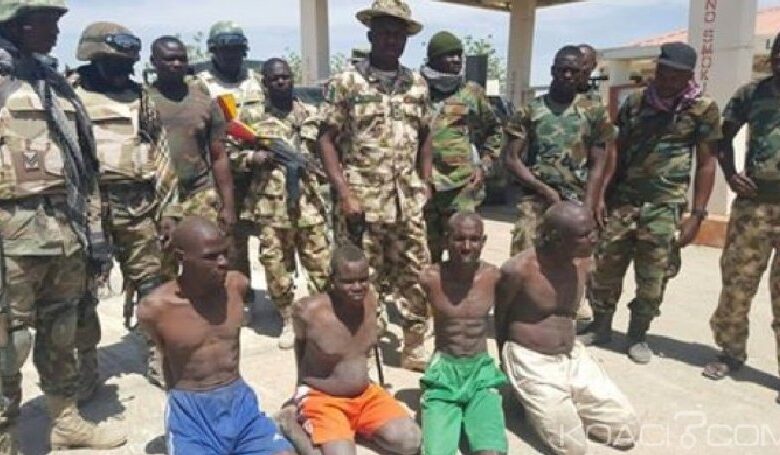
With a sharp increase in kidnappings and attacks against Christians, “Bola Tinubu” declared a state of emergency while ordering the immediate hiring of 20,000 police officers and the clearing of forests by the National Guard.
According to official sources and media reports, “Bola Tinubu,” President of Nigeria, on Wednesday, November 26, 2025, in response to a wave of widespread kidnappings and violent attacks against Christians and schools in the country, declared a national security emergency state.
The Nigerian government was obliged to hire 20,000 new police officers to bring the total number of police forces to 50,000. A measure that has been described not only for restoring security, but for ending a “safe haven for wrongdoing.”
Training camps of the National Youth Service Corps were designated as military and training centers for training new recruits. Security forces and forest guards were tasked with launching extensive operations to clear the hideouts of armed groups and criminal gangs in forests.
Police officers who were previously assigned to protect political figures and VIPs were summoned and transferred to high-risk areas. Tinubu, through the issuance of a statement, emphasized: “There will no longer be any safe haven for perpetrators of wrongdoing.”
In recent weeks, Nigeria has witnessed several critical security crises. In an attack on a Catholic school in Niger State, more than 300 students and staff were taken hostage, which is considered one of the largest mass abductions in the country’s history. Previously, 25 female students were also kidnapped from a boarding school in Kebbi State.
Christians in churches and religious gatherings have also been targeted by attacks; a group of preachers and worshippers were kidnapped after leaving a church. The abduction and violence crisis is linked to sectarian and communal violence. According to reports from organizations such as Open Doors, Nigeria is among countries with the highest statistics of threats to religious freedom.
Some churches and Christian organizations have previously called for urgent action by the Nigerian government with warnings about “systematic targeting” of Christians.
The response to this massive crisis in Nigeria has not been limited to internal measures. U.S. President Donald Trump, claiming an existential threat to Christians in Nigeria, called for severe international measures; an action that has heightened world attention to the situation in the country.
International Christian organizations such as International Christian Concern (ICC) immediately after the kidnapping of school students in Niger State called for “immediate action” for the release of hostages and ensuring the security of churches and schools.
In contrast, the Nigerian government has emphasized that the security crisis is a combination of “terrorism,” “criminal gangs,” and “tribal-ethnic conflicts” rather than a planned religious purge.
Tinubu’s latest decision could have a short-term impact. An increase in police force and focus on forest areas could result in the destruction of gang hideouts and kidnappers. However, security experts have warned that these measures are only part of the solution. Without reforming the judicial structure, combating corruption, careful oversight of new recruits, and serious case follow-up, the risk of a return of attacks will remain high.
Moreover, if the motive and root causes of the crisis, including tribal conflicts, poverty, social instability, and inequality, are not addressed, superficial security may not last.
The declaration of a state of emergency by Nigeria’s president and the order to hire 20,000 new police officers and begin clearing forests is an important step in response to the kidnapping and attacks on the Christian community and schools. This measure could to some extent restore public confidence and provide minimal security.
But the reality is that Nigeria, with a complex history of sectarian violence, tribal conflicts, poverty, and weak governance structures, needs to combine security measures with deep structural reforms, transitional justice, and inter-sectarian dialogue to overcome this crisis. Only then can it be expected that lasting security and peace will be established in Nigeria.