Security Pressures on Pir Falak Family Intensify on Anniversary of Kian’s Death
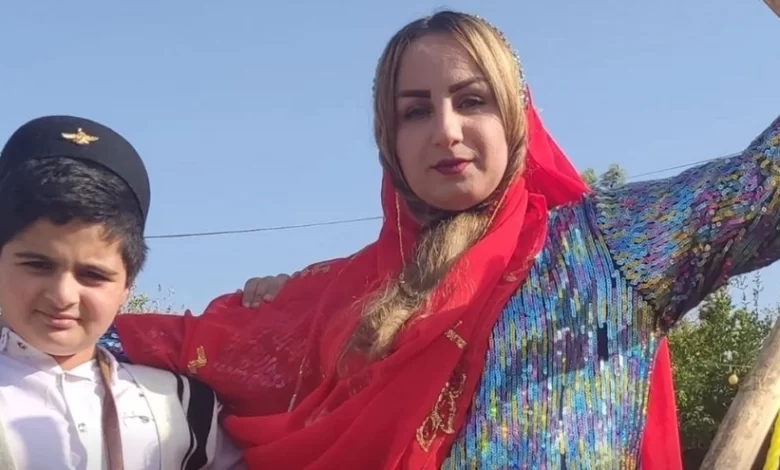
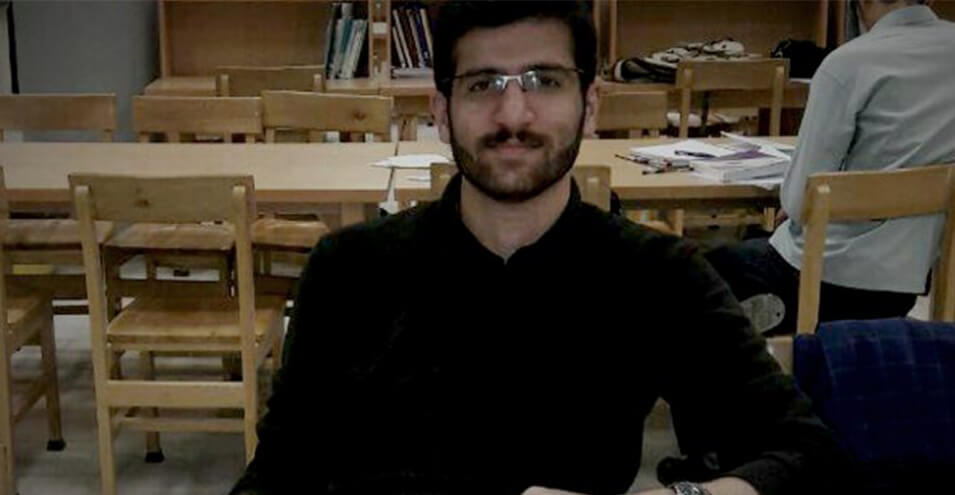
Security pressures have increased on Kian Pir Falak’s family as the anniversary of his death approaches.
Just over a week remains until the first anniversary of Kian Pir Falak’s killing by regime forces, and his family continues to face intense pressure from the Islamic Republic system.
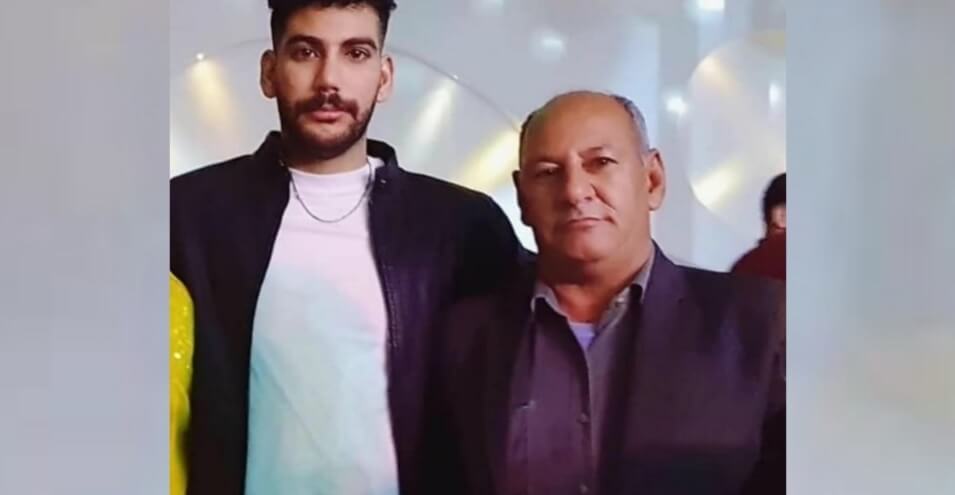
For approximately six months, “Mahnaz Molaei-Rad,” Kian’s mother, has been under forced silence after she publicly identified Ali Khamenei and forces under his command as responsible for her son’s killing. The Molaei-Rad and Pir Falak families have faced intense security pressures since Kian’s death.
Following the death of “Pouya Molaei-Rad,” Mahnaz’s cousin, on the day of Kian’s birthday commemoration, pressures and threats against Mahnaz intensified. According to reports from an informed source, over 50 phone calls and messages were made in just one day to one of Mahnaz’s acquaintances containing threats against the family. Now, as the first anniversary of this family’s child’s death approaches, security pressures and threats to hold commemorative ceremonies have escalated.
Not only the Pir Falak and Molaei-Rad families, but families of those killed in the 1401 protests have recently faced pressure from security institutions, including summons, threats, and detention. Regarding the pressures exerted by the Islamic Republic system on families of nationwide victims since last year, Amnesty International warned that Iranian authorities have intensified harassment of families of those unlawfully killed by Iranian security forces during the “Woman, Life, Freedom” movement last year.
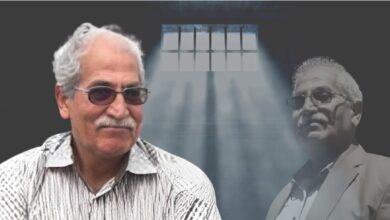
According to “Musa Barzin-Khalife-Lou,” a human rights lawyer and attorney, one reason for pressuring justice-seeking families is their informing the public about their loved ones’ deaths. First, it should be examined whether publicizing these incidents has legal restrictions.
Mr. Khalife-Lou on information laws states: “There is no legal prohibition in the laws preventing someone from speaking with media, even media that are 100 percent opposed to the government and are based abroad or affiliated with other governments.
Furthermore, in the laws of the Islamic Republic of Iran, speaking about a criminal event is not criminalized unless the speech concerns classified information and documents. For example, someone who reveals a state secret that falls within national security and is classified information.
Mahnaz Molaei-Rad did not disclose classified documents; rather, she seeks justice for her son’s blood that was unjustly spilled. The government itself acknowledges such a tragedy occurred, but blames others. Mahnaz speaks about what happened to Kian, which is factual, and there is no legal restriction on this.”
Musa Barzin-Khalife-Lou, as a human rights lawyer, advised justice-seeking families to never stop their awareness campaigns and to continue, to the best of their ability, seeking justice and publicizing information about their loved ones and the threats they face from the government, and not to sever contact with media, as this is the only way the pursuit of justice continues.
Mr. Barzin emphasized that contrary to what the Iranian government claims—that it does not heed human rights organizations—it is actually deeply afraid of them, adding: “The Iranian government fears these incidents and statements being publicized in media and international forums, which is why they intimidate justice-seeking families. In any case, Iran has international obligations, and it does incur certain costs for not meeting those obligations.”