“Sword at the Brink of Descent”: The Threat of American Intervention in Iran and the Fragile Balance Between War or Protest
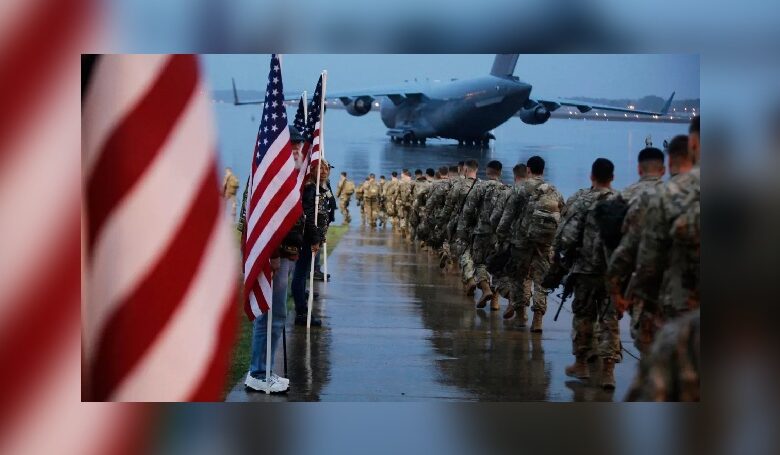
A sword at the brink of descent and the threat of American intervention in Iran and comprehensive tension-escalation could lead to a war that goes beyond protests.
A series of credible international reports, including from Reuters, indicate the possibility of direct military intervention by the United States in Iran; an intervention that Washington leaders may begin within the next 24 hours, although its timing and scope remain unclear.
One European official stated: “American military action in Iran appears very likely” and in initial analyses, this speculation has been presented in operational terms, which has been unprecedented in recent months.
Meanwhile, an Israeli official also said: “It appears Trump has made a relative decision to intervene, but the timing and scope remain unclear, an issue that is fueling tensions in the region.”
These developments are occurring as other reports indicate that several American forces at Al Udeid Air Base in Qatar have been asked to leave the base, although this withdrawal is not extensive and is more viewed as a “change of military status” than a complete withdrawal.
This collection of news occurs within the context of Iran’s internal crisis. Nationwide protests, which are now entering their third week, have resulted in at least 2,571 documented deaths according to human rights groups’ reports (with many more deaths whose identification has not yet been confirmed not included in this count) and over 18,000 arrests. Statistics that indicate severe government crackdowns and simultaneously have prompted direct warnings from Trump, telling the Iranian people that “help is on the way” and cautioning against ruthless violence against protesters.
Alongside military threats, other scenarios are also under consideration: from aggressive cyber attacks on infrastructure to limited targeted military actions, aimed at pressuring the Iranian government rather than all-out war, analyses highlighted by Western media outlets as well.
Earlier reports have also been published showing that America is examining a kind of targeted intervention to support Iran’s protest movement, an action that would not necessarily lead to widespread aggression, but rather focuses on assisting the internal movement to increase pressure on the government.
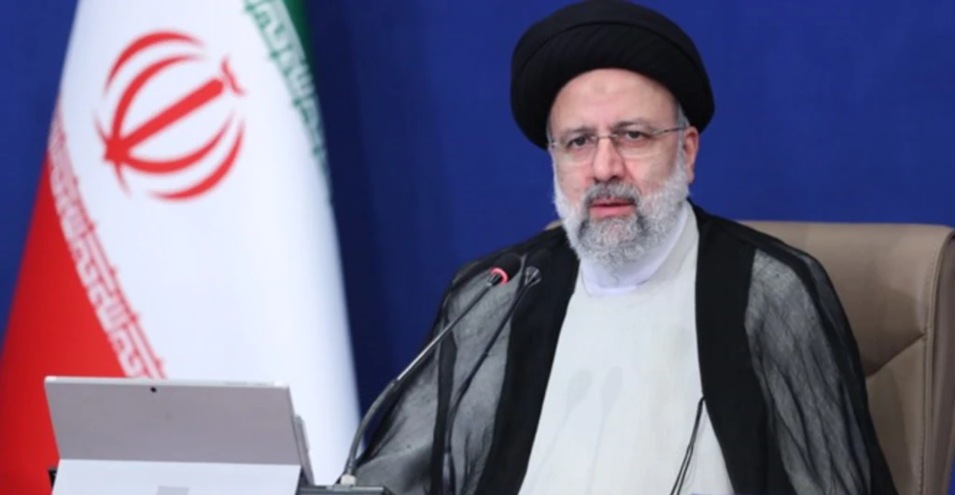
Simultaneously, the Islamic Republic’s official responses have been sharp and accompanied by mutual threats: Iranian officials have warned that in case of an American attack, American and Israeli bases in the region will be legitimate targets, statements that would transform the crisis from a domestic protest into a potential threat of regional conflict.
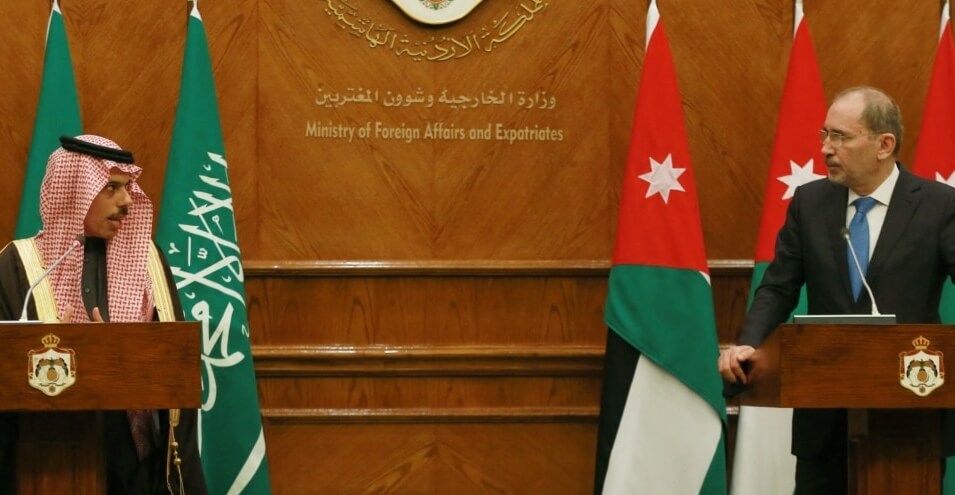
At the regional level, neighboring countries and key actors such as Qatar, Turkey, and Saudi Arabia are moving cautiously, from attempting mediation and de-escalation to widespread preparedness to prevent the spread of war.
Ultimately, what we are witnessing today in Iran and the region is not a simple diplomatic dispute, but the intersection of internal crisis, bloody protests, international pressures, and the possibility of direct American military intervention, a situation that could reshape the region’s path for years to come.