Continued Seasonal Rainfall in Iran; Warning about Sewage Overflow into Water Supply Network
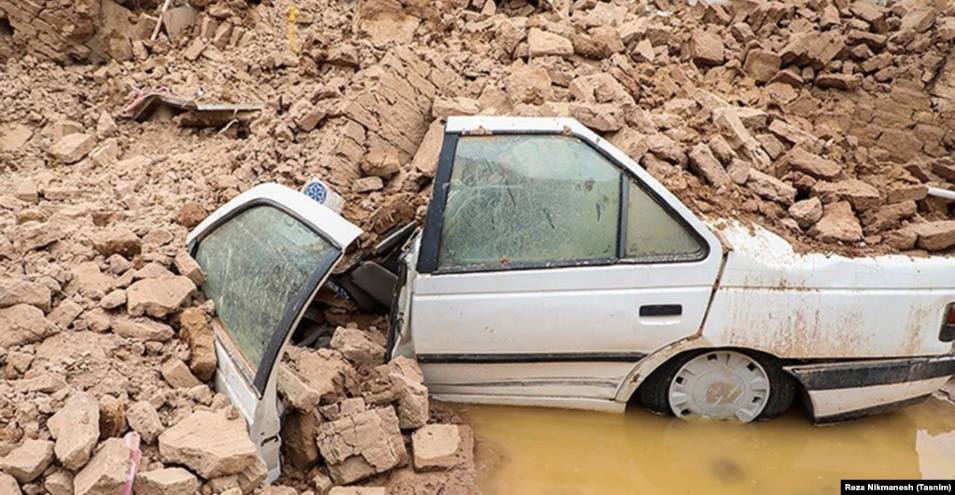
Following the flooding of numerous regions across Iran over the past several days, Sadegh Ziaian, head of the National Center for Weather Hazard Prediction, reported the continuation of seasonal weather system activity in 10 provinces on Monday, August 1st.
Mr. Ziaian told the ISNA news agency about the activity of the seasonal weather system in some areas of Fars, Bushehr, Hormozgan, Kerman, southern Sistan and Baluchestan, Khuzestan, Chaharmahal and Bakhtiari, Kohgiluyeh and Boyer-Ahmad, western Yazd, and west and south Isfahan provinces.
Simultaneously, according to meteorological officials, over the next five days, strong winds with dust storms will continue in the eastern strip of the country, particularly in the Zabol region. From today until Friday, the eastern Gulf of Oman will also be rough.
Coinciding with the gradual decline of devastating rainfall, some officials have warned about the economic and health consequences of this natural event. Among them, Mohsen Farhadi, deputy head of the Health Center at the Ministry of Health, on Monday, August 1st, warned about drinking water contamination in flood-affected areas by pointing out the damage to water supply networks in flooded areas and the possibility of sewage well overflow into these networks.
Mr. Farhadi further advised citizens in flood-affected areas to use “drinking water from reliable sources” and to refrain from consuming water if they observe “turbidity” in it.
One of the health consequences of flooding is the accumulation of dead animal and livestock carcasses. No accurate national statistics have been released so far, but Abbas Papizadeh, head of Iran’s Nomadic Affairs Organization, announced on August 9th that according to preliminary estimates, more than 7,000 head of nomadic livestock have been lost.
The head of the Agricultural Organization of northern Kerman province had also previously announced based on preliminary estimates that at least 5,700 head of livestock have been lost in that province.
Given the possibility of continued devastating rainfall in some parts of Iran in the coming hours and days and the continuation of relief operations in these areas, it is difficult to announce a final estimate of damages to various sectors. However, the minister of agriculture announced the estimated damage in this sector as approximately 10 trillion tomans by Sunday, August 9th.
The director general of crisis management at the Road and Urban Land Transportation Organization also announced on Monday, August 1st, that preliminary estimates indicate 800 billion tomans in damage to roads and technical structures across the country to date.
Meanwhile, as the death toll from flooding in Iran continues to rise, the governor of Tehran announced that by Monday, August 1st, 43 of the total flood deaths belonged to this province.
According to ILNA news agency, Mohsen Mansouri, the governor of Tehran, referring to the possible increase in the death toll from flooding in Tehran province, said that out of the total figures obtained, 15 people in Firouzkouh, 22 people in Emamzadeh Davoud, one person in Damavand, one person in Shemiranat, and four people in Pardis have lost their lives, and so far three people are missing.
Nejad Jahani, deputy head of the National Crisis Management Organization, announced on Sunday, August 9th, the latest national statistics of flood deaths as 69 people and the number of missing as 45 people.
However, based on the discovery of new bodies, including one person in Garmsar in recent hours, it can be predicted that the death toll will increase in the coming hours and days.
Source: Radio Farda