Normalizing Pain Tolerance for People; A New Strategy of the System
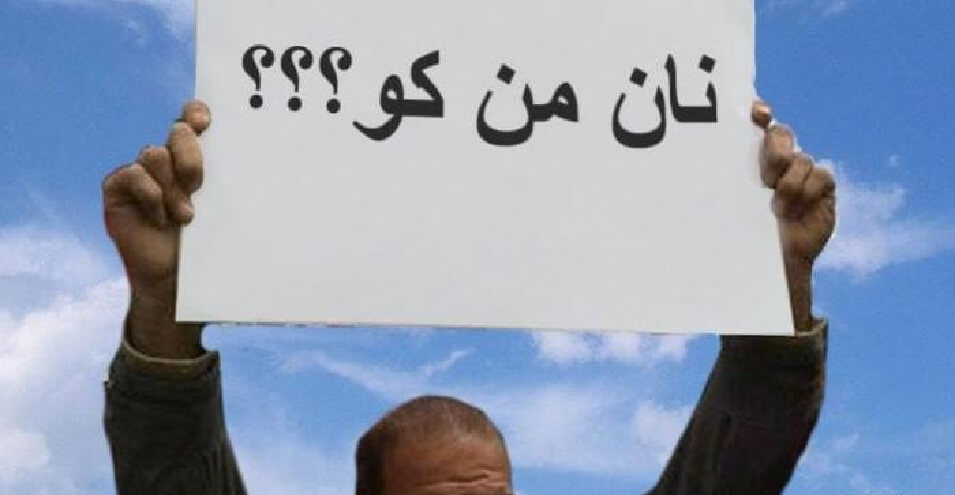
Despite recent widespread protests and openly structural-breaking slogans, the Islamic Republic appears indifferent. According to Ali Afshari, a political analyst, the system’s new strategy is to accustom people to enduring hardship caused by insurmountable economic problems.
The remarks of Seyyed Ali Khamenei in a meeting with the organizers of the “Martyrs of the Tribes” congress opened a window into the system’s strategy for preserving and consolidating the current political situation. The leadership of the Islamic Republic of Iran warned officials and system forces that “the enemy, through deadlock tactics, seeks to weaken people’s hope and religious faith”.
In continuing past efforts and disregarding the existing bitter realities, he seeks to maintain at least a degree of optimism about the future within the system’s social base. Of course, his work is not just “explanatory jihad,” but also employs warnings and threats. The public apology by the head of state broadcasting should be understood within this framework. Nouri Hamadani, who had recently criticized indifference to people’s economic problems, after Khamenei’s remarks, while emphasizing that “the system must remain,” spoke of the necessity of optimism about the future.
System officials and political and social figures supporting it have realized that the cost of the leadership’s dissatisfaction with their actions has become relatively higher than before. Everyone must comply with his illusory approaches, which are in complete disconnect from the realities and facts of the world, and convince people that the emperor is not naked!
Decoding Khamenei’s new remarks and noting the probable connection to the detention of some forces who were previously officers in the “soft war with the enemy,” this hypothesis gains strength: that the hard core of power, insisting on a police atmosphere and keeping the political sphere closed, is not even receptive to criticisms from principalists about the weakness of Raisi’s government and the eleventh parliament.
The system’s leadership imagines that through political and propaganda support, it can manage the growing wave of despair about the thirteenth government’s performance and the practical negation of its imaginary promises. Monitoring developments shows that the system’s threshold for tolerating protest and criticism of senior officials supported by Khamenei, even for insiders, has decreased.
The institution of Velayat-e Faqih continues, relying on the use of coercive force and security measures, to advance the program of monolithic rule in state institutions and silence the discontented. The success of this strategy, given the expansion of dissatisfaction among the system’s social base to those who claimed “revolutionary and jihadi management,” is seriously questionable. However, the system’s main challenge is not the inability to contain fissures and divergences in the power bloc, but rather the growth of street protests and activism among various segments of society that are exhausted by the severity of various problems, primarily the intensification of the country’s economic hardship.
What seems strange amid the palpable expansion of anger, disgust, and desperation in Iranian society is the system’s, particularly intelligence and security institutions’, peace of mind that they have no concern or worry about the increase in street protests and the decrease in people’s resilience. This high confidence could stem from miscalculation, but it also simultaneously indicates a belief in the power of suppression and containment of protests in the future.
Examining Raisi’s government program and pinning hope on the failed shock therapy policy under the guise of “economic surgery” makes clear that the ruling principalists are pleased with making suffering permanent and normalizing pain tolerance by people. Those who criticized the previous government for ignoring people’s economic demands and made many grand promises now think that after taking complete control of power, through deception, rhetoric, and blaming the American government as the main source of problems, they can defer solving problems to an uncertain future. The natural result of this approach is the normalization of pain and suffering tolerance by people.
Mehdi Taeb, a member of the “Emaar Command,” recently stated that if people endure eight months of pain and suffering and refrain from seeking short-term palliative solutions, such as a preferential exchange rate of 4,200 tomans, their situation will improve! He provides no explanation as to how and under what circumstances problems will be resolved after eight months of hardship! The current outlook, from the perspective of the realities governing the country’s economy, not only shows no signs of improvement in business activity and inflation control, but indicates the intensification of economic problems and the expansion of the population below the poverty line.
In fact, the practical translation of Taeb’s remarks, which reflects the main perspective of the regime, is accustoming people, especially vulnerable sectors, to a new wave of unbridled price increases. The Raisi government is pursuing practical and undeclared economic austerity through cutting public services, reducing state support for deprived people, and increasing taxes. Iranian society has not yet shown a widespread and serious reaction to the shock of new price increases and despair about the future; a matter that has led to a miscalculation by the power bloc.
The risk of the system’s current economic and security policies, given the staggering and irreparable expansion of systematic economic corruption, is at such a high level that it can at any moment turn into riots and large-scale social and nationwide uprisings. The use of the old weapon of suppression and patronage in the shadow of the growth of plunder by mafia gangs, although it may temporarily respond, the system’s growing addiction to these weapons, given the intensification of mega-challenges and multiple crises, and people who become angrier every day due to the main officials’ disregard for their economic problems, deepens and expands the explosive situation in society even further. Even if such an event does not occur or is suppressed, the foreseeable future for Iran is walking the path of “Venezuelaization.”
Therefore, the system, with an illusory notion of normalizing pain tolerance by the majority of people, has placed the country’s future in an unpredictable situation. The primary center of this risky decision is the “Office of the Leader,” which, proud of past successes in temporarily overcoming challenges, sees its capabilities as inflated in a world disconnected from reality and shows obstinacy against any change whatsoever.
Source: DW