Flight 752: Canada Seeks to Change International Rules Governing Aviation Accident Investigations
Against the backdrop of discussions and disputes over how to handle the case of the Ukrainian aircraft downing in Iran, Canada intends to call for changes to international rules governing aviation accident investigations at an international meeting.
Canada intends to call for changes to international rules governing aviation accident investigations, such as the downing of Ukraine International Airlines flight PS 752 in the winter of 1398 (2019-2020), at a meeting on aviation safety. According to Reuters, citing an informed source in the Canadian government, this meeting is scheduled to be held virtually on Tuesday.
Omar Alghabra, Canada’s Minister of Transport, is scheduled to call for amendments to the rules at the “Safer Skies” conference in cases where the investigating country itself was responsible for or played a role in the aircraft’s crash.
This virtual conference, organized by Canada’s Department of Transport and the “Safer Skies Advisory Committee,” brings together international representatives and the civilian aviation industry, including representatives of the International Air Transport Association, to reduce the risk of aviation accidents in the airspace of regions experiencing tension and conflict.
Canada’s Transportation Safety Board (TSB), an independent agency, first called for changes to these rules in 2021. While acknowledging the positive role of these rules, known as “Annex 13” in the aviation industry, the agency stated that the downing of Ukraine International Airlines flight 752 revealed the limitations of these rules.
The Transportation Safety Board of Canada emphasized that Iran, under these same set of rules, retained complete control of all investigations into the downing of Ukraine International Airlines flight 752, which resulted in the deaths of 176 people, despite it being established that the Islamic Revolutionary Guard Corps played a role in the shootdown.
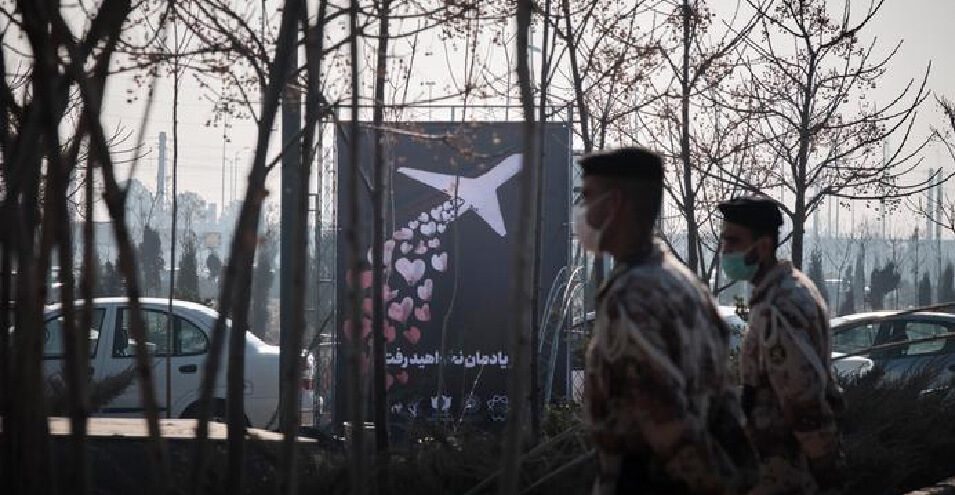
On December 9, 2019, the Ukrainian passenger aircraft was struck by two missiles from the air defense system of the Revolutionary Guard Corps’ aerospace force shortly after takeoff from Tehran Airport and was shot down.
Iran, which denied firing at the aircraft for the first three days after the accident, later acknowledged after evidence and reports of a missile strike were released, stating that the Revolutionary Guard had mistaken the aircraft for a cruise missile and fired at it.
Despite having placed the Revolutionary Guard Corps on high alert at that time, Iran did not cancel commercial flights; an action that some refer to as providing a “human shield” to prevent possible retaliatory attacks by the United States.
Source: DW