Ten Iranians Arrested in Panama with Forged Documents from Venezuela
Panama announced that it has arrested 10 Iranian citizens who attempted to enter the country from Venezuela using forged documents. These individuals, who were carrying fake German residence cards, were sent back to their country of origin.
Panama’s National Immigration Authority announced on Sunday, February 13 (Bahman 25) that it has arrested 10 Iranian citizens.
Panama’s authorities say these individuals, who attempted to enter Panama with forged documents, have been sent back to their country of origin.
In the statement by Panama’s authorities, it was not specified whether the country of origin referred to was Venezuela or Iran.
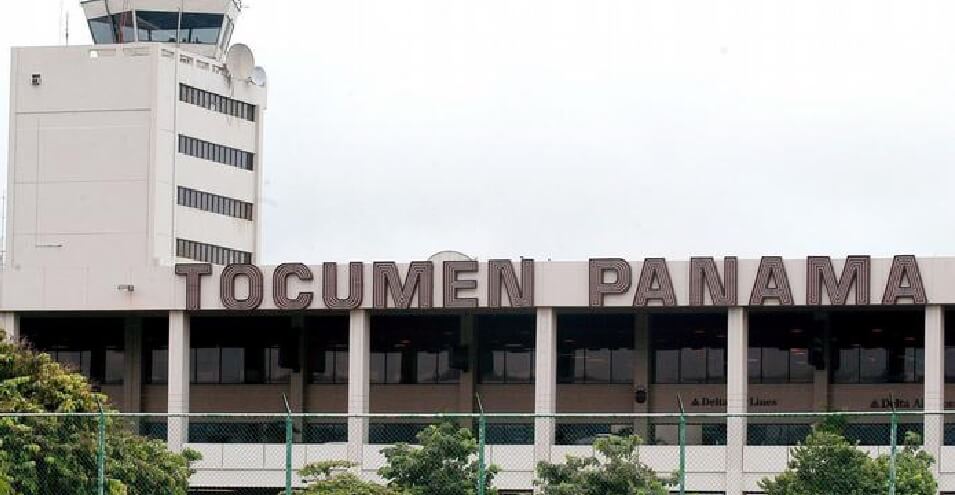
These 10 Iranian citizens had entered Tocumen International Airport and were carrying fake German residence cards.
It is reported that these individuals intended to continue their journey to Punta Cana in the Dominican Republic and were on a flight that had departed from Caracas, the capital of Venezuela.
Panama’s authorities also stated that although it was confirmed that the German residence cards presented by these Iranian nationals were forged, they were able to leave Caracas without any problems.
Since 2015, numerous reports have been published indicating that Nicolás Maduro’s government has been producing and providing forged passports for Iranian citizens, most of which are Venezuelan passports.
The Canadian government was forced in 2015 to completely ban entry from Venezuela due to an influx of people with Venezuelan passports. However, these individuals were not Venezuelan citizens, but were predominantly of Iranian, Syrian, and Lebanese nationality.
Raisi’s Government Seeks to Expand Relations with Venezuela
According to other reports, Iran’s ambassador to Venezuela considered expanding commercial relations with Latin American countries, particularly Venezuela, as an opportunity for Ibrahim Raisi’s government.
According to IRNA news agency, Hojjat-Allah Soltani, Iran’s ambassador to Venezuela, emphasizing that certainly expanding exports of Iranian products and manufactures to European countries is more difficult than exporting to Latin America, said: “Iranian products and manufactures have a stronger market in Latin America, Central Asia, and Southeast Asia.”
Soltani, referring to the transportation infrastructure created between Iran and Venezuela, stressed: “Currently, the Tehran-Caracas flight route is established, though this route is currently non-commercial and operates once a week.
According to him, the CEO of Venezuela’s national airline will be sent to Iran before March 21, and Venezuela is seeking to establish regular flights between Iran and Venezuela.
He also said that visa exemption between Iran and Venezuela has been implemented and “those interested and travelers wishing to travel to Venezuela do not need a visa and can travel to Venezuela whenever they wish.”
Soltani, referring to Venezuela’s shift in policies from socialism to free market economy, said that today Venezuela’s government is pursuing a free market economy and the multi-rate system has been removed and a single-rate system is in place.
Iran’s ambassador to Venezuela added, “Currently, all Venezuelan banks are connected to SWIFT and there are no sanctions against them.”
Soltani said that currently goods such as wood, petroleum coke, and iron scrap have good buyers in Venezuela and we can utilize this market to increase foreign currency revenues.
Source: DW