Wall Street Journal: Saudi Arabia Forced Yemen’s President to Resign
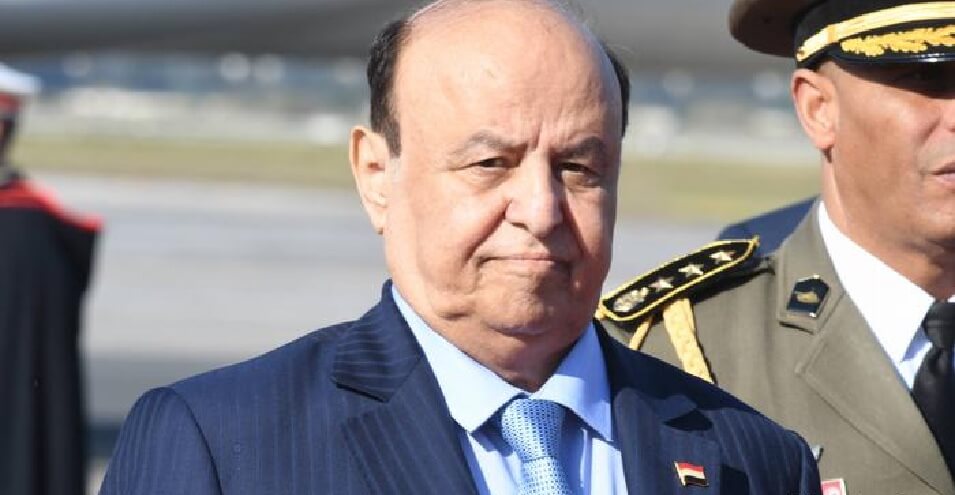
The Wall Street Journal, citing Saudi and Yemeni officials, reports that Abdrabbuh Mansur Hadi, Yemen’s president, was forced to step down under pressure from Saudi Arabia. According to the newspaper, Hadi is now under house arrest in his home in Riyadh.
The American newspaper Wall Street Journal reported that Saudi Arabia pressured Abdrabbuh Mansur Hadi, Yemen’s president, to resign in early April of this year.
In the report published on Sunday, April 17 (Farvardin 28), it stated that Saudi officials have placed Hadi under house arrest in his home in Riyadh and have restricted his communications.
Hadi announced on April 7 that he had resigned and transferred his duties to a new Yemeni leadership council in a fragile ceasefire in his country.
The ceasefire, which was mediated by the United Nations and began with the start of Ramadan between forces of Hadi’s internationally recognized government and Houthi militias, has raised hopes of ending Yemen’s years-long civil war.
The Wall Street Journal, citing unnamed Yemeni and Saudi officials, reported that Mohammed bin Salman, Saudi Arabia’s Crown Prince, demanded in a written order that Yemen’s president transfer power to a council consisting of eight representatives from various Yemeni factions.
These officials said that some Saudi officials threatened to release documents about what they called “Hadi’s corruption” if he did not comply.
A Saudi official stated that since leaving his position, Hadi has been under house arrest in his home in Riyadh and has been deprived of access to a telephone.
However, another Saudi official said that Hadi was encouraged to resign because various Yemeni factions have lost confidence in his ability to lead this Middle Eastern country.
Saudi Arabia welcomed Hadi’s resignation and promised the war-torn neighbor three billion dollars in aid.
For seven years, Hadi’s government, recognized by the international community, has been in conflict with Houthi militias backed by the Islamic Republic. Although since 2015 a Saudi-led coalition has provided military support to Hadi’s government, the Houthis still control Sanaa and much of the country’s north.
After the fall of Sanaa and the Houthis’ advance toward the southern port of Aden, Hadi fled to Saudi Arabia and settled there.
Yemen’s civil war has directly and indirectly caused the deaths of hundreds of thousands of people and has brought the country to a situation that the United Nations calls the world’s worst humanitarian crisis.
The transfer of power to the leadership council in Yemen took place following negotiations in Riyadh that included anti-Houthi factions. The Houthis boycotted and said they are not willing to participate in negotiations held in the territory of their “enemy.”
The Houthis called Hadi’s resignation “a desperate attempt to reorganize the ranks of mercenaries” involved in Yemen’s war and said that peace will only be achieved when foreign forces leave Yemen.
Source: DW