Rise of ‘Inadequate Housing’ in Iran and Emergence of ‘Rubble-Sleeping’ Phenomenon in Isfahan
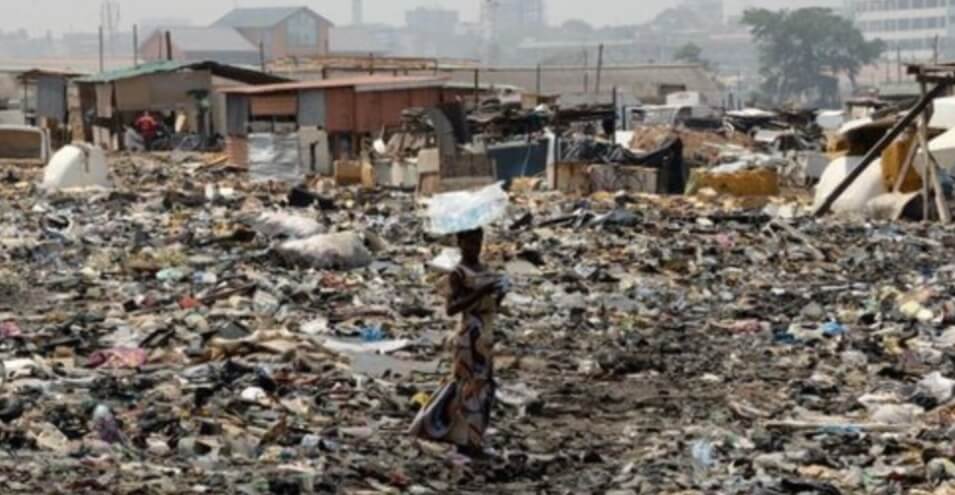
With the intensification of financial crises and economic disorder in Iran, phenomena such as grave-sleeping, cardboard-sleeping, and bus-sleeping have become increasingly prevalent; phenomena that, simultaneously with denial or neglect, have extended beyond cases like “cardboard-sleeping” to problems such as “rubble-sleeping.”
In recent days, videos and images have been shared on social networks showing some citizens, individually or with their families, settling near construction debris storage sites or urban waste areas and living in unsanitary and unsafe conditions.
Hossein Yazdi, editor-in-chief and owner of the Mobin24 news agency, wrote about the “rubble-sleeping” phenomenon in the Boulevard Shafaq area of Isfahan city: “The emergence of this phenomenon in Isfahan is deeply saddening, because the people of Isfahan and the charities of this city are watchful to prevent such occurrences, but the burden of inflation has become so severe that today we are witnessing it in Isfahan as well.”
These days, the “burden of inflation” has become so great that some citizens are forced to rent shelters such as rooftops of houses, travel tents, or sleep in worn-out vehicles in order to reduce some of the heavy costs of living for themselves or their families.
Abbas Akhundi, Minister of Roads and Urban Development in Hassan Rouhani’s government, in March 2017, using the term “inadequately housed” for those lacking proper, safe, or secure shelter, announced the population of such people in marginal and dilapidated areas of Iran to be 19 million, stating: “Even five percent of them (less than 950,000 people) have not been transferred to Mehr Housing.”
With rising house prices, astronomical rent increases, and rapid inflation in society, securing shelter and “a place to sleep” has become a serious concern for many middle and low-income segments of Iran’s population in recent days, to the extent that even some families who previously lived in rented homes have now turned to “shared house rental in Tehran” and multiple families living in a single residential unit.
Ali Chegni, Secretary General of the Office of Housing Planning and Economics at the Ministry of Roads and Urban Development, also said to IRNA news agency in April 2019: “Although some housing indicators show a growth trend, approximately one-third of the country’s urban population faces the phenomenon of ‘inadequate housing’ and live in unsuitable shelters, in dilapidated neighborhoods, on the outskirts of cities, and in informal settlements.”