Raisi: The Sudden Increase in Gasoline Prices in 1398 Was the Government’s Decision
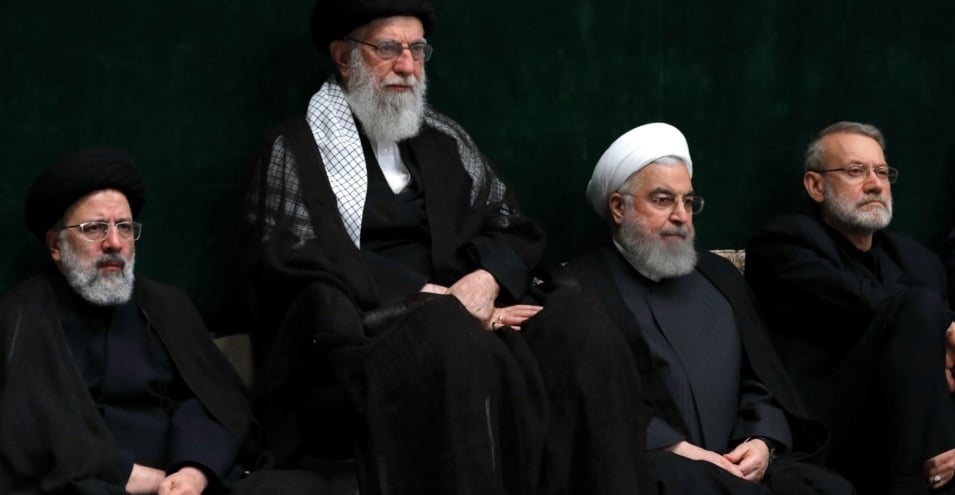
While the government and the leader of the Islamic Republic have announced the decision to suddenly increase gasoline prices in 1398 as a decision by the “heads of the three branches,” Ibrahim Raisi, head of the judiciary and candidate in the 1400 presidential election, says the government itself made this decision.
Following a significant and sudden increase in gasoline prices in November 1398, nationwide protests broke out in the country, and protesters with their slogans targeted the entire system.
These protests were immediately met with widespread suppression by security forces, and according to Reuters reports, approximately 1,500 protesters were killed by gunfire, although the government never announced precise casualty figures from the crackdown.
Thousands were also arrested in these protests.
Ibrahim Raisi, on Wednesday, 19 Khordad, in response to a question about this matter in front of a gathering of students, said that energy price adjustment and the increase in gasoline prices were based on laws passed by parliament “which should have been implemented on a gradual slope, but the government did not implement this law for five years.”
According to ISNA news agency, he further claimed: “When this plan came to the session of the coordination council of the heads of the three branches, I objected and questioned three times why it was brought up in this session, and they said this matter was approved in the government and here it is only being presented for information and coordination.”
His remarks come as Ayatollah Khamenei himself announced on November 26, 1398, that the increase in gasoline prices was a decision made by the heads of the three branches.
Officials of Hassan Rouhani’s government have also repeatedly stated that this decision was made with the approval of the Supreme Coordination Council of the Three Branches.
This council began operating in June 1397 by order of Ayatollah Khamenei, the leader of the Islamic Republic, and operates under his supervision.
On Wednesday, Ibrahim Raisi claimed that in the session of the heads of the three branches, the issue came up that the law states the revenue from the increase in gasoline prices should be spent on production, “but the government wanted to give it directly to the people, and only this matter was approved in the session of the heads of the three branches, which also received the approval of the supreme leader.”
Hassan Rouhani on Wednesday morning, in response to the remarks of candidates in the electoral debates, while defending the eight-year performance of his government, accused critics of presenting “false” statistics and purely propagandistic statements about women, youth, and ethnic groups.
Source: Radio Farda