Reactions to New Gasoline Rationing Plan; 20 Liters per National ID
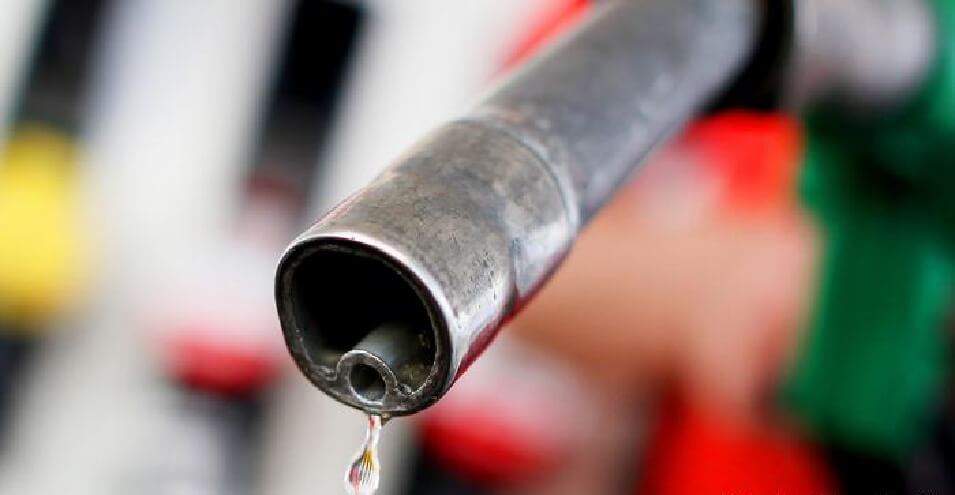
The head of Kish Free Zone says that under the “Gasoline for All” plan, every national ID holder is entitled to 20 liters of gasoline. According to him, anyone who does not want it can sell their quota. This plan has faced numerous reactions.
MohammadReza Lavaasani, the head of Kish Free Zone, calling the news of gasoline price increases “false,” has announced that within the framework of implementing the “Gasoline for All” plan on this island, every national ID is allocated a 20-liter gasoline quota at the rate of 1,500 tomans per liter. According to him, the difference between the “Gasoline for All” plan and the previous plan is allocating the quota to national IDs instead of vehicles.
Under this plan, gasoline quota is allocated to all “national ID holders, whether they own a vehicle or not.” The head of Kish Free Zone has said that people without vehicles can sell their fuel subsidy.
News of gasoline price increases on Qeshm and Kish islands and its extension across the country circulated on social media in recent days. Following this news, a letter from Mohsen Rezaei, the economic deputy of the president, which was addressed to the oil minister, economy minister, and secretary of the Supreme Council of Free Zones, further fueled speculation about gasoline price increases. The letter referred to “redistribution of gasoline subsidies by providing gasoline quotas to individuals instead of vehicles.”
These reports are reminiscent of the bloody November 2019 protests that occurred following a sudden increase in energy carriers in Iran and were accompanied by severe and bloody suppression.
Confirmations, Denials, and Reminders of November Disaster
On social media, a small number called this plan a step toward “implementing justice” because “people without vehicles also receive gasoline and decide for themselves about their quota.” Many have interpreted the implementation of this plan as a first step toward raising gasoline prices and consequently putting more pressure on people.
Ali Bahadori Jahromi, the government spokesman, on December 8, as reactions intensified, rejected the experimental implementation of raising gasoline prices on the two islands and said that the price of rationed gasoline is 1,500 tomans per liter and free-market is 3,000 tomans. Bahadori Jahromi clarified in talks with news agencies: “Gasoline is not going to become expensive. The government does not make overnight decisions; certainly, if a decision is to be made that affects people’s current and general life, its various aspects will be carefully considered.”
His reference is also to the bloody November 2019 protests. Fereydoun Abbasi, the representative from Kazerun and member of the Energy Commission, also referring to the implementation of this plan in Kish and Qeshm, said: “I do not know whether the mismanagement and disaster of November 2019 will be repeated.”
This parliament member simultaneously, however, said: “Whatever is to be implemented practically must be implemented in a small place first. Kish and Qeshm are free zones and can be considered as a pilot for implementation. But the prerequisite is that professional work must be done.”
Shortly after these statements, Hossein Shamsian, the head of the cultural and social affairs deputy of Kish Free Zone organization, reacted and said: “People should continue their lives peacefully. Changes in energy carrier prices require a parliamentary resolution, and parliament has not passed any resolution on this matter, and this news is denied.”
An App for Selling Gasoline Quota!
Amidst these confirmations and denials, currently with this same plan, what will citizens without vehicles do with their gasoline share? The head of Kish Free Zone says that people without vehicles can sell their fuel subsidy.
According to this official, a dedicated application has been designed for selling gasoline quota. Mohammadireza Lavaasani says: “People who, for any reason, do not have the opportunity to sell their quota or transfer it to someone else, after a specified period will receive that amount in their account through automatic sale.”
One Twitter user writes: “When about 50 million Iranians do not have vehicles and more than 30 percent of families do not have any vehicle or motorcycle; providing gasoline quotas to individuals instead of vehicles can become a serious challenge for a significant portion of the Iranian nation!”
“An Attractive Investment for People”
Dr. Hassan Moradi, professor of energy law at Tehran University, in an interview with the “Rokna” news agency, said: “People who raise these plans are completely naive about the subject and have very low information.”
This expert, emphasizing that “under current circumstances, he does not consider raising gasoline prices appropriate,” says: “The only way the government and parliament have is to implement this gradual annual price increase at a low rate of 15 to 20 percent, and people should be prepared for it.”
Alongside widespread reactions to the new rationing plan and concerns about its generalization and change across the country and movement toward raising fuel prices, the author of the article “Conditions for Successful Citizen Gasoline” published on December 21 in the newspaper Eghtesad has welcomed this plan and listed the conditions for its success.
The article states: “In this way, gasoline quota, if it has two conditions of being exchangeable and savable, becomes a digital asset and can realize the dream of a national digital currency: that is, a digital currency based on goods (gasoline) and acceptable in cross-border trade with neighboring countries.”
The expert author of this article has even considered “investment in buying and maintaining quota” as “an attractive investment and inflation-proof for people.”
Source: DW