Robert Malley: US Has Two Possible Options if JCPOA Negotiations Fail
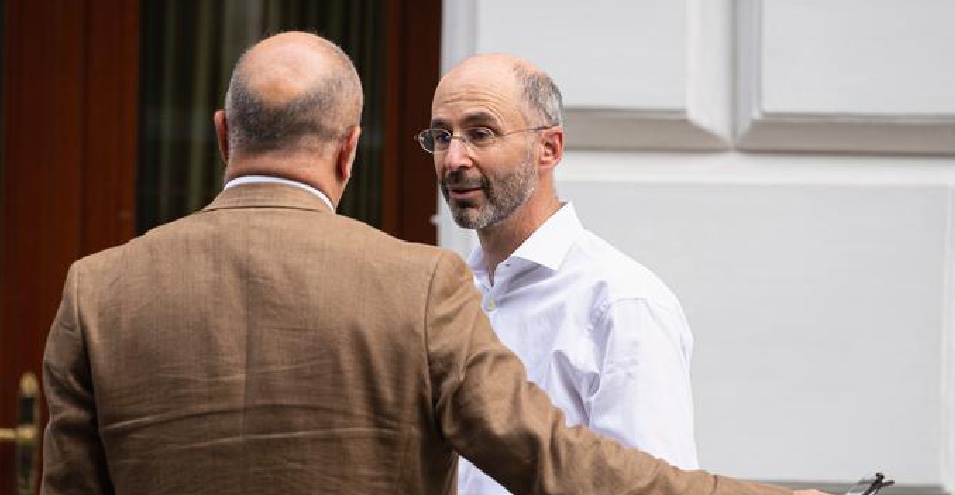
Robert Malley, the US Special Representative for Iran Affairs, described the fate of the nuclear agreement with Iran as “a big question mark.” He also discussed two possible options for US measures in case the JCPOA negotiations in Vienna fail.
Robert Malley, the US Special Representative for Iran Affairs, said on Thursday, August 19, in an exclusive interview with the analytical news outlet “Politico,” referring to the Islamic Republic’s non-participation in JCPOA negotiations: “Joining the multilateral international agreement JCPOA is something we cannot fully control.”
According to Politico, Robert Malley is not entirely confident that he will succeed in his mission.
The Vienna negotiations aimed at returning to the JCPOA agreement have been held six rounds so far between the Islamic Republic and five countries—Germany, Britain, France, Russia, and China—with indirect US participation.
The latest round of negotiations ended on June 20, and unlike previous rounds, no date was set for the next round of talks.
According to Politico, negotiations to revive the JCPOA have become “complicated and are effectively stalled” with the arrival of Ibrahim Raisi, Iran’s new president.
Robert Malley refrained from answering a Politico reporter’s question about what percentage probability exists for the US to return to the JCPOA nuclear agreement, saying: “If I give you a percentage, it won’t help much. We are ready to resume negotiations.”
Malley continued, saying that in case of failure in the JCPOA revival negotiations, his team is preparing some programs and possible plans.
According to the US representative for Iran affairs, one of these matters is that Washington and Tehran would sign a completely separate agreement that would have different parameters from the current agreement.
Another matter is a set of punitive measures in coordination with European allies. The US Special Representative for Iran Affairs refrained from mentioning details about the scope and nature of such measures.
While referring to the US’s readiness to resume negotiations, he emphasized: “If we thought reaching an agreement was impossible, we would not be doing this.”
Malley stressed that the delay in negotiations is due to the mistrust created during the Trump administration’s “maximum pressure” policy toward the Islamic Republic and political transition in Iran.
Source: DW