Human Rights Watch: Mismanagement and Lack of Transparency Have Exacerbated Coronavirus Crisis in Iran
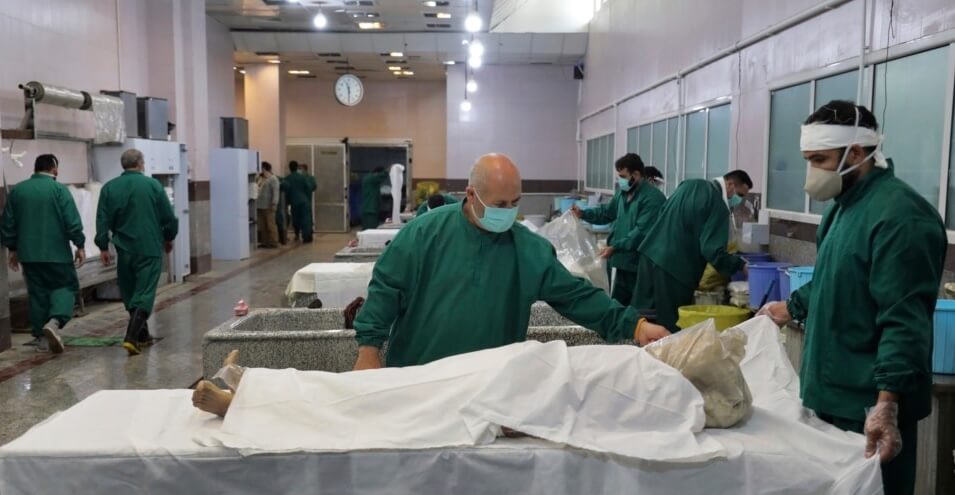
Human Rights Watch warned on Thursday in a statement that the government’s ban on purchasing American and British vaccines, coupled with lack of transparency and mismanagement by authorities, has worsened the severity of the coronavirus pandemic in Iran.
The human rights organization stated in its statement released on Thursday, August 19, that it is calling on the authorities of the Islamic Republic to intensify their efforts to respond effectively to the coronavirus crisis, including by utilizing all possible resources to provide vaccines and ensuring correct and transparent information about ways to fight this disease.
The statement also noted that government officials in Iran have blamed the slow pace of vaccination on sanctions and delays by foreign sellers, but have “not provided clear evidence and documentation to prove these claims.”
In recent months, coinciding with the resurgence of coronavirus in Iran, unprecedented records have been set regarding the statistics of deaths and infected individuals in the country. For more than two weeks, approximately 40,000 people are being added daily to the number of infected individuals and more than 500 people to the death toll in the country.
It was only after the coronavirus crisis escalated in this manner in the country that the leader of the Islamic Republic agreed after eight months to issue permission to provide vaccines “by any possible means.” He had previously explicitly banned the purchase of American and British vaccines.
Tara Sepehryfar, a researcher at Human Rights Watch, said on Thursday: “Iranians are expressing their anger at the incompetence of authorities and the lack of transparency by authorities in controlling the COVID-19 pandemic, which costs the life of one Iranian every few minutes.”
Ms. Sepehryfar, referring to the importance of “public trust in managing public health crises,” described the Iranian government’s mismanagement of the coronavirus crisis as a repetition of the Islamic Republic’s performance in similar cases in the past.
The escalation of the coronavirus crisis due to lack of medical facilities, medicines and oxygen, and pressure on medical staff has sparked widespread criticism among citizens, experts, and even officials, and many of them consider the delayed action to purchase vaccines as the reason for the recent crisis and are calling for accountability of officials in this regard.
In this regard, Mehdi Mohammadian, a political activist, and Mostafa Nili, Arash Keykhasoui, Mohammad Reza Faqihi, Maryam Faraafraz, and Leila Heidari, lawyers, were arrested on August 14 for “holding a meeting to file a complaint against some officials on the issue of coronavirus.”
Ms. Heidari was released on Sunday, August 15, but the others remain in custody.
Human Rights Watch, referring to the names of these detainees, emphasizes that the authorities of the Islamic Republic cannot shirk responsibility for fighting coronavirus by deflecting blame or blaming sanctions.
Source: Radio Farda