Report on Problems Faced by Inmates Imprisoned in Tehran Central Prison; Cases of Coronavirus Among Prisoners
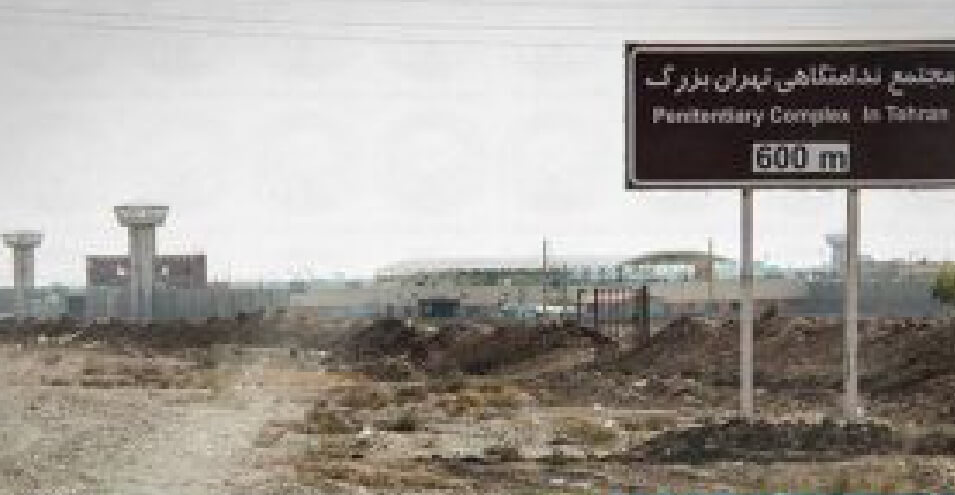
Inmates held in quarantine ward Type 2 of Tehran Central Prison face numerous problems in various areas. In the following report, some of these problems are addressed, including hygiene conditions, food and drinking water, failure to observe the principle of crime classification, and high population density among prisoners. It is reported that at least 10 inmates held in quarantine ward Type 2 of this prison have been infected with coronavirus.
According to Hrana news agency, the news organ of a coalition of human rights activists in Iran, inmates held in quarantine ward Type 2 of Tehran Central Prison face numerous problems in various fields.
The negligence of authorities regarding prisoners’ conditions and violations of prisoners’ rights have made detention conditions particularly difficult in the context of the coronavirus pandemic crisis. In the following report, some of these problems are addressed, including issues related to hygiene conditions, food and drinking water, failure to observe the principle of crime classification, and high population density among prisoners.
The population density of inmates held in quarantine ward Type 2 of this prison is high, and it is reported that currently at least 50 people are sleeping on the floor. Additionally, the principle of crime classification is not observed, and inmates with different charges, including those accused of violent crimes, are held alongside other prisoners.
A source close to the family of one of the inmates told Hrana regarding the condition of water and food: “The quality of food is very poor and the prison water is not potable. Inmates are even forced to buy drinking water and prepare food themselves in the kitchen of hall 6, which has a single gas stove.”
According to this source, inmates are currently being kept in quarantine for 14 days due to corona conditions. It is reported that very few inmates have been vaccinated. This is while according to him, in recent days at least 10 inmates held in quarantine ward Type 2 of Tehran Central Prison have been infected with coronavirus, and the prison’s health department is not providing necessary medical attention.
In mid-Mordad of this year, Mohammad Mehdi Hajji Mohammadi, the head of the Prison Organization, claimed in his Twitter account that 50 percent of the country’s prisoners had been vaccinated.
Hrana recently published a report titled “Fears and Hopes; A Report on Corona Vaccination in Prisons,” which examined vaccination conditions in several prisons across the country. Delays and the lack of a systematic plan for vaccinating prisoners in various prisons across the country occur at a time when coronavirus outbreaks have been repeatedly reported in many prisons in the country, affecting many prisoners and their families with problems caused by this disease. Neglect of the situation of sick inmates in prisons, lack of proper medical care in prisons, authorities’ strictness in sending inmates on medical leave and to hospitals, lack of sufficient sanitary supplies, and failure to create conditions for disease control and adherence to health protocols in prisons have always exacerbated disease spread. The very high density of inmates relative to available space in prisons is also a fundamental problem for inmates during the coronavirus outbreak.
Hrana previously also published a report titled “Anger and Bewilderment of Society; Reactions Following the Revelation of More Aspects of Corruption, Mismanagement, and Sabotage in Vaccination,” which examined new angles of sabotage in vaccinating people and reactions to it.
Source: Hrana