Welfare: We Will Not Accept Addicts in Red-Alert Provinces
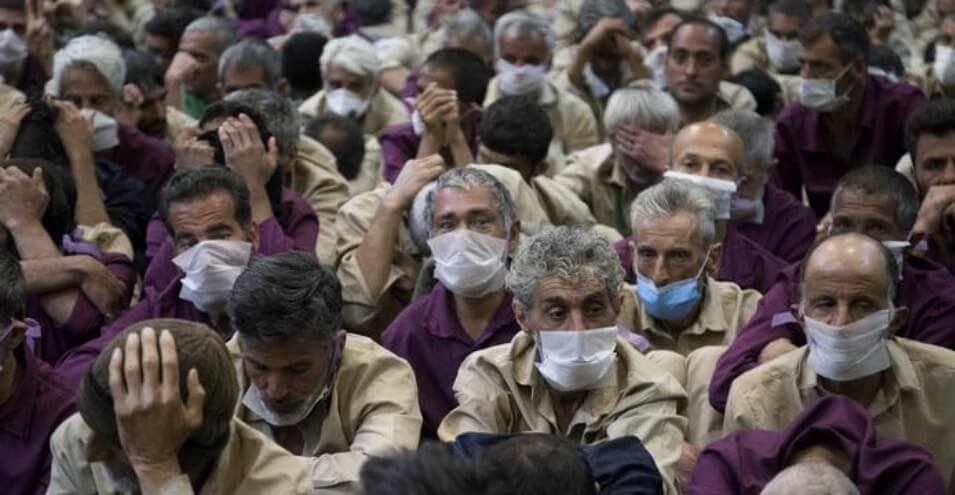
Twenty-five Iranian provinces are in warning and red alert status. The director general of the prevention department of the Welfare Organization announces the ban on accepting addicts in care centers in red-alert provinces. Addicts only have access to addiction treatment and shelter in six provinces.
Articles 15 and 16 welfare centers have closed their doors to addicts during the coronavirus pandemic. Farid Barati Sedeh, director general of the prevention department of the Welfare Organization, says that accepting addicts in all provinces in red alert status has been banned.
Mezan News Agency quotes Barati Sedeh as saying: “In these centers, only individuals who were already accommodated there are being cared for. These individuals are also in quarantine to prevent them from getting sick.”
According to the latest announcement by the Ministry of Health, 14 Iranian provinces are in red alert status, which include Mazandaran, Tehran, Golestan, North Khorasan, Ardabil, Isfahan, Alborz, Razavi Khorasan, Kerman, Semnan, East Azerbaijan, Central, Yazd, and Gilan.
The aforementioned ban means homelessness and abandonment of thousands of addicts in densely populated and high-risk cities such as Tehran, Karaj, and Mashhad.
Articles 15 and 16 of the drug control law are based on the executive regulations of care, treatment, and harm reduction centers for addicts. The Drug Control Headquarters and the Welfare Organization are responsible for caring for addicts and assisting them in overcoming addiction in camps known as Article 15 and 16 centers.
With the onset of the coronavirus outbreak in Iran, these centers were closed on the recommendation of the Ministry of Health, and thousands of addicts across Tehran were left to fend for themselves.
The director general of the welfare prevention department announced that in white-status provinces, the heads of welfare organizations have the authority to accept addicts based on whether conditions are acceptable. Barati Sedeh also added that Article 16 centers operate at only half their capacity.
Gray Statistics of Addicts with Coronavirus
A spokesman for Iran’s Ministry of Health announced on Thursday, August 6, that 11 Iranian provinces are in warning status. Including the 14 provinces with red alert status, out of 31 provinces in the country, only six provinces remain white, and accepting addicts in care centers there is also conditional and at half capacity.
There is no data showing how many addicts under welfare supervision have contracted coronavirus or died. In June 2020, Farid Barati Sedeh had said that 59 visible addicts in 10 Iranian provinces contracted coronavirus. Now he tells Mezan in general terms: “Some of these individuals contracted coronavirus in towns, but after being referred to medical centers, they recovered, and thank God, no deaths among addicts in our centers have been reported.”
This welfare official had previously stated that the low rate of coronavirus infection among addicts was due to their isolation in their hideouts.
The number of addicts in Iran is also not precisely determined. In spring 2018, the Drug Control Headquarters announced that a total of 2,808,000 people in Iran are consistent consumers of narcotics.
The latest figures from Iran’s Ministry of Health put the number of coronavirus deaths at 17,976 and the total number of cases at 320,117. Field evidence, the number of burials in cemeteries, and comparison of data from independent sources, however, suggest that the actual figure is at least twice the officially announced number.
The Ministry of Health releases these statistics without breakdown.
On July 21, the secretary of Tehran’s drug control coordination council said: “Currently, 9,260 visible addicts are being cared for in Article 16 centers, of which approximately 100 tested positive for coronavirus.” ISNA news agency quoted Mostafa Hadizadeh on this date as saying: “This statistic applies to men and is very low among women.”
Source: DW