Rain That Brings No Blessing; Floods and Waterlogging in Iran’s Deprived Provinces
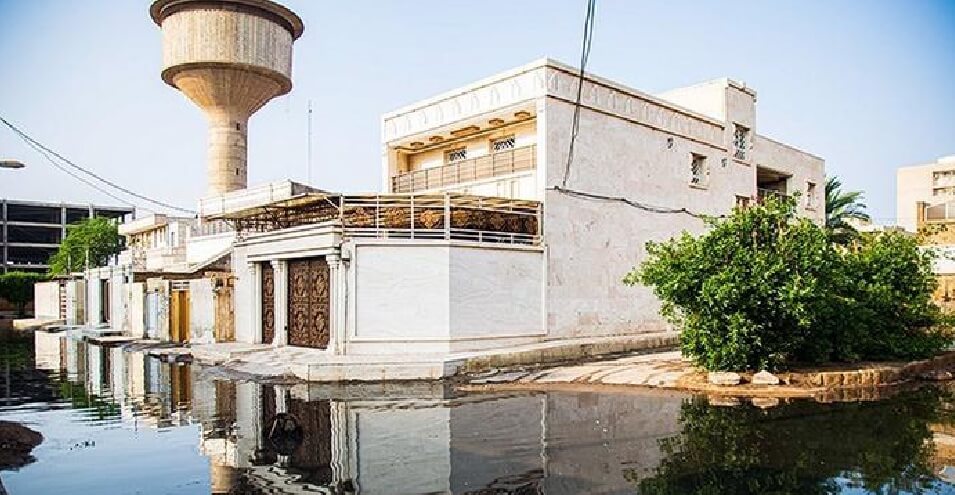
Rainfall in southern Iranian provinces has caused floods and waterlogging of homes and streets. So far, two people have died in Bushehr province and five people in Hormozgan province. The Kamploi area of Ahvaz continues to suffer from waterlogging.
Continued rainfall in southern Iranian provinces has resulted in numerous floods and waterlogging. On Monday, December 8, the ISNA news agency reported the deaths of two women in Bushehr province. Both women, in their 30s, died—one as a result of falling into a river in Borazjan city and the other from a landslide due to heavy rain in the Dashtestan nomadic area.
So far, five people have also died in Hormozgan province as a result of flooding.
The CEO of the Red Crescent Society of Bushehr province stated that the new round of rainfall from Sunday, December 7, recorded approximately 100 millimeters of precipitation in Dilam, Ganaveh, and Dashtestan cities and their villages.
Street and home waterlogging, destruction of rural houses, power outages, and collapse of power poles are among the damages resulting from heavy rainfall.
The crisis management director of Bushehr’s governorate also reported “inflow of runoff from upstream provinces of Fars, Kohgiluyeh and Boyer-Ahmad, and Khuzestan,” which he said has caused rivers to overflow and water to flood into cities, inundating streets and homes.
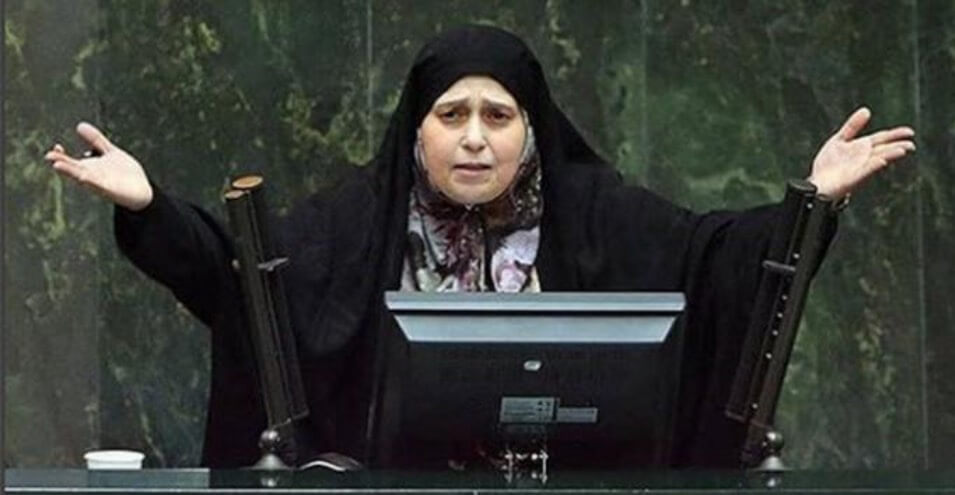
The representative of Dashtestan in the Islamic Consultative Assembly said Sunday night in a television program: “Unfortunately, with the outbreak of flooding in Dashtestan, the flood has taken away people’s lives, and tonight we have great concerns about accommodating residents in this county and Dilam.”
According to Ibrahim Rezaei: “The people of Dashtestan began their normal daily routines at home and in their workplaces today, but with the outbreak of flooding, the flood swept away their property and assets, and although rescue teams have been working in this city since morning, people’s problems have not been solved so far.”
Tasneem News Agency also reported in a photographic report about waterlogging in the Kamplo area of Ahvaz. According to this report, despite five days passing since severe rainfall, waterlogging of streets and some homes continues.
“No Funds Have Been Provided to Khuzestan”
The head of Iran’s Crisis Management Organization stated that no budget has been allocated to Khuzestan province to combat flooding so far.
Ismail Najjar said on Sunday night, December 8, in a television interview: “To deal with natural disasters last year, 5,084 billion tomans in credits were proposed, of which approximately 300 billion tomans were approved in the budget law, but so far no funds have been allocated to the executive agencies of Khuzestan province.”
According to this official, in some areas of Khuzestan and Bushehr provinces, “the outlet capacity of bridges does not match the river water discharge,” and this is what causes flooding.
The head of the Crisis Management Organization also noted that Ahvaz, Abadan, and Khorramshahr lack drainage channels and described the sewage networks of these cities as “severely deteriorated,” saying that waterlogging must be drained by pumps for this reason.
Najjar considered completing the sewage networks of these cities and rebuilding infrastructure as time-consuming work “requiring cooperation and collaboration of all executive agencies and the Islamic Consultative Assembly.”
Mojtaba Yousefi, the representative of Ahvaz in the Islamic Consultative Assembly, also stated that 6,000 billion tomans in credit is needed to organize the sewage network of this city.
He added: “While Khuzestan is a major province providing energy and necessary revenues, it is very weak in terms of infrastructure, and with rainfall of less than 50 millimeters, this city and or Imam Port and Mahshahr experience severe waterlogging.”
This parliamentary representative criticized neglect of prevention and said: “When a crisis occurs, we must spend several times more than prevention. In fact, we spend thousands of billions of tomans to do something, but we do not allocate any budget to prevent disasters and calamities.”
Source: DW