Iran’s Central Bank Tightens Conditions for Goods Import
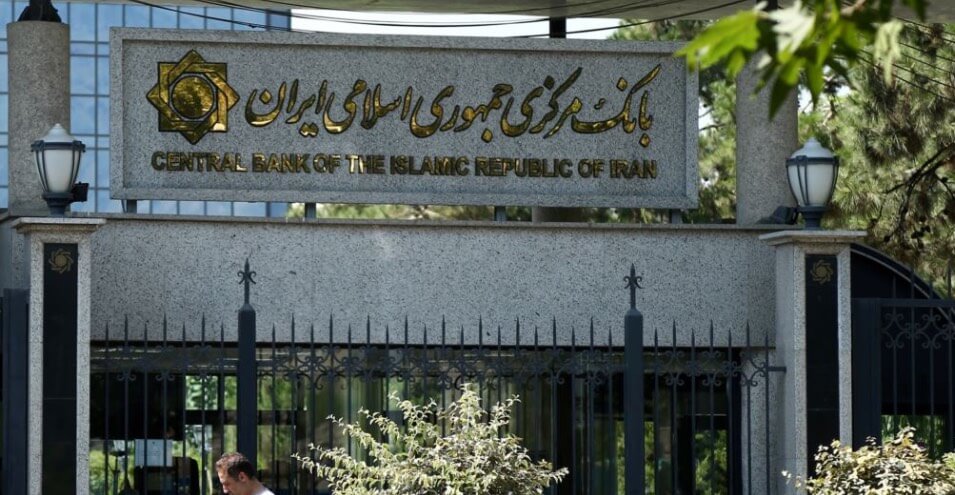
The Central Bank has set new conditions for importing goods into Iran, based on which the source of foreign currency for imports must be clearly specified.
These regulations, which make it harder for goods to enter the country, have been issued with the aim of returning foreign currency from exports to the country and reducing capital outflows from Iran.
According to the Central Bank’s new announcement, exporters can return their foreign currency to the country through several methods, including offering it on the NIMA system or importing it in the form of dollar banknotes.
Previously, goods exporters were required to deliver their foreign exchange earnings abroad to the NIMA system, which operates similarly to a money transfer service, so that importers could use this source to purchase goods from abroad.
However, it was previously reported that many exporters have refused to deliver their export earnings to this system.
Exporters can also import goods using foreign currency earned from their own exports.
According to this announcement, individuals who claim to have foreign currency abroad can also provide it to importers.
The Central Bank had previously stated that it welcomes foreign currency inflows through this method, but “provided that the flow of currency entry and use and its source are completely transparent.”
Tasnim News Agency and some Iranian media outlets have interpreted the Central Bank’s new announcement as prohibiting imports to Iran without securing the necessary foreign currency for them. In another announcement, the bank stated that for certain goods, official-rate foreign currency “will not be available for allocation.”
Meanwhile, Hossein Modares Khiabani, the caretaker head of the Ministry of Industry, Mines and Trade, said that with the coordination and supervision of the Central Bank, importing raw materials for manufacturing plants would be possible without securing foreign currency.
Mr. Modares Khiabani did not explain from what source the required foreign currency for importing industrial raw materials would be secured.
The Economy Minister and other government officials previously stated that half of the foreign currency earned from exports is not returning to the country.
Meanwhile, Hassan Rouhani said on Saturday, Ordibehesht 27, at a meeting of the National Coronavirus Task Force that foreign currency earned from exports must return to the country.
Iran’s President emphasized: “If our focus is on oil, we will face problems, but if our focus is on patriotic exporters, we have no problems.”
The Central Bank of Iran’s announcement did not specify with what foreign currency essential goods such as food will be imported. Currently, these goods are imported with official-rate currency.
Meanwhile, in recent years, numerous cases regarding the receipt of official-rate foreign currency and the non-import of goods in return have been opened in Iran’s judiciary.
Source: Radio Farda