Protests in Iran; Internet Restrictions, Arrest of Demonstrators
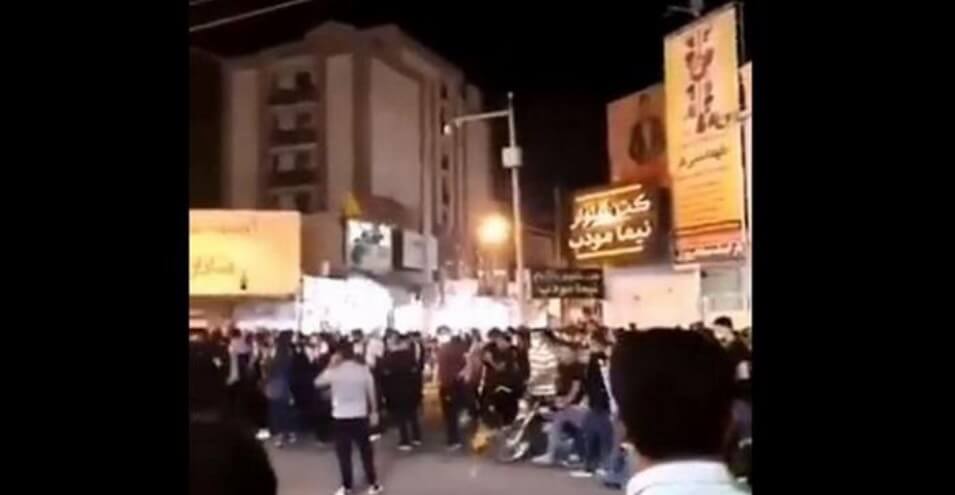
Iran’s protests started in Behbahan and spread to Shiraz, Isfahan, Rasht, Mashhad, Tabriz, and Urmia. Following these protests, the internet was cut off in Khuzestan. Revolutionary Guard intelligence in Razavi Khorasan and several Iranian cities arrested a large number of protesters.
Eight months after the November 2019 protests, demonstrators took to the streets again in various cities across the country. Anti-government rallies began in the afternoon of Thursday, July 16, in the city of Behbahan in Khuzestan Province. The main slogans of the protesters were “Neither Gaza nor Lebanon, my life for Iran,” “An Iranian dies, he accepts no humiliation,” and “Don’t be afraid, don’t be afraid, we are all together.”
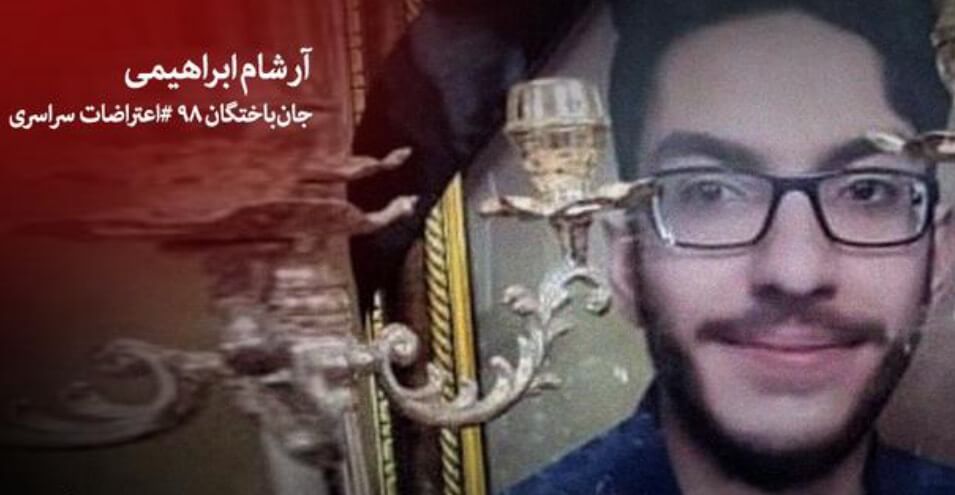
Protesters also chanted slogans against Khamenei and other government leaders. Some social media users cited the dire economic situation and death sentences issued for November 2019 protesters as the main motivation for this gathering and demonstration.
Security forces fired tear gas to disperse the demonstrators. A security situation prevailed in many major Iranian cities.
Colonel Mohammad Azizi, commander of the Behbahan police force, said on Friday in an interview with IRNA that the demonstrations in the city were organized by “a small number of people” who “gathered at the Bank Melli square in the city at 21:00 on Thursday to protest the economic situation.”
He claimed that initially the police intended to “disperse these individuals through negotiation, but not only did they not disperse, but they began chanting norm-breaking slogans. For this reason, the police firmly moved to disperse them.”
Azizi provided no further explanation about the police’s “firmness” and added: “Fortunately, with the measures taken, no financial or human losses occurred at this gathering, and the gathering participants were directed to their homes.”
Official news agencies, including the Tasnim News Agency affiliated with the Revolutionary Guards, reported the arrest of several protesters.
The Behbahan police commander attributed the Behbahan demonstrations to “hostile individuals and groups” who “in the current sensitive conditions intend to incite people and strike at the system, and certainly want to create tension in society by stirring people’s emotions.”
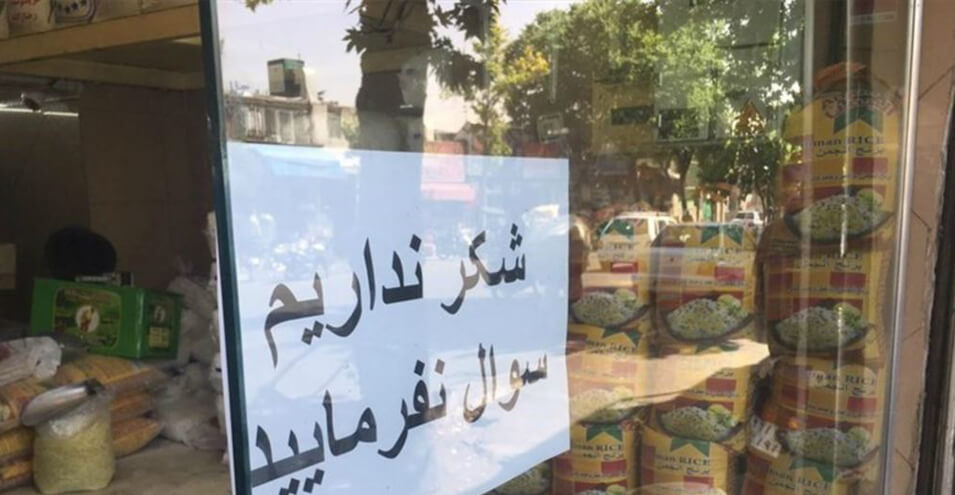
The country’s economic situation has worsened due to the coronavirus outbreak. Severe sanctions by the United States, particularly banking and oil sanctions, have confronted Iran’s economy with unprecedented recession. One day before the start of these protests, the dollar had reached 24,000 tomans. On the other hand, the issuance of death sentences against November 2019 protesters and the arrest of some families of November 2019 victims, including the family of Pouya Bakhtiari, the protests of retirees, and the arrest of Haft Tappeh workers were all signs of widespread discontent in Iran. In recent days, social media users, regardless of government actions and poor crisis management of coronavirus, were voicing criticism.
Apparently, social networks played an important role in organizing the protests, so the Iranian government immediately reacted by cutting off and restricting them.
NetBlocks: Internet Cut Off in Khuzestan
According to a report by “NetBlocks,” an internet traffic monitoring body worldwide, internet in Khuzestan has been completely cut off.
NetBlocks posted a chart stating that from 22:00 Iran time, internet access in Khuzestan has been severely restricted.
Tasnim: Arrest of Several People in Razavi Khorasan and Shiraz
A security situation has prevailed in many major Iranian cities. Some reports also indicate the presence of riot control personnel on the streets of Tehran, Shiraz, Mashhad, Tabriz, Urmia, and Rasht.
Tasnim News Agency, affiliated with the Revolutionary Guards, reported the arrest of several people in Razavi Khorasan by the Revolutionary Guards.
In the Tasnim report, “Sepah-e Imam Reza” in Razavi Khorasan Province stated in a statement: “A number of key operatives of hostile groups who, while communicating with counter-revolutionary networks, were encouraging supporters and people to gather and street protests through the dissemination of calls, were identified and arrested.”
Tasnim wrote that in the records of some of these individuals, actions such as espionage against national security, calls for riots, and attempts to disturb public order through social media are also evident.
Similar accusations were previously made against November 2019 protesters. In the nationwide November protests, many were arrested. Eight months after these protests, the Islamic Republic of Iran has still not announced the actual number of deaths and detainees.
Sepah Fajr Shiraz also reported the arrest of an operational team in the city. ISNA news agency reported that, according to the intelligence organization of Sepah Fajr in Fars Province, there was a discovery of “an operational team of the terrorist Mujahedin Organization that had entered Fars Province to carry out harmful operations.” According to the news agency, members of this team intended to carry out sabotage in one of Shiraz’s areas.
Colonel Pasdar Jalal Yarmohamadi, deputy public relations officer of Sepah Fajr, said “the movements of hostile groups are completely under intelligence surveillance, and legal processes regarding members of the arrested terrorist team are underway.”
Regarding the accuracy and correctness of these claims, there is much room for doubt. Government media typically describe protests and opposition by attributing them to “terrorist groups,” “counter-revolutionary,” and “foreign-affiliated.”
Source: DW