Three Iranians Arrested on Spying Charges for Saudi Arabia in Denmark

The Danish government has announced the arrest of three Iranians. The three, who are members of the “Arab Movement for the Liberation of Ahvaz,” are accused of espionage for Saudi Arabia. These three have been engaged in spying for six years. This armed group believes in the “independence” of Ahvaz.
Denmark’s intelligence and security service announced on Monday, February 14, the arrest of three members of the “Arab Movement for the Liberation of Ahvaz” on charges of spying for Saudi Arabia. Borch Andersen, head of Denmark’s intelligence and security service, said that these three conducted espionage for Saudi Arabia’s intelligence service within Danish territory between 2012 and 2018.
Danish security officials told news agencies that these individuals collected information about Danish people, companies, and businesses for Saudi Arabia’s intelligence service. The German news agency reported from a statement released by Borch Andersen stating: “The arrested individuals, among other things, collected information about people residing in Denmark and abroad as well as companies, and transferred this information to Saudi Arabia’s intelligence service.”
The “Arab Movement for the Liberation of Ahvaz” began its activities 14 years ago. The group’s program includes the liberation of Ahvaz and efforts to gain recognition of the “sovereignty and independence rights of the Arab people of Ahvaz” as well as establishing an “Arab state of Ahvaz” as part of the “Arab Movement for the Liberation of Ahvaz” objectives.
Activities of Islamic Republic and Saudi Arabia Agents in Europe
This is not the first time individuals have been arrested for spying for the Islamic Republic of Iran or Saudi Arabia in Denmark. Two years ago, in November 2018, Denmark’s intelligence service released a report stating that the Islamic Republic had sought to assassinate members of the “Arab Movement for the Liberation of Ahvaz” within Danish territory, and had arrested an Iranian in connection with this.
In December of last year, the Stockholm District Court sentenced a Swedish-Iraqi citizen, whose identity was not disclosed, to two and a half years in prison on charges of illegal activities against the “Ahvazi community” in several European countries. According to the court, the 46-year-old man had collected information about the activities of Arabic-speaking Ahvazis in several European countries and provided it to Iranian security agencies. The statement issued following this ruling stated: “The defendant’s activities, namely monitoring the activities of Ahvazis, could result in legal prosecution, harassment, and even death for Ahvazis and their relatives in Iran.”
The court also stated that the mentioned “intelligence operations” were conducted systematically between 2015 and 2019. Among the defendant’s activities were filming participants in conferences and demonstrations of Arabic-speaking Ahvazis in Sweden and several European countries, as well as photographing license plate numbers of their vehicles.
A Cycle of Violence
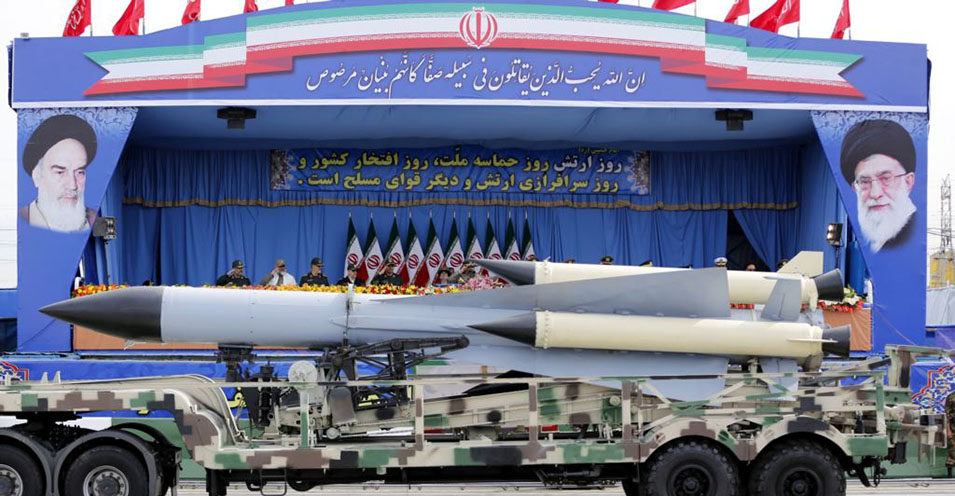
On the last day of Shahrivar in 2018, coinciding with a military parade by armed forces in Ahvaz, a group of four fired on attendees. In this armed attack, 24 people, including several civilians, were killed and approximately 60 others were wounded.
Following this attack, which ISIS claimed responsibility for by releasing a video of the attackers, the Islamic Republic stated that the “Ahvaz Movement” was involved in the operation. During this armed operation, 24 people were killed by the attackers.
Following this attack and in November of that year, a wave of arrests began in Ahvaz. Ahvazi activists reported the arrest of approximately 800 men and women in Ahvaz, including political activists, cultural figures, and ordinary citizens. These arrests prompted a response from Amnesty International.
At that time, it was reported that 22 of them had been secretly executed. Amnesty International issued a statement calling for an immediate clarification of the fate and whereabouts of hundreds of Arab Ahvazis who were held in detention without access to their families or lawyers.
Following the attack on the Iranian armed forces parade in Shahrivar of the previous year, Iran summoned the ambassadors of the Netherlands and Denmark and the interim chargé d’affaires of Britain in protest of this group’s activities in Europe.
Before that, in July 2018, the Dutch government expelled two employees of the Iranian embassy from the country. The expulsion of these two was said to be related to the killing of Ahmad Mola Abunaheth, known as Ahmad Nisi, the founder of the “Arab Movement for the Liberation of Ahvaz.” He was killed in front of his house in The Hague in November 2017.
Source: DW