Government Officials Acknowledge Financial Crisis Amid Sanctions
The continuation of sanctions on oil and petrochemical products has pushed the Iranian government into a new phase of “insolvency.” Government officials make no attempt to hide the fact that the private sector has weakened and this “ever-wealthy father” now lacks even the means to sigh.
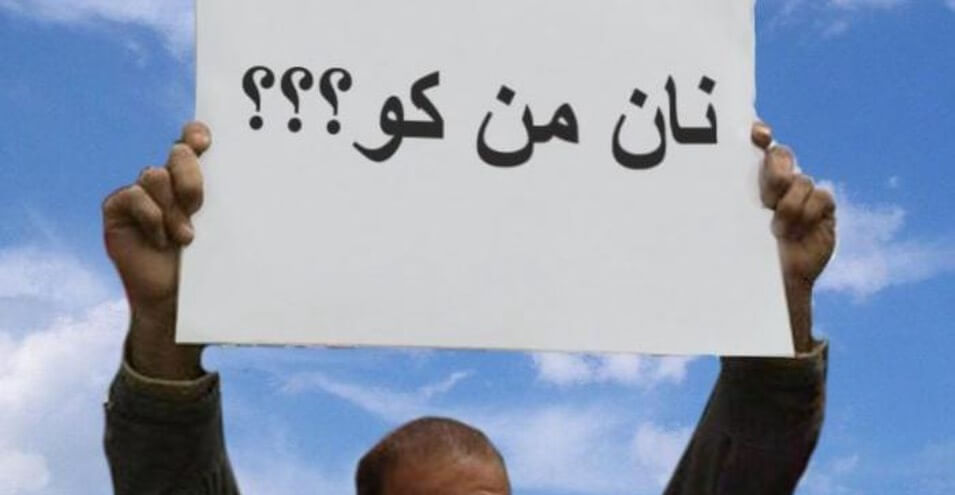
Government officials in Iran are talking more than ever these days about the government’s budget deficit. President Hassan Rouhani himself articulated the core of the government’s financial crisis during a trip to Yazd several weeks ago. Speaking to a crowd of people holding protest placards demanding improvement in their living conditions, Rouhani repeatedly asked why no one is talking about “billions of dollars that have not been returned to the treasury.”
Ali Rabiei, the government spokesperson, also said on Tuesday, December 3rd, in a gathering of industrialists that in these circumstances where the government has no development budget, people need hope. However, Rabiei’s remarks were entirely discouraging. He acknowledged that “the era of currency intoxication” in the country has come to an end.
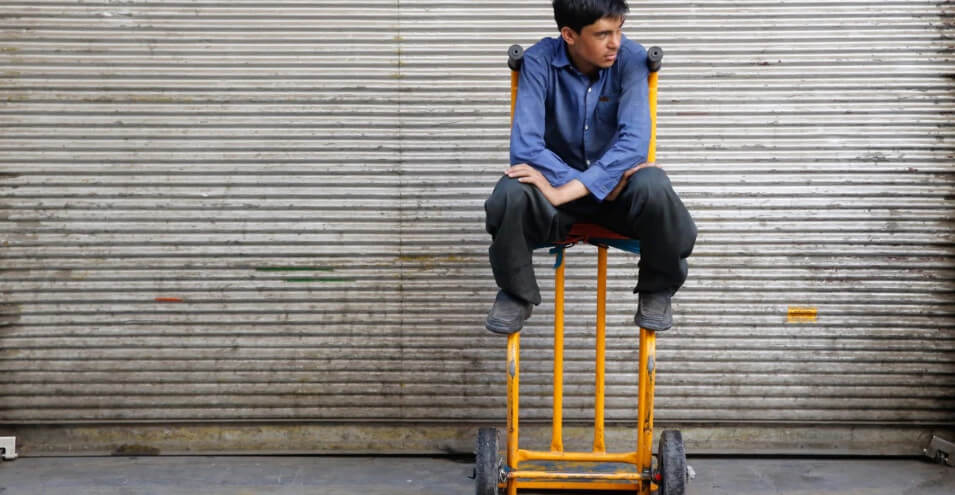
Government officials no longer hide the fact that the private sector in Iran has weakened and many businesses and workshops have been forced to close their shutters so they do not fall further into debt to workers.
The wave of protests over several months by workers at the Haft Tappeh sugarcane complex, HEPCO Tehran and Arak, and a number of other state and private industries has occurred due to widespread workforce reductions, lack of raw materials, and consequently lack of exports and sales.
Iran Has Oil, Buyers Don’t Dare to Purchase
Unpaid wages for many workers and employees of companies and industries in Iran sometimes reach over 15 months in arrears. This situation has led the organizations of planning and budget and the development and modernization of Iranian industries to appeal to the government for solutions, but the First Vice President and government spokesman have both announced in gatherings of industry owners that “attention must be turned outward.”
They also spoke of international communication channels, but despite sanctions being in place, no economic experts in Iran see any window of hope.
The government’s revenue-generating pathways have also experienced severe fluctuations. In this situation, managing resources, spending, and covering expenses for a government that has oil but no buyers is difficult.
The dramatic decrease in oil exports to 300,000 barrels per day, the decline in demand from countries for oil and petrochemical products on one hand, and the inability to sell oil and receive payment in dollars or euros on the other, has left the government at a loss. Officials at the Ministry of Oil had previously said they could sell Iranian oil very quickly, but they have failed to do so.
Ishaq Jahangiri, Vice President, has said regarding the situation of selling Iranian oil that even neighboring friendly countries do not “dare” to buy Iranian oil.
Oil and petrochemical sanctions against the Islamic Republic began two years ago on the order of the US President, and in the first phase, severe prohibitions and restrictions were imposed on the sale and export of petrochemical products. Petrochemicals, after oil, is Iran’s most important export product.
Currency fluctuations are also another challenge for the Islamic Republic. On the other hand, the government, in order to secure its revenue sources in the 1399 budget bill, has placed special emphasis on increasing tax and customs revenues; increases whose precursor manifested itself in gasoline prices and led to recent protests.
Source: DW