Collective Hunger Strike of 72 Imprisoned Gonabadi Dervishes in Fashafuyeh Prison
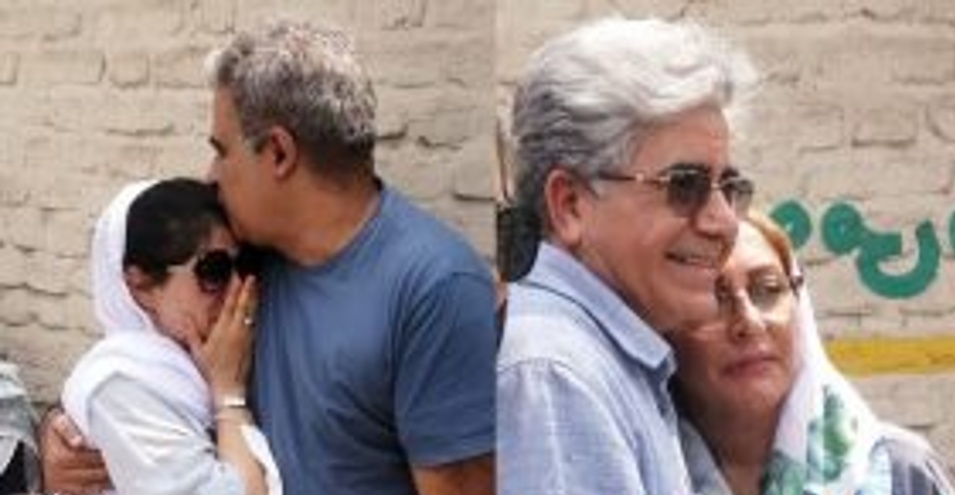
Faezeh Abdi Pour, a Gonabadi dervish rights activist and wife of Mohammad Sharifi Moghaddam who is imprisoned in Fashafuyeh Prison, told the Campaign for Human Rights in Iran about a collective hunger strike by more than 72 Gonabadi dervishes in two Iranian prisons. She stated that their demands include lifting restrictions and removing security concerns regarding Noor Ali Tabandeh, the spiritual leader of Gonabadi dervishes, and reopening the dervish Husainiyyahs (religious gathering halls).
According to Abdi Pour, the hunger strike by Gonabadi dervishes began after Noor Ali Tabandeh refused to eat in protest against security restrictions.
Noor Ali Tabandeh, the leader and spiritual pole of Gonabadi dervishes, is one of the political and human rights figures who was declared apostate in 1981 by Khomeini, the leader of the Islamic Republic at that time, for protesting against the Qisas (retribution) bill. Following clashes between security forces and a number of Gonabadi dervishes on Golestan Haftom Street in Tehran in February-March 2018, he was placed under house arrest and his contact with Gonabadi dervishes was restricted. Mr. Tabandeh obtained permission to travel to Bidkhent, his hometown, on September 25, 2019, but security forces did not permit accompanying Gonabadi dervishes to travel with him.
On the thirtieth day of Bahman (February 19, 2018), Gonabadi dervishes gathered to protest the blockade of their leader’s house (Noor Ali Tabandeh) in Tehran by security forces and the detention of one of their fellows. The peaceful gathering turned violent when security and police forces attacked. Mohammad Raji, one of these dervishes, was beaten and arrested during these clashes in early March and was subsequently killed in prison.
Faezeh Abdi Pour, a Gonabadi dervish rights activist, told the Campaign in an interview: “When the news of Doctor Tabandeh’s refusal to eat reached the inmates in prison, they also began their hunger strike from Sunday, November 3rd, and said they will also refuse to accept medicine. 72 people are currently on hunger strike. 69 are in Greater Tehran Prison and three are in Evin Prison, namely Sepideh Moradi, Shokofeh Yadollahi, and Sima Ansari, who are in the women’s ward of Evin Prison.”
According to Abdi Pour, “those who are on hunger strike want all the restrictions imposed on Doctor Tabandeh to be lifted, dervish gatherings and Husainiyyahs to be reopened, and the security concerns regarding dervishes and Mr. Tabandeh to be removed.”
She added: “After the Golestan Haftom incident, Mr. Tabandeh was placed under house arrest and their contact with dervishes was cut off. After a year when dervishes constantly request visits with him, visits are still restricted. The dervish gatherings that were held in Husainiyyahs in various cities across Iran, such as the Amir Soleimani Husainiyyah in Tehran, have all been closed.”
Faezeh Abdi Pour told the Campaign about Noor Ali Tabandeh’s refusal to eat: “The reason for his refusal to eat was that they prevented him from meeting with dervishes. He is also concerned about the situation of imprisoned dervishes. They have prevented the young people from working and deprived them of education, and after the Golestan Haftom incident, widespread arrests and harsh and unjust sentences continue. All of this has caused concern. He refused to eat and the inmates also went on hunger strike from inside the prison and said they will also refuse medicine.”
Gonabadi dervishes are followers of a minority mystical interpretation in Iran who have a different interpretation of Islam from that practiced in the Islamic Republic. The Islamic Republic has a hostile approach toward different readings of the official religion, including Gonabadi dervishes who have a different interpretation of Shi’ism, and these individuals face various forms of discrimination in educational, professional, and freedom of expression matters.
In recent years, many of these dervishes have been arrested and imprisoned for expressing their opinions or practicing religious ceremonies or informing about violations of their rights. The arrest of lawyers and operators of the Majdhooban Noor website belonging to Gonabadi dervishes are among the approaches taken against this group.
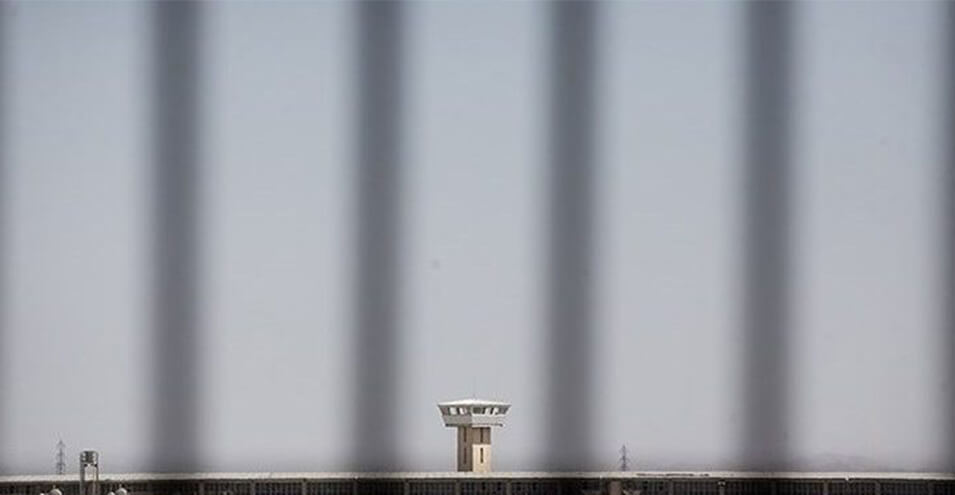
Faezeh Abdi Pour, a Gonabadi dervish, told the Campaign in an interview about the situation of imprisoned dervishes in Fashafuyeh Prison: “The dervishes are currently in Greater Tehran Prison in two blocks and one secure ward. The secure ward refers to suites where inmates are kept in solitary confinement separate from other prisoners. Nine people are in these suites and the remaining dervishes are in blocks 4 and 2 of Greater Tehran Prison and have no contact with regular inmates. They make in-person visits very difficult for dervishes; for example, in the past year, I had only one in-person visit with Mohammad, which was in December 2018.”
She continued: “There is absolutely no drinking water and everyone has to buy it themselves. Hygiene is below zero and the prison food is both contaminated and inedible in terms of quality. This prison is actually a prison for regular inmates with no separation of crimes, and until a month ago a number of dervishes were distributed in public wards among regular inmates with constant danger of clashes and being killed. Through our follow-ups and protests that the young people made from inside the prison, everyone has been moved back into wards except for 9 people who are kept in security custody.”
Campaign investigations show that the names of Gonabadi dervishes who have collectively gone on hunger strike in prison are as follows: Ahmad Iranikhah, Saeid Durandish, Morteza Kangarlo, Salahuddin Moradi Soroostani, Kasraye Nouri, Sina Ansari, Reza Ansari, Mostafa Abdi, Sokhanvarateh Salimi, Rasoul Huyida, Abbas Dehqan, Javad Khomis Abadi, Mojtaba Biranvand, Saeid Soltanpour, Mohammad Reza Darvishi, Haidar Taymouri, Mohsen Moqaddasi, Faramarz Mangari, Ahmad Barkoohie, Mahmoud Barkoohie, Seyyed Mostafa Mirmohammadi, Farnam Farhang, Akbar (Kianoosh) Biranvand, Seyyed Mehdi Fateminesab, Hossein Arrang, Jafar Ahmadi, Hadi Karimi, Reza Yavoori, Alireza Lak, Babak Moradi, Ali Nezadsaheby, Moslem Norouzi, Akbar Dadashi, Morteza Qadri, Abdullah Esmaili, Mostafa Rahsepar, Mahdi Mehduvi, Farhad Naeimi, Saleh Kamali, Hossein Rezaqi, Ardeshir Ashaeri, Milad Kakaund, Mirsadegh Hosseini, Behrouz Sadeqi, Mehdi Izdpanah, Saeid Goodrezi, Majid Moradi, Mehran Asgarzadeh, Hadi Shahrezauh, Vahid Khamushi, Saeid Khamushi, Alireza Azadroosh, Mahdi Bakhtiari, Mohammad Hassan Shahrezauh, Ehsaneddin Malkmohammadi, Babak Taghian, Mahdi Mahdilo, Bashir Riahi, Majid Rashidi, Reza Cigaretchi, Mahdi Kiyvanloo, Sadegh Qaysari, Mohammad Hossein Aboulfathi, Behnoud Pourrostami, Reza Razaei, Saeid Karimayee, Mohammad Karimayee, Mohammad Sharifi Moghaddam, Amir Soleimani, Shokofeh Yadollahi, Sima Ansari, Sepideh Moradi Soroostani
In a statement addressed to Noor Ali Tabandeh, they declared: “Upon hearing reports about the physical weakness of Hajj Doctor Noor Ali Tabandeh, the Majdhooban of Ali Shah, which is the result of inadequate food intake due to existing restrictions, our concern and restlessness regarding his situation have reached their peak. Therefore, we humbly request from His Excellency out of kindness to the disciples to end the abstinence, and hereby declare that until all pressures and security restrictions on Doctor Tabandeh are completely lifted and the Husainiyyahs are reopened and all his wishes are fulfilled, we will abstain from food and medicine. We disciples have no wish other than his health, well-being, and long life. Let it be forbidden if I choose my life over my friend’s.”
Source: Human Rights