Floods Swept Away Sistan and Baluchestan, Officials Slept Through It!
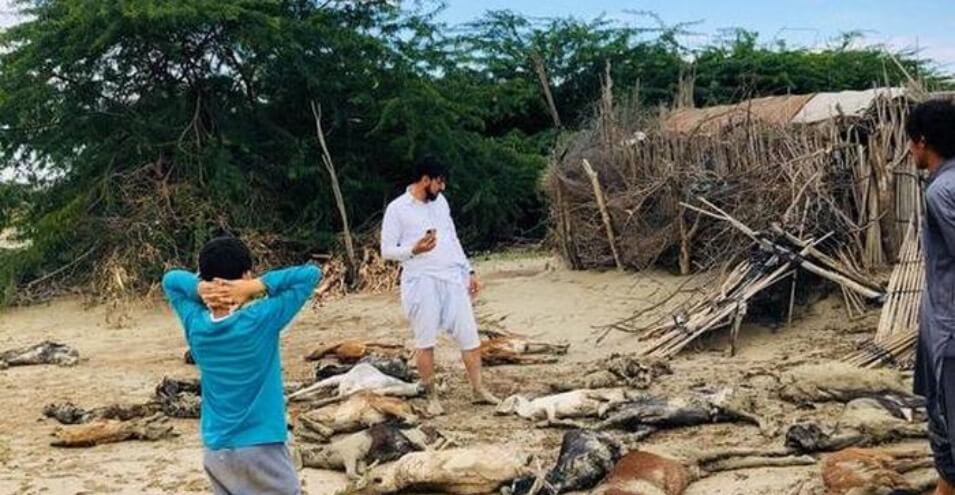
Amid the bitter events of these days in Sistan and Baluchestan, floods have arrived and consumed the property of the deprived people of this region. Beyond the destruction left behind, the provincial environmental protection department is warning of the danger of crocodiles escaping from pools.
Following the catastrophes and painful events that Iranians have been grappling with in recent days, it is now the turn of floods. Sistan and Baluchestan has been hit by a devastating flood that, according to officials, cut off communications in more than 500 villages in the south of the province in the initial hours. According to published reports, as a result of rainfall and flooding, approximately 350 million cubic meters of water per second overflowed from two major dams, Zirdan and Pishin.
Provincial officials say this volume of water has inundated the regions of Dashtiari, Plan, and Bahuklat, with villages under siege. The Kanak and Zarababad areas are submerged, and even areas not under siege by the flood have cut off communication routes. Ahmad Ali Mohammadi, Governor of Sistan and Baluchestan, says that despite efforts made, approximately 400 villages are still under siege by the flood.
Meanwhile, the General Department of Environmental Protection of Sistan and Baluchestan has issued a notice warning of the possibility of crocodiles escaping from pools. The notice states that with the overflow of rivers and dams in the region, there is a possibility of crocodiles being swept away by the rushing waters and being separated from their natural habitats. The General Department of Environmental Protection of Sistan and Baluchestan, calling on people to refrain from traveling along the edges of several rivers and areas of stagnant water accumulation, has announced the alert status of its protection units to “prevent the occurrence of bitter incidents and possible wildlife attacks.”
The flood has consumed Sistan and Baluchestan over the past three days, while the bulk of news and analysis in recent days has been devoted to the catastrophe of the Ukrainian plane crash and the deaths of 176 people on that flight, and of course the protests that have followed in various cities since the real cause of the plane’s crash was revealed.
According to the Governor of Sistan and Baluchestan, with the cutting off of land communications and the destruction of bridges, aid delivery by boat has been conducted in some areas, but as conditions worsen, boats are no longer able to move. The governor, referring to the volume of damage to homes, agricultural lands, facilities, infrastructure, and communication routes, has spoken of the need for national support to compensate for the damages.
The Governor of Sistan and Baluchestan emphasizes the necessity of sending helicopters to the region to continue relief efforts and “at least to supply people with food.” This official has stated in interviews with domestic media that “only one helicopter from the Red Crescent of Bandar Abbas has come to this region, and the provincial capital’s helicopters have not been able to enter the flood-stricken area due to unfavorable weather conditions.”
This provincial official, referring to power outages and the inability to bake bread, unfavorable accommodation conditions, and aid delivery to people, has expressed hope that greater support will be provided to help the flood victims of this province and to control the flood.
Death Toll and Extent of Damage
Some provincial officials speak of the unclear extent of flood damage and casualties. The Red Crescent Organization reports the deaths of three people in Hormozgan and the disappearance of one person in Sistan and Baluchestan. The Governor of Sistan and Baluchestan says that so far we have had no loss of life except for one case in the Sarbaaz river. The director of the Zahedan Emergency and Medical Services Center speaks of the death of a 5-year-old girl due to the collapse of a structure in Kahak Saravan.
However, on social networks, users describe the extent of the Sistan and Baluchestan flood disaster as greater than this and write about the possibility of an increase in the death toll. The severity of the flood in some areas of the province was such that people sought refuge in the tops of trees to be safe from the flood, and spent the night on tree branches in heavy rain.
Faghiheh Raghei, one of the active journalists in this province, says in an interview with domestic networks that most farms have been flooded, people have lost their livestock, and the tents of nomads have been swept away by water. According to this journalist, the people of Baluchestan say that many have not received Red Crescent aid and need medical, food, water, and hygiene supplies. She says that in Baluchestan villages, the problem of power and water outages existed before, and they currently have power, water, and internet outages, and communication routes by mobile phone and internet have also been cut off.
Raghei has also spoken of blocked roads and the difficulty of transporting patients and pregnant women to medical centers. Other reports also write about the problems created in the provision of services to patients due to heavy rainfall. A hospital director in Zahak county has reported the collapse of a ceiling in a hospital’s ICU ward. Navid Behanzahi, a resident of this province and an active figure in tourism and handicrafts as well as on Twitter, writes about the situation of this flood-stricken region and depicts a glimpse of the misery that the people of this region are facing.
Many media and social activists in this part of Iran, asking for help from people to aid the flood victims, are calling on public opinion not to forget Sistan and Baluchestan amid the bitter events of these days. However, the cries for help from the people of Sistan and Baluchestan are lost in the shadow of the plane crash catastrophe and the subsequent protests over official concealment. The Hamdaleh newspaper writes, “Even state radio and television has not paid much attention to the flood in this province and is busy with its own justification items regarding recent events.”
Did the Flood Come Without Warning?
Along with the severe deprivations that the people of this province are facing, alongside the loss of the voice of the people of this region of Iran calling for help from their compatriots, the question that is always raised in every catastrophe is whether this crisis could have been prevented or at least the extent of the disaster could have been reduced with proper management. Did the Sistan and Baluchestan flood come without warning?
Maryam Talshi, a journalist for the Iran newspaper, writes on Twitter: “All the water that is currently flowing as a flood in Dashtiari is not because of rain. Part of it is the result of the overflow of the Zirdan dam in Chabahar. Despite warnings about the occurrence of heavy rainfall two weeks earlier, the dam water was not released, which increased the intensity of the flooding.”
The representative of Zabol in the Islamic Consultative Assembly has criticized the failure to take preventive measures that have caused the flood to inflict great damage on the people of the province. Habibollah Dehmoradi, in an oral reminder in today’s parliamentary session, said: “This flood was predictable.” According to him, due to the lack of infrastructure, the flood has caused significant damage to Sistan and Baluchestan province. The representative of Zabol says: “Based on the decisions of the crisis headquarters, dredging of rivers should have been carried out and preventive measures should have been taken to prevent the occurrence of floods, but not only was no action taken, but heavy damage has been inflicted on people. Apparently, prevention means nothing to some officials.”
Navid Behanzahi’s short tweet reflects the prevention and crisis management by officials in the face of such events: “The floods swept away Dashtiari, the officials slept through it!”
Source: DW