Eight Deaths and 481 Poisoning Cases Due to Toxic Mushroom Consumption in Iran
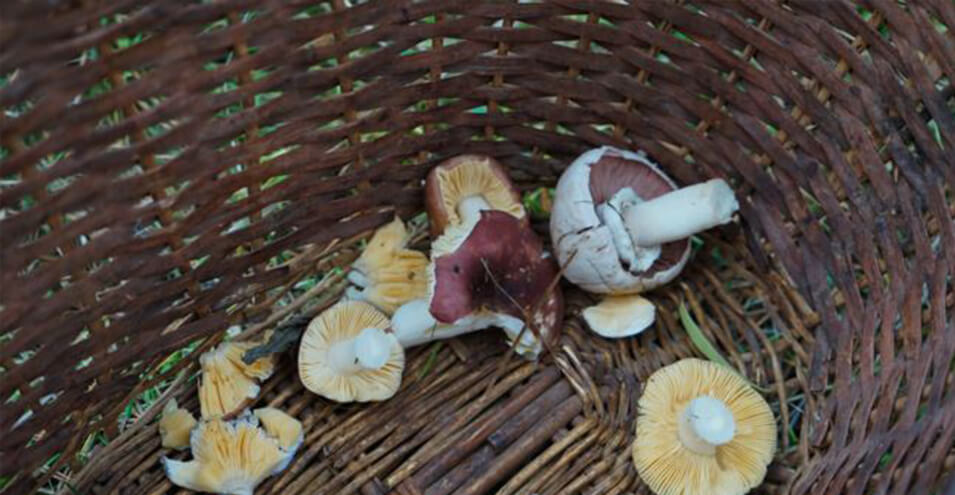
The spokesperson for Iran’s Emergency Organization has reported eight deaths from consuming “toxic mushrooms” and the poisoning of 481 others in recent days across several provinces of the country.
According to Mojtaba Khaldi, the condition of 47 people poisoned by natural mushrooms is reported as “critical,” and some individuals, whose exact number has not been mentioned, are also “on the liver transplant waiting list.”
He added that these people were poisoned in the provinces of Kermanshah, Kurdistan, Lorestan, Zanjan, and West Azerbaijan.
Based on reports from Iranian news agencies, the significant rainfall in Ordibehesht month this year, accompanied by thunderstorms, caused the growth of various types of mushrooms, particularly toxic varieties, and their consumption has resulted in the poisoning of this number of citizens.
The political and security deputy of the Kermanshah governor announced the name of the toxic mushroom species that poisoned 223 inhabitants of Kermanshah and caused the death of five of them as “Amanita.”
Ibrahim Elahi-Tebar stated that 157 of the poisoned individuals in this province were discharged from the hospital, and some were transferred to Shiraz due to acute need for liver transplants.
He added that this year, due to “existing weather conditions and humidity,” the toxic Amanita mushroom, whose “latent genes exist in the soil,” has grown and proliferated throughout the province, and due to its potent and deadly toxins, it destroys the digestive system and liver.
The health deputy of Kurdistan University of Medical Sciences, referring to at least 83 people visiting treatment centers in the past week due to poisoning from toxic mushroom consumption, reported that the highest cases of toxic mushroom poisoning in this province are related to the cities of Kamyaran, Sanandaj, Divandarreh, and Dehgolan.
As Farzam Bidarpoor stated, following recent rainfall, various species of mushrooms grew in certain areas of the province, and people who “do not have sufficient ability to distinguish between toxic and edible mushrooms” were poisoned by consuming them.
The treatment deputy of Lorestan University of Medical Sciences also reported three deaths and the poisoning of at least 125 people in this province due to toxic mushroom consumption, stating that two of the deceased were sent to Shiraz for liver transplants, where they died.
Abbas Pezeshki, while warning against the consumption of wild mushrooms, added that determining whether certain mushrooms are not poisonous is only possible through “laboratory sampling, and determining whether mushrooms are toxic through color, shape, taste, or other traditional methods is not possible.”
The number of poisoning cases resulting from toxic mushroom consumption in Iran in recent days has reached such a level that the director-general of the Natural History Museum and Genetic Resources Department of the Environmental Protection Organization has warned against the use of mushrooms and self-growing plants in the country.
Tahereh Eftekhari considered the identification and distinction of edible mushrooms from toxic mushrooms “very difficult” and added that only “specialized and experienced individuals have the ability to differentiate between these mushrooms.”
Ms. Eftekhari warned that “the slightest mistake in identification could lead to death or serious damage to the liver and other organs of the body,” and for this reason, non-specialized individuals should never use “wild mushrooms.”
Source: Radio Farda