Mahmoud Alavi’s Remarks on Christian Conversion Trends in Parts of Iran

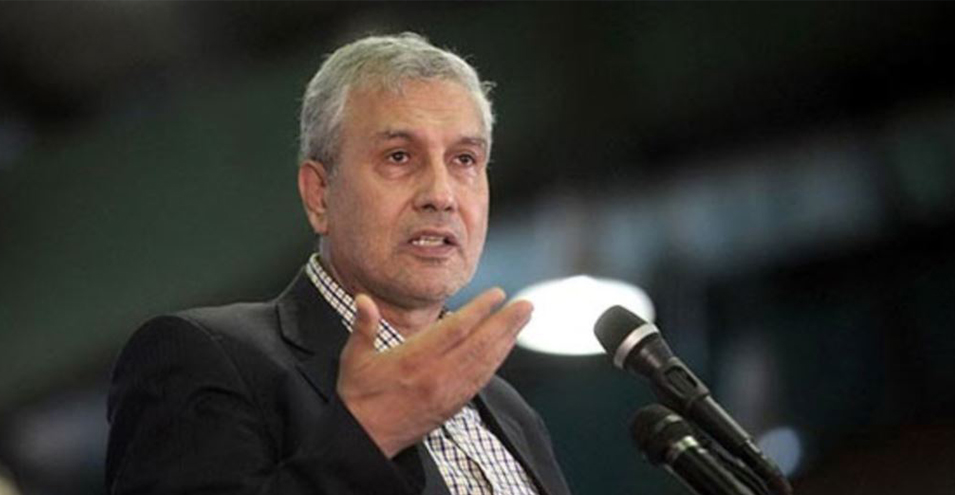
On Saturday, April 4, 2019, Mahmoud Alavi, Minister of Intelligence of the Islamic Republic of Iran, spoke at a gathering of preachers deployed during the month of Ramadan about the measures taken by his ministry to counter the trend toward “evangelical Christianity” in certain parts of Iran.
According to Human Rights in Iran, Mahmoud Alavi said, without providing details, that the Ministry of Intelligence, in cooperation with the seminary, invites individuals and institutions that work to counter Christian proselytizing and brings them to areas “affected by proselytizing propaganda.”
The Minister of Intelligence of the Islamic Republic continued, “Sometimes we are forced to take action ourselves, even though this is the seminary’s work, because faith is weakened by doubt and strengthened by pressure. Therefore, seminary scholars can weaken deviant beliefs with their doubts.
According to Mr. Alavi, in one of the cities in Hamadan, some individuals who had “ordinary” jobs such as sandwich selling had converted to Christianity, and the Ministry of Intelligence had “summoned” them.
He added: “Some of these individuals claimed they were seeking a religion that would give them peace… We told them that Islam is a religion of brotherhood and sincerity. They said that Islamic scholars constantly speak against one another. If Islam is a religion of intimacy, it should first create sincerity and intimacy among its own scholars.”
In recent years, a number of evangelical Christians have been arrested and sentenced to long prison terms. In many cases, these individuals have been accused of “acting against national security through establishing and participating in house churches.”
Since the victory of the revolution in February 1979, at least six church leaders in Iran have been killed, and hundreds of Christians have been interrogated and imprisoned.
Furthermore, the printing of the Christian Bible in Persian has been banned, some churches have been closed, and church services in Persian have been prevented.
It should be noted that although Christians are officially recognized as a religious minority according to the law, security agencies pursue the issue of Muslims converting to Christianity with particular sensitivity and use coercive measures against activists in this field.
The suppression of religious dissidents in Iran violates international human rights documents, including Articles 18 and 19 of the Universal Declaration of Human Rights, as well as Article 18 of the International Covenant on Civil and Political Rights adopted on December 16, 1986, which recognizes individuals’ right to change religion and practice religious rites without fear and grants religious freedom to individuals without restrictions.
Source: Human Rights in Iran