Plan by 50 Representatives to Redefine Political Crime and Prevent ‘Security-Based Case Fabrication’
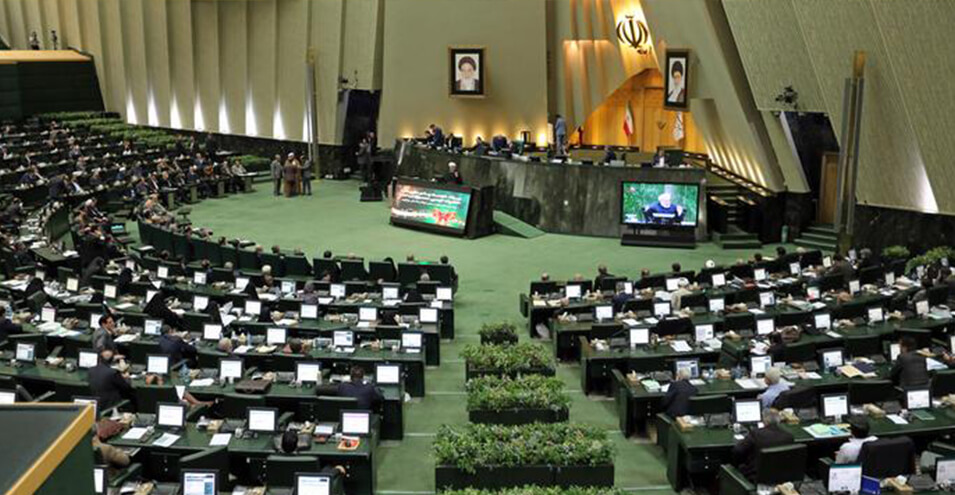
A group of parliament representatives has prepared a plan that, if approved, would redefine political crime with new criteria and grant political defendants greater rights. Representatives hope this move will prevent “security-based case fabrications.”
The new plan, titled “Amendment to the Law on Political Crime,” was presented to the Presiding Board of the Islamic Consultative Assembly on Sunday, January 27, and its drafters are seeking to “standardize” the definition of political crime with the goal of “combating” political case fabrications, granting “chosen counsel” to political defendants from the first hours of arrest, and “reducing temporary detention time” for political defendants.
This amendment deems it necessary to make “changes” and amendments to articles one, four, and six of the political crime law, which was approved by representatives in the final months of the ninth parliament’s activity (February 2016).
New Rights for Political Crime Defendants
The main objective of the amendment to the political crime law, submitted to the Presiding Board with the signatures of nearly 50 representatives, has been stated as providing a structured definition of political crime and “closing the door to case fabricators.”
Bahrouz Nemati, spokesman for the Presiding Board, told the Tehran edition of Hamshahri newspaper that having chosen counsel rather than appointed counsel for arrested political figures and party and political activists from the moment of arrest, converting all sessions of political defendants and arrested persons into meetings with a jury panel, and reducing temporary detention time to a maximum of one month are among the most important amendments considered in the representatives’ plan.
He described this plan as “an effective and forward-looking measure on the 40th anniversary of the revolution,” which he believes demonstrates that “we recognize legal standing for different political figures and judge their actions fairly.”
Article one of the political crime law defines as political crimes: insults or slander against the heads of the three branches of government, the head of the Expediency Discernment Council, vice presidents, ministers, members of the Islamic Consultative Assembly, representatives in the Assembly of Experts, and members of the Guardian Council; insults to the head or political representative of a foreign country; crimes listed in the law on party activities; crimes stipulated in election laws; and spreading falsehoods if committed with the motivation of reforming state affairs against political management and institutions or domestic or foreign policies without the perpetrator intending to strike at the system itself.
Combating Security-Based Case Fabrications
The amendment to the political crime law was submitted to the Presiding Board amid claims by some signatories that deficiencies in the definition of political crime are responsible for shortcomings in the criminal prosecution process and consequently “neglect” by judicial authorities.
Alireza Rahimi, a member of the Presiding Board and member of the Hope faction, has considered a precise definition of political crime and amendment of its “categories” as a way to combat political case fabrications: “For example, the charge of disturbing public opinion is a matter that could be considered a general crime and should not necessarily be considered a political or security crime, or in some categories like espionage or system overthrow, although they are security-related, they cannot be brought under the definition of political crime merely because of their security nature.”
Currently, a large number of ideological-political convicts, as well as journalists, civil activists, and human rights advocates in Iran are serving their sentences on charges of disturbing public opinion and propaganda against the system.
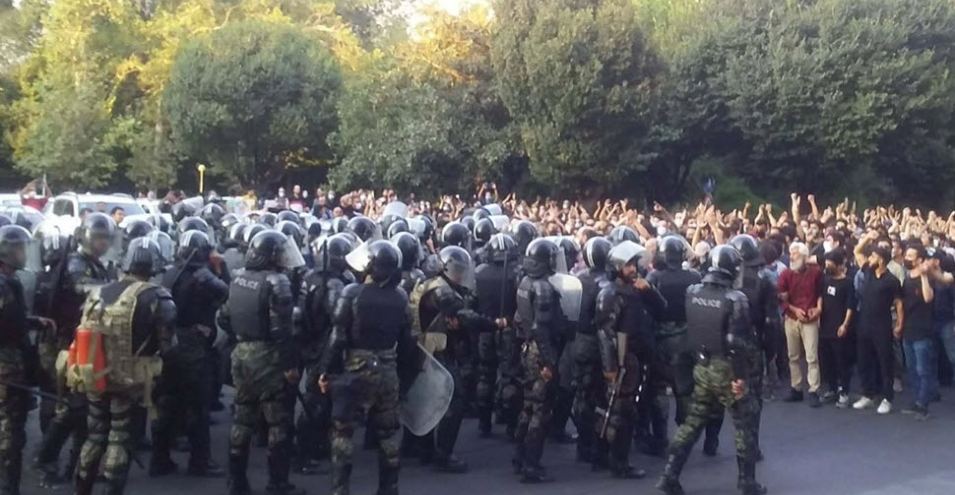
Amnesty International recently released a report stating that Iranian government authorities in 2018, following waves of nationwide protests against poverty, corruption, and authoritarianism in Iran, launched a “shameless” campaign of suppressing protests and arresting thousands of protesters.
Amnesty International on January 24, 2019 released this report, revealing “a new face of the extent of repression by Iranian authorities.”
Safeguarding Civic and Social Rights
The drafters of the amendment to the political crime law have stated that recognition of civic rights, respect for defendants’ rights, and combating security-based case fabrication are among their concerns, and these matters should not result in depriving defendants of their social rights.
In its recent report, Amnesty International addressed the issue of intensified racial discrimination and deprivation of religious and ethnic minorities in Iran, emphasizing that Iranian authorities, by arresting and imprisoning hundreds of citizens from religious and ethnic minorities, have deprived them of education, employment, and other services.
In the amendment by 50 parliament representatives, it is stated that a distinction must be made between general and security crimes so that “every crime cannot be added to the category of political crimes. Security crimes should not be defined within political crimes so as to acquire a security aspect.”
In article six of the political crime law, the right to meet and correspond with first-degree relatives during imprisonment and the right to access books, publications, radio, and television during imprisonment are specified.
The drafters of the amendment to the political crime law provided no explanations regarding their proposed amendments and how these amendments would be implemented.
Amnesty International has characterized the detention of over 7,000 protesters, including students, journalists and media activists, environmentalists, workers and human rights defenders, lawyers and women’s rights advocates, minority rights activists, and labor unions and trade unions in 2018 as a “shameless” campaign by the Islamic Republic of Iran.
Source: DW