Special Economic Court Sentences Three Major Currency and Coin Buyers to Death
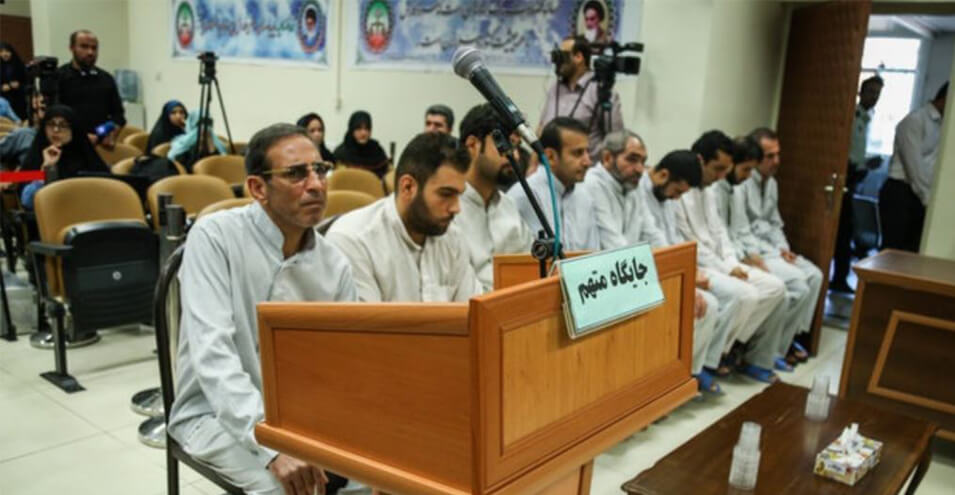
Despite legal criticisms regarding the formation of the “Special Court to Combat Economic Corruption,” the Judiciary Spokesman of the Islamic Republic announced the issuance of death sentences for three defendants charged with disrupting the economic system by this court.
Gholamhossein Mohseni Eje said on Monday, October 9, to IRNA news agency that Hamid Bagheri Darmani, Vahid Mazloumian (nicknamed “Coin Sultan”) and Mohammad Ismail Qasemi (defendant in Vahid Mazloumian’s case) have been sentenced to death by the special court.
According to him, these individuals have been sentenced to death on charges of “corruption on earth.” Their sentences are subject to appeal in the Supreme Court of the country.
Mr. Eje also announced the conviction of 32 other defendants in the economic disruption case to prison sentences ranging from one to 20 years and flogging. Among them, five defendants have been sentenced to 20 years in prison. In addition to these individuals, 15 others have been tried on charges of disrupting the mobile phone sales market, but their verdicts have not yet been issued.
Legal Ambiguities Surrounding Economic Death Sentences
The issuance of death sentences and heavy prison terms comes at a time when, in the cases of Vahid Mazloumian and Mohammad Ismail Qasemi related to coins, according to legal and economic experts, bulk purchasing of coins and their storage is not considered a crime under the law.
Vahid Mazloumian has been accused of purchasing and storing thousands of coins, equivalent to two tons, from the market.
Beyond the fact that buying and storing coins is not a crime, another point in the case is that this defendant was buying some of the coins from the Central Bank.
Another point in the case is the trial of defendants in the specially formed “Combat Economic Corruption” court, which does not meet the conditions for a fair and just trial; including that, except for death sentences, other preliminary rulings of this court are final and cannot be appealed. Death sentences can only be appealed once through the Supreme Court.
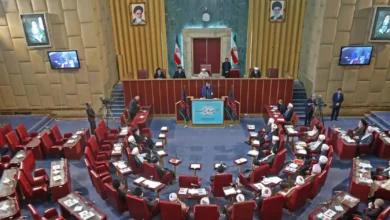
The Special Courts to Combat Economic Corruption were established in August of this year following a proposal by the Head of the Judiciary and approval by Ayatollah Khamenei, in response to a sharp increase in currency and coin rates in Iran’s market and reports of misuse of government-backed currency for imports.
At the request of the Head of the Judiciary and with the approval of Ayatollah Khamenei, this court issues verdicts quickly and executes them without any possibility of appeal.
The issuance of harsh sentences for these defendants comes while Valiollah Seif, former Central Bank governor, who was accused of mismanagement and incorrect decisions in managing the currency and coin market, was merely dismissed from his position, and Ahmad Araghchi, the Central Bank’s currency deputy who had been arrested, was released on bail.
Judicial and security action against currency and coin dealers began in spring this year, following a sharp increase in dollar and coin rates. The government and judiciary accuse dealers and some buyers of collecting dollars and coins from the market and creating psychological pressure to increase prices.
Source: Voice of America