Arrest of Several Iranian and Afghan “ISIS” Members in Mashhad
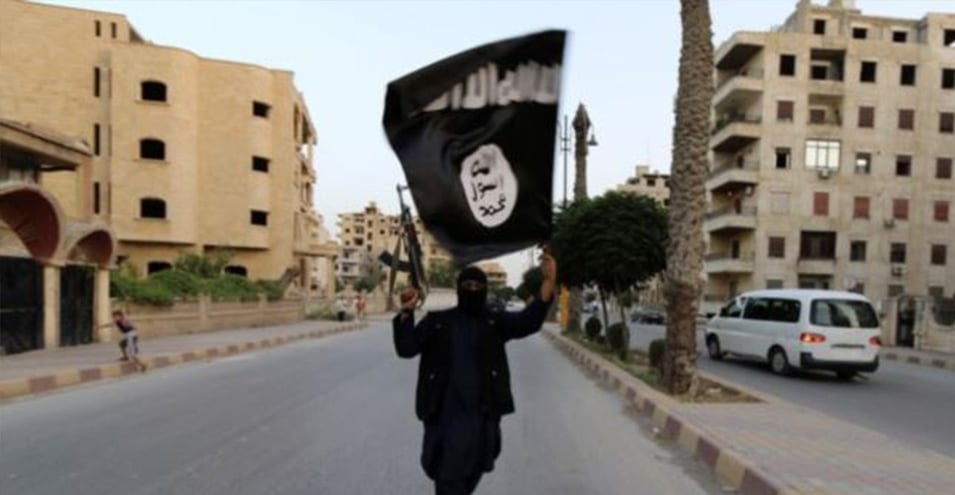
The Deputy Prosecutor of Mashhad announced that 21 Iranian and Afghan “operatives” of the Islamic State group, ISIS, who intended to carry out “suicide operations” in Iran have been arrested in the city of Mashhad.
Hasan Haidari, the Deputy Prosecutor, in an interview with the Thursday, July 6 edition of Khorasan newspaper, without mentioning the exact number, stated that some of the detainees are Iranian and some are Afghan, and these individuals “entered the country through forged and misused documents.”
Mr. Haidari announced that these individuals “entered the country after receiving military and suicide training or swearing allegiance to ISIS leaders.”
He also stated without going into details that some of these detainees had previously “carried out operations and activities in favor of ISIS outside the country.”
According to Mr. Haidari, during interrogations it became clear that these individuals “intended to carry out various operations such as infiltration or suicide operations.”
The Deputy Prosecutor of Mashhad did not provide further details about the arrest of these individuals.
The attacks on Wednesday, June 7, in Tehran were described as “infiltration” operations.
As described in reports, in an “infiltration” operation, members of the Islamic State group initially engage in firefights and kill people with weapons, and when there is a risk of their capture, they detonate themselves.
The parliament building and the mausoleum of Ayatollah Khomeini in Tehran were targeted by two simultaneous attacks on June 7, and hours later the Islamic State group, ISIS, claimed responsibility for them.
In this attack, 17 people were killed and more than 50 others were wounded.
After that, Iranian security and judicial officials announced that they had arrested dozens of people in the provinces of Alborz, West Azerbaijan, Fars, Kermanshah, and Kurdistan.
Meanwhile, Ahmad Reza Pourdastan, the Deputy Commander of the Iranian Army, on Wednesday, June 28, announced that “to date, 60 terrorist groups” have entered Iran, but “none” of them have succeeded.
Mr. Pourdastan made no reference to the dates when these groups entered Iran.
In this regard, on Saturday, June 24, after the sound of gunfire was heard at Mehrabad Airport, Mohsen Hamadani, the Security Deputy of Tehran’s Governor, announced that a drill for “countering terrorist activities” was held in Hall Four of the airport.
Three days later, Iranian media reported the death of Mahdi Yazdi, an airport security officer, during this “drill,” and the public relations office of the Islamic Revolutionary Guards Corps command also confirmed it.
Nevertheless, the Islamic Revolutionary Guards Corps provided no clarification about the details of this incident.
The Islamic Revolutionary Guards Corps also announced on June 19 that in retaliation for the Tehran attacks, it had targeted one of the Islamic State group’s centers in Deir ez-Zor, Syria with its missiles.
The number of missiles fired was reported as six, and the Islamic Revolutionary Guards Corps considered this operation “successful,” although the Haaretz newspaper reported, citing Israeli military officials, that out of the total missiles fired, only two missiles hit their intended targets.
Meanwhile, the office of the Leader of the Islamic Republic, two weeks after this incident, released a report of a meeting between Islamic Revolutionary Guards commanders and Ayatollah Khamenei, which according to the office took place only hours after the attack.
Ayatollah Khamenei “commended” this action in the meeting and called for the expansion of Iran’s missile program.
Source: Radio Farda