Safe Injection Rooms for Drug Abuse: A Solution to the Problem?
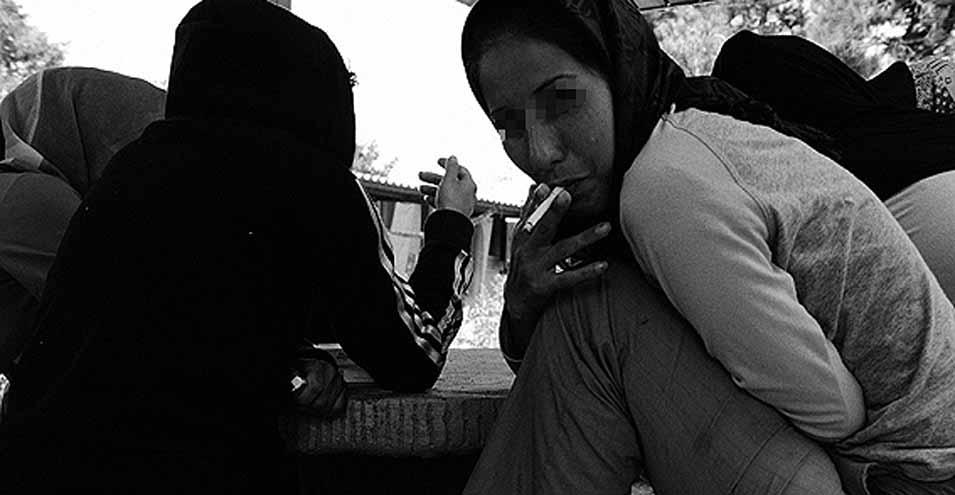
Mehr News: An addiction expert believes that establishing injection rooms under current conditions is like painting a dilapidated and collapsing building, which does not yield significant benefits and can be harmful in the absence of complementary programs.
The Welfare Organization of the country is determined to pilot safe injection rooms in three provinces. According to the deputy of prevention and addiction at the Welfare Organization, these rooms will be launched experimentally in three provinces: Kerman, Khuzestan, and Sistan and Baluchestan. Mohsen Roshan Pejuh stated that the Welfare Organization has reviewed different models of managed consumption facilities at the global level and is preparing conditions to pilot this program in Iran. He has asked the heads of welfare departments in the provinces where the plan will be implemented to examine whether, considering the social, cultural, legal, economic, and administrative considerations of their provinces, it is possible to establish safe injection rooms there or not. He estimated that the pilot of this plan could begin within the next two months in these provinces; however, some addiction experts believe that establishing injection rooms is not the current need of the country, and considering the lack of budget in harm reduction, spending on launching safe injection rooms does not seem logical.
Ali Shafiei is one of the experts opposed to implementing this plan under current conditions. While he says that injection rooms are one of the good and useful parts of harm reduction programs, he believes that considering the circumstances, it should be examined which programs are more cost-effective for the country and which beneficiaries would benefit more from them, and then proceed accordingly. He says establishing injection rooms under current conditions is like painting a dilapidated and collapsing building, which does not yield significant benefits.
Part of this addiction expert’s conversation with Mehr News Agency is as follows:
What actions are supposed to take place in these safe rooms?
Of course, the details of this program have not been announced yet, but safe injection rooms are considered part of addiction harm reduction measures. Harm reduction measures refer to interventions and services provided to individuals who have not yet become ready to quit substance use, so that the harms and dangers resulting from use that affect themselves or others are reduced.
Can harm reduction programs reduce complications and problems despite substance use?
The addiction harm reduction program attempts to reduce individual and social complications despite substance use by users; for example, by providing sterile, single-use syringes and needles and contraception supplies, it reduces the likelihood of transmission of infectious diseases such as hepatitis and AIDS to the individual and others, or by providing food and overnight shelter for homeless addicts, it provides some of their basic needs in the most elementary form possible. These services are provided by clinics called harm reduction transition centers, some of which are equipped with overnight accommodation for the homeless. These centers have teams that bring harm reduction services to user gathering places and provide services to those present there who are not willing to visit a harm reduction center. Of course, another important part of the services of transition centers is the provision of substitute drugs such as methadone, which are prescribed to patients under medical supervision under lenient conditions and can gradually reduce their need for substance use and replace it.
Where does the injection room fit into this program?
Aside from factors such as drug impurity mentioned above, when substance use takes place in inappropriate environments and conditions of gathering places—for example, in cold weather, unsafe spaces, lack of access to medical and emergency facilities, or without the presence of other people who could help if problems arise—it creates more problems for the user and may even result in acute poisoning, overdose, or overdose death. On the other hand, the presence of addicts with inappropriate appearances in public places and substance use in public environments also has social consequences. Therefore, in some countries, to control these problems, spaces are usually set up alongside the aforementioned transition centers where a person can use their substances in more appropriate environmental conditions and with safer tools and, if needed, receive medical and support services. This service can, along with various other services provided such as food, clothing, shelter, medical services and social assistance, and the like, help attract and retain the person in rehabilitation programs and lead them to higher stages of recovery.
Final word?
The Drug Control Law explicitly obligates the Welfare Ministry to provide addiction treatment and support services for poor addicts and to provide addiction treatment insurance coverage for all patients. It also provides the legal possibility for overt addicts, mainly the poor—those who have committed misconduct due to addiction—to be referred to treatment centers for treatment instead of being collected from the streets and kept in camps. If the authorities responsible for managing addiction and social harms in the country want to respond to the demands of senior officials of the country for implementing “extraordinary measures” to address social harms and addiction, and of course fulfill their legal duties, it would be better to instead of “extraordinary” and loud efforts such as launching injection rooms, devote their extraordinary efforts to implementing outstanding tasks within the framework of tested programs and unused existing capacities.
Source: Online News