How Does a Person Turn to Extremist Islam?
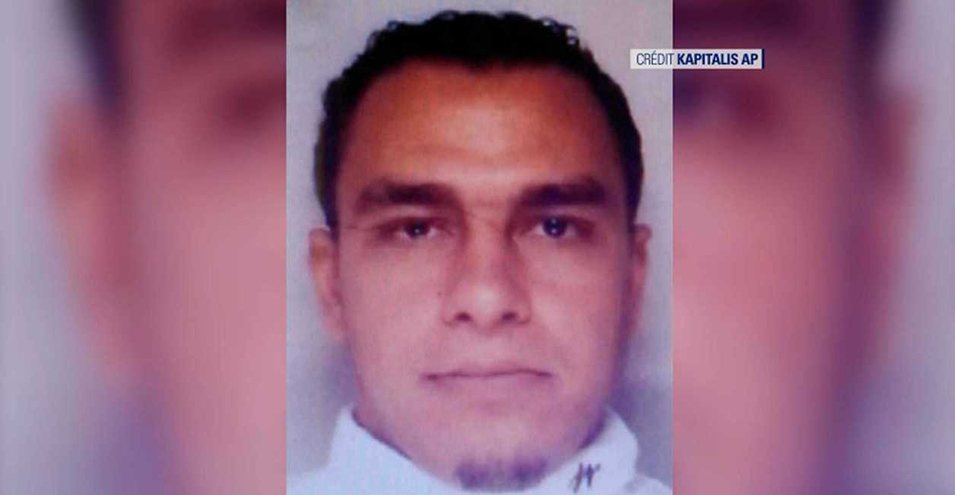
Days after the terrorist attack in Nice, the question of how “Mohamed Lahouaiej Bouhlel,” the perpetrator of the attack, turned to extremist Islamism remains under discussion and investigation. While “Bernard Cazeneuve,” France’s Interior Minister, cited some of Bouhlel’s close associates in speaking of his rapid turn to Islamism, “Shahla Shafeek,” a sociologist, questions the notion of rapid radicalization and says that the process of radicalization is complex and lengthy, and if someone rapidly turns to extremist acts, they have already accepted preliminary conditions.
Shahla Shafeek, in an interview with the Persian section of France’s international radio, emphasizes that examining the issue of radicalization from only a psychological perspective is incorrect, as this issue is primarily ideological and political in nature.
She continues that the issue of Islamism cannot be explained solely through psychology, and Islamism, like any other ideology, is related to psychological issues, but these psychological factors are not necessarily related to individuals’ vulnerability; rather, other problems such as narcissism may also be present.
Shahla Shafeek also states that the issue of radicalism should not be reduced merely to discrimination and injustice; some of those who turned to Islamism had not been subjected to discrimination.
This sociologist, referring to various movements in France, emphasizes that if we say that everyone who experiences discrimination turns to extremism, it is both analytically wrong and insulting to those who are discriminated against, as there are other forms of struggle as well.
Shahla Shafeek also discusses how France should approach the issue of Islamic radicalism, saying that security methods should be employed alongside educational methods.