Execution of Two Protesters Concurrent with Peace Accord Negotiations; Reza Pahlavi Reacts Sharply to Tehran Deal

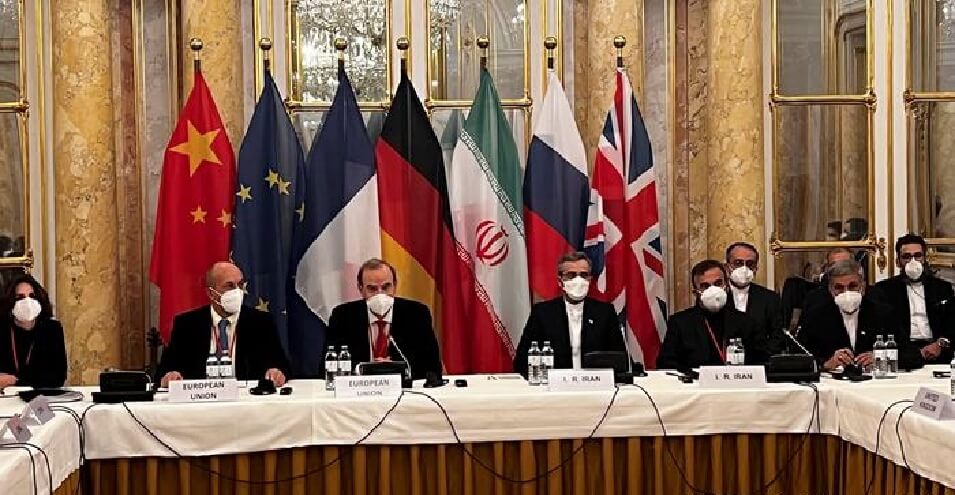
The execution of “Javad Zamani” and “Abol-Fazl Saedi,” two detainees from nationwide protests in December, took place while the Islamic Republic spoke of signing a “peace” accord—an event that once again drew the attention of human rights organizations and political activists to the deep gap between the government’s diplomatic claims and its actual conduct within the country. These two young men, who according to media outlets affiliated with the judiciary were detained in connection with protests in Shahrood, were executed today.
According to Reuters reporting citing official Iranian judicial media, Javad Zamani and Abol-Fazl Saedi were sentenced to death on charges including “waging war against God,” “corruption on earth,” “destruction of public property,” and “action against national security.” Islamic Republic officials described them as “armed leaders” of the protests—a claim that has not been independently verifiable from independent sources to date.
The execution of these two protesters on Tuesday, June 16, corresponding to June 26 in the Persian calendar, occurred amid circumstances where the widespread protests of winter 2024-2025 and December are described as one of Iran’s largest waves of public discontent in recent decades. International reports indicate the expansion of protests to hundreds of cities, widespread internet shutdowns, and violent responses by security forces against protesters.
Simultaneously, human rights organizations warned over recent months of an increase in death sentences and executions for protesters. Amnesty International and other human rights organizations have repeatedly stated that some defendants in cases related to the protests have been deprived of adequate access to lawyers, fair trial proceedings, and effective defense.
Prince Reza Pahlavi responded to the executions of Javad Zamani and Abol-Fazl Saedi by issuing a statement, characterizing the action as a result of engagement policies with the Islamic Republic:
“The Islamic Republic, while signing the ‘peace’ accord, executed two more protesters from December 18-19, named Javad Zamani and Abol-Fazl Saedi.
This is the result of dealing and compromising with a criminal regime. An agreement with a regime that killed over 40,000 protesters in just two days is not only morally wrong but strategically a catastrophic mistake.
Engagement with this regime is doomed to failure, and we will all pay the price of its consequences. The Islamic Republic’s 47-year war against the Iranian people continues. A regime that has never achieved peace with its own citizens will never achieve true peace with the world either.
The international community must support the Iranian nation’s struggle for freedom and place them at the center of every negotiation and at the heart of every policy concerning Iran. But let me be clear, with or without world support, this regime will fall and the Iranian people will free themselves from the grip of tyranny.”
These remarks come as many observers believe the increase in executions and issuance of harsh sentences against protesters is part of the Islamic Republic’s strategy to suppress widespread social discontent following recent nationwide protests. In recent months, several similar cases with security-related charges and death sentences against protest detainees had been reported.
The execution of Javad Zamani and Abol-Fazl Saedi has once again raised serious questions about the state of human rights in Iran, the process of trying political cases, and the fate of dozens of other protesters who still face the risk of death sentences being issued or carried out—questions that will likely remain in the focus of public opinion and international organizations in the coming days.