Collective Hunger Strike by Saveh Prison Inmates in Protest Against Islamic Republic’s Security Sentences
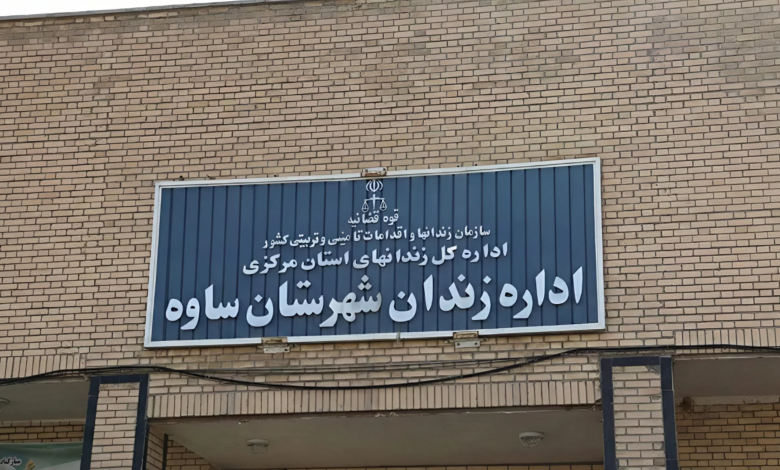
Protest against the judicial repression of the Islamic Republic is now being heard from behind the walls of Saveh Central Prison, where approximately 30 political prisoners have launched a collective hunger strike in protest against heavy sentences, unfair trial proceedings, and what they consider “security scenario fabrication” against them. This protest action has once again drawn attention to the performance of the Islamic Republic’s judicial system, an institution that critics argue has become a tool for silencing every voice of dissent rather than administering justice.
According to published reports, this hunger strike began in a coordinated manner across different wards of Saveh Central Prison on Friday, Tir 5, 1405. The protesting prisoners include detainees from last December’s protests who, after months of detention, have faced heavy prison sentences and additional punishments.
Based on information released by human rights sources, these prisoners consider the proceedings of their cases to lack the standards of a fair trial. Reports indicate that the Revolutionary and Criminal Courts of Markazi Province have issued heavy sentences against them without effective consideration of the defendants’ defenses and based on security files. Human rights sources have also claimed that some of these sentences were issued based on confessions obtained from detainees under pressure and torture.
These prisoners have been held in Saveh Central Prison for approximately six months and, according to reports received, have faced inadequate welfare and sanitary conditions during this time, restrictions on access to medical facilities, and deprivation of the right to choose an independent lawyer. Human rights activists say that the continuation of such conditions seriously threatens the physical and mental health of the prisoners.
The hunger strike by Saveh prisoners has begun at a time when in recent years, political prisoners in various parts of Iran have repeatedly used this method as a last resort for protest, an action that, according to human rights organizations, reflects the closure of legal avenues for justice and protest within the Islamic Republic’s judicial structure.
Critics of the Islamic Republic believe that the country’s security and judicial apparatus, rather than seeking truth and administering justice, has defined its mission as suppressing popular protests, creating an atmosphere of terror, and issuing deterrent sentences against protesters. From this perspective, widespread arrests, security file fabrications, and the issuance of heavy sentences against protesters are part of a policy aimed at preventing any formation of dissenting voices in society—a policy whose costs are still being paid by citizens who have only sought to peacefully express their demands.