Continued Detention of “Navid Zareh-Bin Irani,” a Bahai Citizen, in Mashhad
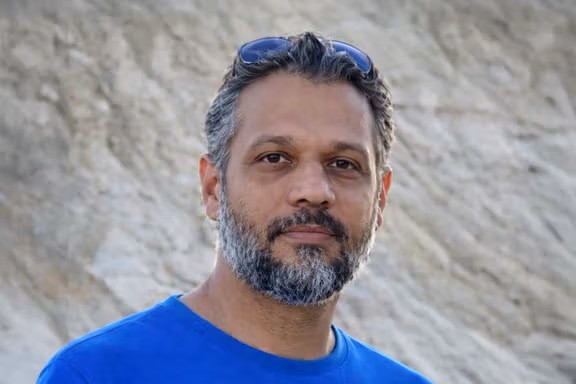
More than five and a half months after the arrest of “Navid Zareh-Bin Irani,” a Bahai citizen and photographer residing in Mashhad, he remains in detention at Vali-Asr Prison without a final verdict and under unclear circumstances. Reports indicate that despite the holding of a final interrogation session and the possibility of temporary release on bail, opposition from security agencies has prevented his release—a situation that has once again heightened concerns about the status of Bahais and the process of handling ideological cases in Iran.
Reports published by the human rights organization Hengaw show that Navid Zareh-Bin Irani, a Bahai citizen and photographer from Mashhad, remains in indefinite detention at Vali-Asr Prison after 168 days of arrest, and the judiciary has not yet agreed to his temporary release on bail.
According to the report, Mr. Zareh-Bin Irani was transferred on Tuesday, June 30, 2026 (Tir 10, 1405) to the Public and Revolutionary Prosecutor’s Office of Mashhad to present his final defense and hold the final interrogation session. However, according to informed sources, opposition from security agencies to changing his detention status has prevented his temporary release.
Navid Zareh-Bin Irani was arrested on January 16, 2026 (Dey 26, 1404) during a raid by the Ministry of Intelligence on his personal residence and in front of his teenage son. After approximately 40 days of interrogation in the Ministry of Intelligence detention facility, he was transferred to Vali-Asr Prison in Mashhad, where he continues to be held through successive extensions of temporary detention orders.
According to published information, judicial authorities have cited the “non-submission of the final report from the Ministry of Intelligence” as the reason for repeated extensions of the detention order—an issue that, according to human rights organizations, raises questions about the independence of the judicial process and the role of security agencies in judicial decisions.
Since late April 2026, this Bahai citizen has been transferred to Ward 1-6 of Vali-Asr Prison without a final sentence; a ward where political, ideological, and security prisoners are held. However, according to reports, contrary to the principle of separation of crimes, some prisoners convicted of serious crimes and even those sentenced to death are also held in the same ward.
Sources close to the case have also stated that Navid Zareh-Bin Irani, during his time in prison, has faced several confrontations with prison officials due to his positive interactions with other prisoners and humanitarian spirit. According to these sources, he has been transferred at least twice to cells with high population density and limited facilities in order to reduce his contact with other prisoners.
The global Bahai community and international human rights organizations have repeatedly expressed concerns over the past years regarding security and judicial pressures on followers of the Bahai faith in Iran. Amnesty International, Human Rights Watch, and the Office of the United Nations High Commissioner for Human Rights have repeatedly stated in their reports that Bahais in Iran face arrest, deprivation of civil rights, employment and educational restrictions, and judicial persecution because of their religious beliefs.
As of the publication of this report, the judicial and security authorities of the Islamic Republic have not released any explanation regarding the latest status of Navid Zareh-Bin Irani’s case or the reason for their opposition to his temporary release.