Reza Pahlavi Calls Sports a Forum for Iran’s People’s Narrative
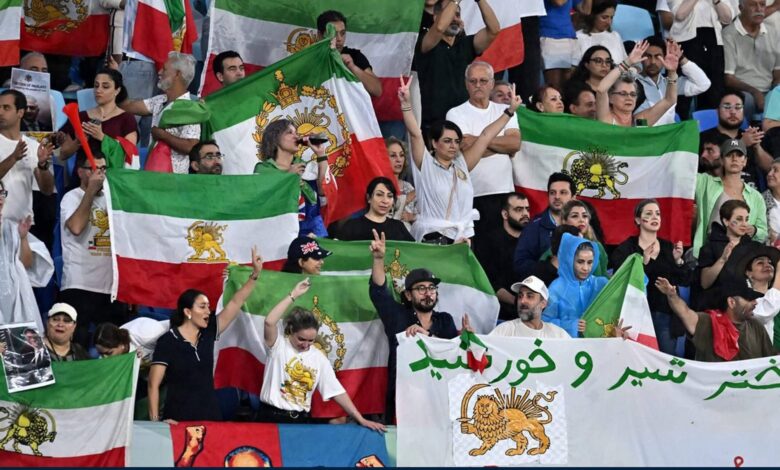
With the end of the Islamic Republic of Iran’s team’s participation in World Cup competitions, the debate over the role of sports in reflecting Iran’s political and social developments has once again become the focus of international media attention. In this context, Reza Pahlavi, by issuing a message, thanked Iranians who during the competitions brought the voice of protests, the memory of the fallen, and symbols of Iran’s national identity to the world stage, describing this event as far more than a sporting competition; a message that further reflects his positions on the connection between national identity, freedom-seeking, and popular diplomacy.
In recent years, international football competitions have not been merely sporting events for Iran, but have instead become a platform for reflecting political and social divides. International media have repeatedly reported that coinciding with Iran’s national team’s participation in global competitions, public attention has also increased regarding human rights conditions, domestic protests, and the reactions of Iranians outside the country.
In such circumstances, Reza Pahlavi, by issuing a message addressed to Iranians, thanked those who in stadiums, streets, media outlets, and cyberspace made efforts to convey the voice of the Iranian people to the world. In this message, he wrote:
“With the end of the Islamic Republic’s team’s participation in the World Cup, what will remain memorable from this event for us Iranians is the presence of fellow countrymen who transformed the World Cup stage into an opportunity to honor the memory of our nation’s immortal martyrs, to display Iran’s national flag of the Lion and Sun, and to bring our people’s voice to the world.
I thank all of you who, with unity, steadfastness, and national dignity, both inside and outside stadiums, in the streets, in the media, and in cyberspace, kept alive the name of Iran and the memory of the fallen children of our land.
You once again demonstrated that Iran is not the Islamic Republic; and Iran’s true team is the people of Iran, who stand for freedom and the restoration of their country and make sacrifices.
I believe that in the not-too-distant future, athletes in harmony with the Iranian people will represent our sports teams in global competitions under Iran’s national flag and will bring honor to our country.
Until then, we still have a duty to benefit from every opportunity, including in the continuation of World Cup competitions, to convey the voice of Iran’s people to the world; especially in days when the Islamic Republic prepares itself for lies and propaganda surrounding the burial of the greatest criminal, Ali Khamenei, and continues to try to conceal the truth.”
This position was issued at a time when many Western media outlets have also reported that football competitions have become, for segments of Iranian society and Iranians outside the country, a forum for expressing national identity and political protest. Reports of pre-revolution symbols, protest slogans, and widespread activity by Iranian users on social networks show that the World Cup was not only followed on the field of play, but had become a stage for different narratives about Iran’s future.
In Reza Pahlavi’s message, the main emphasis is on the people’s role in presenting a different image of Iran to global public opinion; an image that, in his view, is distinct from the structure of the Islamic Republic’s government and is based on historical identity, national solidarity, and demands for freedom. This perspective is also consistent with his previous positions; positions in which he has repeatedly emphasized the distinction between “the Iranian nation” and “the Islamic Republic’s government” and supported a peaceful transition to a government based on the people’s will.
From a media perspective, this message can be seen as an effort to maintain global public attention on Iran’s developments after the end of sporting competitions; an emphasis that the end of a tournament does not mean the end of popular demands or a decrease in the importance of Iran’s narrative on the international stage. For this reason, sports, alongside digital media and civil activities, remain one of the arenas through which the voices of Iranians can transcend borders and engage global audiences in Iran’s issues.