Prince Reza Pahlavi Calls for End to “Religious Despotism” in Dutch Parliament
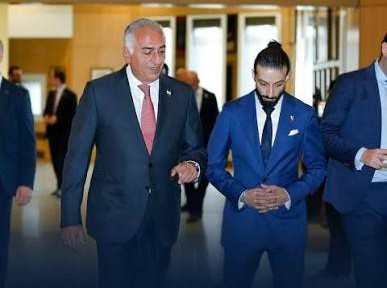
As crackdowns intensify and widespread popular protests continue within Iran, Prince Reza Pahlavi on Monday, July 6 (corresponding to 15 Tir in the Iranian calendar), took a new diplomatic step by addressing the Foreign Affairs Committee of the Dutch Parliament (Tweede Kamer) to isolate the Tehran regime and garner Western support for the will of the Iranian people. The visit comes as numerous groups of Iranian Christians and other exiled freedom advocates view fundamental changes to Iran’s political structure as the only way to end decades of religious oppression and systematic persecution of religious minorities.
In a historic appearance before the Dutch Parliament’s Foreign Affairs Committee, Prince Reza Pahlavi called on European nations to stand with the Iranian people beyond nuclear agreements. Drawing a parallel between the current struggle of Iranians and the Netherlands’ historic resistance to fascism, he emphasized that investing in democracy in Iran is a guarantee of lasting security and stability throughout the entire Middle East.
Upon arriving in The Hague, Prince Reza Pahlavi proceeded directly to the Dutch Parliament to brief lawmakers and policymakers on the fragile state of the anti-democratic Tehran regime and the high potential of the Iranian people’s national revolution. His media office simultaneously issued a statement conveying a clear message to European governments grounded in universal values of freedom and human dignity.
The official statement read: “Prince Reza Pahlavi emphasized in his address that Iranians are fighting for freedom, not a nuclear deal. Referencing the historic resistance of the Dutch people against fascism, he called on them to stand with the Iranian nation against Iran’s repressive regime.”
These remarks and historical references carry particular significance for the Christian community and international observers who have long witnessed the violation of basic human rights and severe persecution of Christians and other religious minorities in Iran. The ruling regime in Tehran, through the promotion of religious fundamentalism, has transformed the Middle East into a hub of instability, and Prince Pahlavi has repeatedly stressed in his positions that a democratic and secular Iran would end this nightmare.
After delivering his remarks to the Dutch Parliament’s Foreign Affairs Committee, Prince Reza Pahlavi referenced the main objectives of these diplomatic talks on his official social media account, writing: “Today I addressed the Foreign Affairs Committee of the Dutch Parliament. Supporting the struggle of the Iranian people for democracy is an investment in the security of the Netherlands, the stability of Europe and a Middle East that exports prosperity instead of terrorism.”
This diplomatic presence took place amid intense political maneuvering. In recent weeks, pressure and negotiations by certain international factions to cancel the invitation were underway, but the Dutch Parliament, insisting on principles of free speech and hearing the voice of democratic opposition, proceeded with the visit.
Coinciding with this meeting, hundreds of Iranians residing in the Netherlands and human rights activists gathered in the streets of The Hague and outside diplomatic institutions, raising Iranian national flags. The protesters, chanting slogans against executions and ideological persecution within the country, called for decisive and practical action from the Dutch government and the European Union, including the expulsion of Islamic Republic ambassadors and a complete halt to all dealings with terrorism.
For Iran’s Christian community and the world, these developments are a harbinger of dismantling the structures that for decades have closed churches, imprisoned religious leaders, and denied citizens the right to worship freely.