Praise for Islamic Republic Leader from Church Pulpit, After Four Decades of Suppression
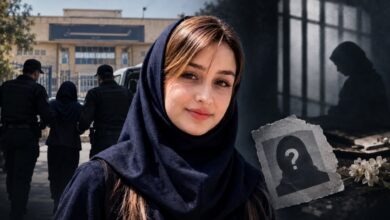
Statements by one of the leaders of the Assyrian Church in Urmia praising the former leader of the Islamic Republic have been published at a time when the Iranian Christian community has faced decades of arrests, asset confiscation, church closures, and deprivation of freedom of worship. This stance has once again raised the question of why some church leaders defend a government whose record is replete with violations of freedom of religion and belief, according to human rights organizations, while Christians continue to face severe security pressure.
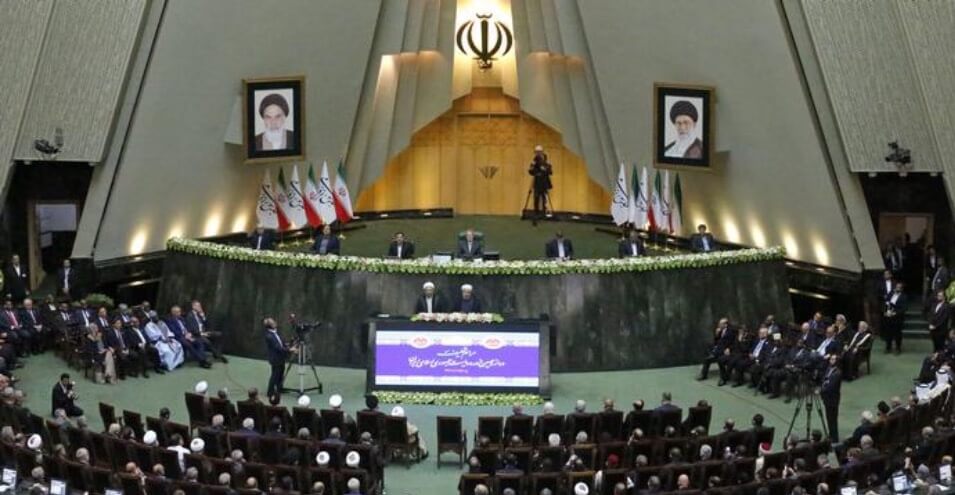
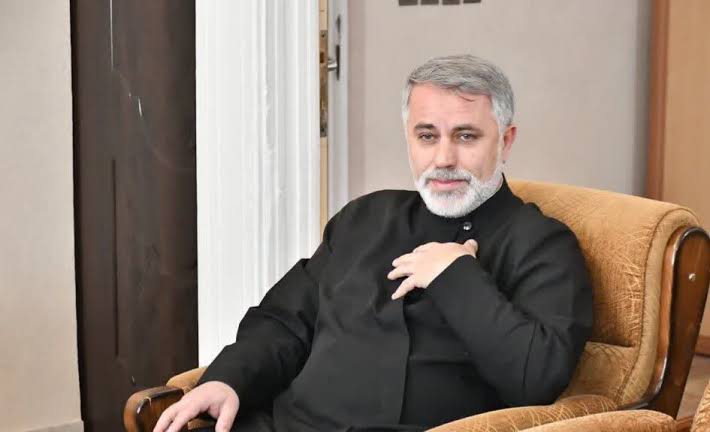
Rev. Darius Azizian, head of the Church of the East of Assyria in Urmia, described the Islamic Republic’s leader as the “beloved leader” of the Iranian nation in an interview and claimed that the presence of people at his funeral ceremony was a sign of “the love of the Iranian people” for the leader and the Islamic Republic system. He also called the ceremony “a decisive response to enemies” and claimed that the Islamic Republic leader’s path and ideology have become a model for other nations.
He further stated that the Islamic Republic’s leader, by being present alongside families of those killed from various ethnicities and religions, demonstrated that he makes no distinction between Muslims and non-Muslims and has played the role of a “father” to all.
These statements come at a time when reports from international human rights organizations, institutions defending freedom of religion, and specialized Christian media outlets have repeatedly reported in recent years on widespread violations of Christians’ rights in the Islamic Republic. The arrest of Christian citizens, lengthy prison sentences, closure of Persian-language churches, prohibition of freely holding worship ceremonies, and security pressures against church leaders are only part of this record.
One of the most significant examples of this policy is the gradual confiscation of church and Christian institution assets since the 1357 (1979) Revolution. In recent years, the Islamic Republic has intensified the process of seizing the historical properties of churches, including the forced evacuation of the historic complex of the Church of Saint Peter in Tehran and concerns about the future of this historical building, which has sparked widespread reaction from institutions defending freedom of religion.
Alongside these cases, the destruction of the historic evangelical church in Mashhad, the arrest and conviction of Christian citizens, and continuous pressure on Christians converted from Islam demonstrate that restrictions against the Christian community have not only failed to decrease but have taken on new dimensions in recent years.
Critics believe that over the past four decades, the Islamic Republic has only approached leaders of religious minorities when it needed to demonstrate national unity or gain legitimacy on the domestic and international stage. During such periods, government media have sought to present an image of religious coexistence in Iran by highlighting the support of certain religious figures—an image that, according to human rights organizations, does not align with the reality of life for many Iranian Christians.
Meanwhile, Rev. Darius Azizian’s statements have met with critical reactions from some Christian activists and human rights defenders. They question how one can praise a government with such language—a government that has closed churches for years, confiscated Christian assets, imprisoned Christians, and restricted freedom of worship.
Some Christian activists believe that definitive judgment cannot be made about the motives behind such positions without knowledge of behind-the-scenes circumstances. Security pressures on the leaders of formal churches in Iran have a long history, and it is suggested that some of these statements may have been made in an atmosphere fraught with threats and restrictions on expression. Conversely, another group believes that silence or support for the government, for whatever reason, cannot ignore the suffering of thousands of imprisoned Christians, exiles, those deprived of worship, or families whose assets have been confiscated over the years.
Ultimately, what makes these statements more controversial is the obvious gap between the government’s official narrative and the documented reality of the lives of many Iranian Christians—a reality that has been cited in multiple reports by international organizations, naming the Islamic Republic as one of the violators of freedom of religion and belief concerning Christians.