Islamic Republic on Course to Eliminate One of Iran’s Oldest Protestant Churches
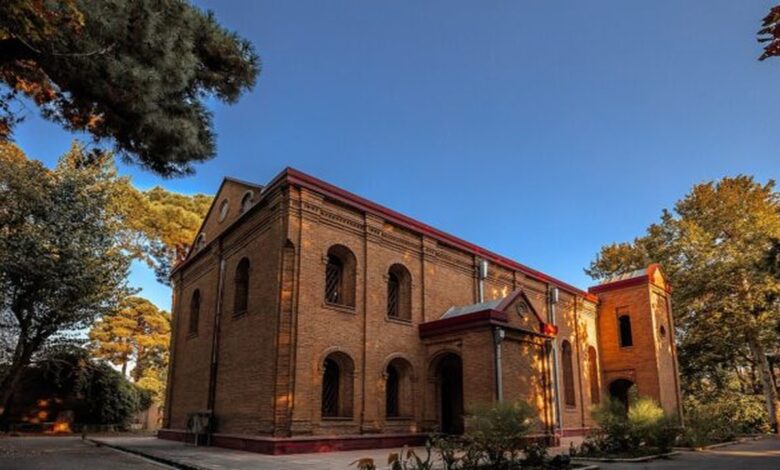
As pressure against Iranian Christians intensifies in recent weeks, one of the country’s oldest centers of Protestant Christianity now faces complete confiscation. The forced evacuation of residents from the historic complex of St. Peter’s Church in Tehran is not merely a property matter, but rather the latest chapter in a policy that over the past four decades has systematically curtailed the public presence of Christians in Iran through closure of Persian-language churches, detention of Christian citizens, and confiscation of church properties.
The evacuation process of the historic complex of St. Peter’s Evangelical Church in Tehran, considered one of Iran’s oldest Protestant churches, has entered its final stage. Reports published by religious freedom advocacy organizations indicate that Armenian and Assyrian families residing in this complex, some of whom have lived there for decades, have been forced to abandon their homes, and church members have been notified that they must seek worship services elsewhere.
According to published documents, this action is based on a ruling issued by the Revolutionary Court in 1998 that provided for the transfer of the entire church complex, including the historic building, schools, and residential units, to the “Imam Khomeini’s Executive Headquarters.” The Council of Evangelical Churches in Iran only learned of this ruling years later and attempted to challenge it, but according to international sources, the Islamic Republic refused to renew the council’s legal registration, effectively eliminating any possibility of legal action.
St. Peter’s Church, built by Presbyterian missionaries in the 1870s, was one of the most important centers of worship and religious activities for Iranian Protestants for nearly a century and a half. The historical and religious significance of this complex has heightened concerns about the possible change of use or destruction of this Christian heritage.
Meanwhile, reports indicate that security forces have also increased their presence at the complex in recent days. According to sources from Article 18 Organization, six Ministry of Intelligence officers have spent hours at the church compound and told residents: “We have come so you can get used to our presence.”
Rev. Sargiz Benjamin, a former church official, has also warned about the situation of resident families, stating: “They have no chance to continue living without church support.” He also announced that church officials have been threatened with detention if families refuse to evacuate.
Pressure on St. Peter’s Church comes just weeks after the destruction of the Persian-language Evangelical Church in Mashhad, an incident that triggered a wave of protests from international religious freedom organizations. Simultaneously, the confirmation of heavy prison sentences for several Christian citizens and the continued detention and pressure on Muslims converted to Christianity paint a picture of the intensifying policies of the Islamic Republic against Iran’s Christian community.
The World Council of Churches (WCC) has also expressed deep sorrow and serious concern through a statement regarding these developments and called on the Islamic Republic to immediately halt any action leading to confiscation, transfer, destruction, or change of use of church properties. The council has also called for an end to all threats, intimidation, and legal and administrative pressure against leaders, staff, residents, and members of the evangelical community.
Human rights experts believe that what is happening to St. Peter’s Church today is not merely a property case, but rather a continuation of a process that began after the 1357 Revolution with restrictions on Persian-language churches and continued in subsequent years with detention of Christians, confiscation of church properties, and closure of Christian religious centers. Many observers view these actions as part of a policy to gradually eliminate the public presence of Christians in Iran—a process that has now reached one of the country’s most important Christian historic structures.