Isfahan Appeals Court Upholds 21-Year Prison Sentence for Mohammad Aabedraftaar, December Protester

Continuing the wave of judicial measures against protesters in Iran, Branch 47 of the Isfahan Provincial Appeals Court has upheld a sentence of 21 years imprisonment and two years of residency ban for Mohammad Aabedraftaar, one of those detained during the December 2025 protests. The ruling comes as human rights organizations report an escalation in the issuance of heavy sentences, executions, lengthy prison terms, and organized suppression of opponents by the Islamic Republic following recent protests.
The confirmation of the severe 21-year prison sentence for Mohammad Aabedraftaar, a detainee from the December 2025 protests, has once again drawn the attention of human rights organizations to the increasing judicial proceedings against protesters in the Islamic Republic. According to published reports, Branch 47 of the Isfahan Provincial Appeals Court upheld the verdict issued by the lower court without modification, and the case has been referred to the enforcement branch for execution of the sentence.
According to the ruling, Mohammad Aabedraftaar was convicted on multiple charges: one year imprisonment for “propaganda activity against the system,” five years for “incitement and inducement to war and killing,” five years for “gathering and conspiracy to commit crimes against national security,” and ten years imprisonment for “attempting to manufacture Molotov cocktails” with intent to cooperate with hostile states. Additionally, the court sentenced him to two years of residency ban from Isfahan Province.
Mohammad Aabedraftaar, born in 1997 and a resident of Shahin Shahr, Isfahan, was arrested by security forces on December 18, 2025, and after approximately two months of detention, was released on a five billion toman bail pending trial. His case was heard in the Criminal Court of Shahin Shahr, which occurred due to the absence of an independent Revolutionary Court branch in the district, although the charges presented typically fall under the jurisdiction of Revolutionary Courts.
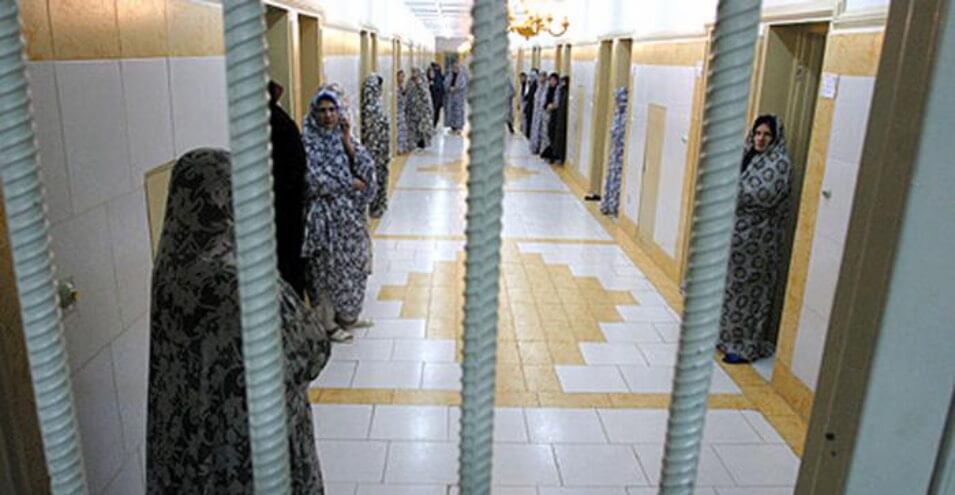
This case has reached the execution phase at a time when reports issued by human rights organizations indicate that following the December 2025 protests, the Islamic Republic’s judiciary has noticeably intensified the issuance of heavy sentences against detainees. In recent months, in addition to lengthy prison sentences, reports have also been published regarding the issuance and execution of death sentences, flogging, and other severe punishments against some protesters.
Human rights activists believe that the Islamic Republic has long used detention, prosecution, and security pressures to silence the voices of opponents; however, according to their assessment, this process has become more visible and widespread following the December 2025 protests.
In recent months, human rights organizations have repeatedly warned of the increase in death sentences, lengthy prison terms, torture, banishment, forced disappearances, and restrictions on access to fair trial proceedings in political cases, considering these measures as signs of intensified oppression policies against opponents in Iran.
Meanwhile, international organizations and human rights defenders have repeatedly called on officials of the Islamic Republic to abide by their commitments under international human rights laws and treaties, cease issuing heavy sentences against protesters, and guarantee citizens’ rights to freedom of expression, peaceful assembly, and fair trial proceedings.