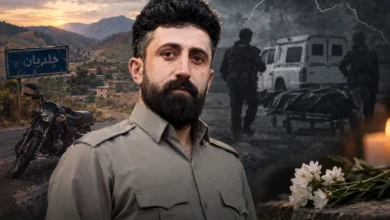
Beating of Sunni Muslim Prisoner in Lakan Prison; Officials’ Silence Over Hamzeh Darvish’s Condition
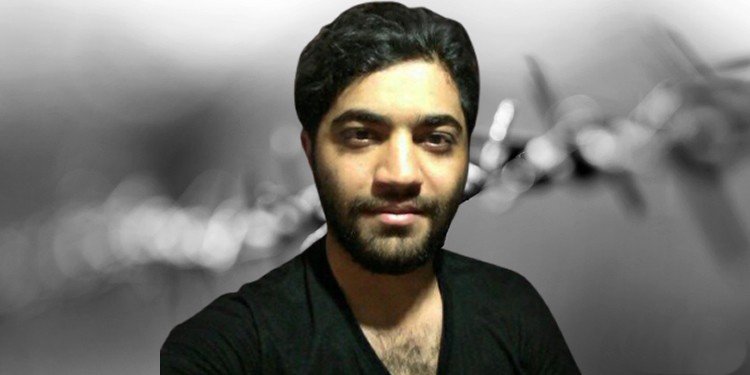
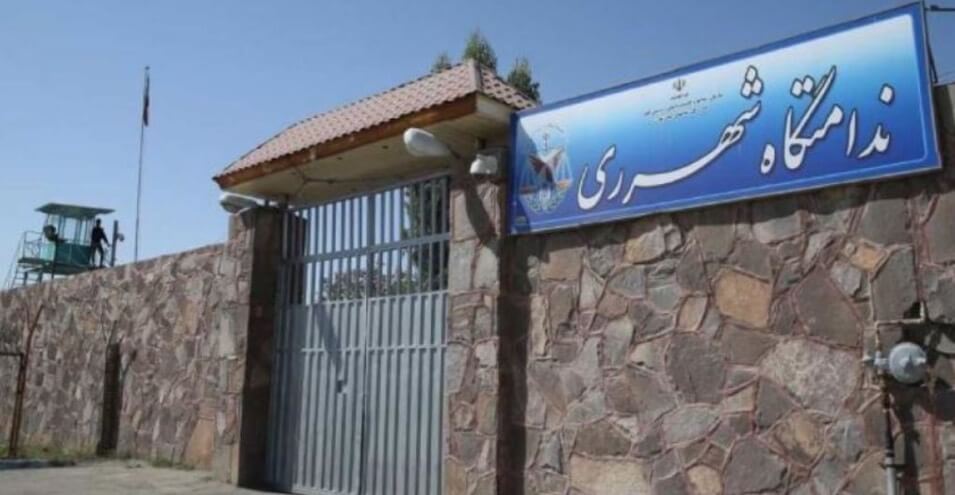
“Hamzeh Darvish,” a Sunni Muslim prisoner held in Lakan Prison in Rasht, has been hospitalized in the prison clinic following severe beatings by prison staff, according to statements from a source close to his family. His family has had no contact with him since Sunday, and prison officials have refused to provide any explanation regarding his physical condition.
Hamzeh Darvish, a Sunni Muslim prisoner detained in Lakan Prison in Rasht, was beaten and hospitalized in the prison clinic following the distribution of an audio file criticizing prison conditions, according to a report by Hrana news agency. This case has once again raised concerns about the Islamic Republic’s treatment of prisoners of conscience and critics of government policies.
According to Hrana, a news agency of a coalition of human rights activists in Iran, Hamzeh Darvish’s family has had no contact with him since Sunday. According to the family, their repeated attempts to reach the prison have not resulted in receiving clear information about the prisoner’s physical condition.
An informed source close to Hamzeh Darvish’s family said about his condition: “Since Sunday, Hamzeh has had no contact with his family. The family has called the prison multiple times during this period, but prison officials told them that he has no problems and is not contacting the family himself. On Thursday evening, one of Hamzeh’s cellmates who had been on leave contacted the family and reported that Hamzeh was severely beaten on direct orders of senior officials of Gilan Province’s prisons and Lakan Prison, and has been hospitalized in the prison clinic since that day.”
According to released information, Hamzeh Darvish on Sunday, the 11th of Mordad, in an audio file from inside the prison, criticized the performance of officials in the Gilan Province Prison Organization and the management of Lakan Prison in Rasht, and spoke about issues including mismanagement and violations of prisoners’ rights.
According to a source close to his family, on Monday, the 12th of Mordad, the head of prisons in Gilan Province and the head of Lakan Prison visited Hall 8 where Hamzeh Darvish was being held, and a verbal altercation occurred between them and the prisoner.
This informed source continued: “After Hamzeh Darvish’s audio file was released from inside the prison, on the morning of Monday, the 12th of Mordad, the head of prisons in Gilan Province and the head of Lakan Prison went to Hall 8, where he was being held, and a verbal altercation took place between them and this prisoner. Hours later, a number of prison security and intelligence officers along with several soldiers entered the room where he was being held and intended to take him away. Hamzeh resisted the transfer, and the officers severely beat him. The severity of the injuries was such that prisoners used a stretcher to transfer him to the clinic. Furthermore, Hamzeh Darvish’s personal belongings have been removed from Hall 8, and it is suspected that he will not be returned to this hall and will be transferred to another ward or prison.”
If this account is confirmed, the temporal connection between the release of the critical audio file and the alleged violent treatment of this prisoner raises serious questions about how prison officials deal with prisoner protests and the expression of criticism regarding prison management.
Hamzeh Darvish, a resident of Talesh, has been held in Lakan Prison in Rasht since 2020. He was previously sentenced to 14 years in prison in a case that was reduced to 10 years and six months upon appeal in Mordad 1403. He had previously served another lengthy prison sentence.
Darvish had previously stated that in 2014, members of a fundamentalist group based in Syria deceived and transported him to Turkey and then took him to Syria. He also stated that he was imprisoned by ISIS for a period and, after receiving a safe passage letter from the Iranian embassy in Turkey, returned to Iran and turned himself in to security forces.
Nevertheless, according to human rights sources, this background led to the opening of a legal case against him. Hamzeh Darvish’s case cannot be examined only from the perspective of an individual prisoner’s condition, but raises once again the question of how the Islamic Republic treats citizens who face pressure due to religious beliefs, expression of opinion, or criticism of the power structure.
Iran’s Sunni community has for years expressed concern about religious discrimination and limitations, particularly regarding freedom of worship, religious activities, and security treatment of Sunni activists. In such circumstances, reports of a Sunni Muslim prisoner being beaten following the release of a critical audio file, if confirmed, present a troubling picture of the condition of prisoners of conscience in Iran.
What adds to these concerns is the family’s lack of information about Hamzeh Darvish’s physical condition and the absence of transparent information from prison officials. The right of family members to be informed about the condition of their loved ones, especially when reports about physical injury to a prisoner have been released, is a serious matter in terms of human rights and the accountability of prison authorities.
While the Islamic Republic presents itself as a defender of Islam, treatment of a Sunni Muslim prisoner and critic, if the published reports are accurate, raises an important question to the public: “Why should expressing criticism and holding a different religious belief be a pretext for pressure, threats, or violence in prison?”
Hamzeh Darvish’s case now requires immediate clarification regarding his physical condition, his place of detention, and the reason for his hospitalization in the prison clinic. Furthermore, any allegations of beating should be investigated independently and impartially, and if proven, the responsible officials must be held accountable.