Execution of Lashing Sentence for Parasto Ahmadi: Punishment for Singing and Artistic Expression
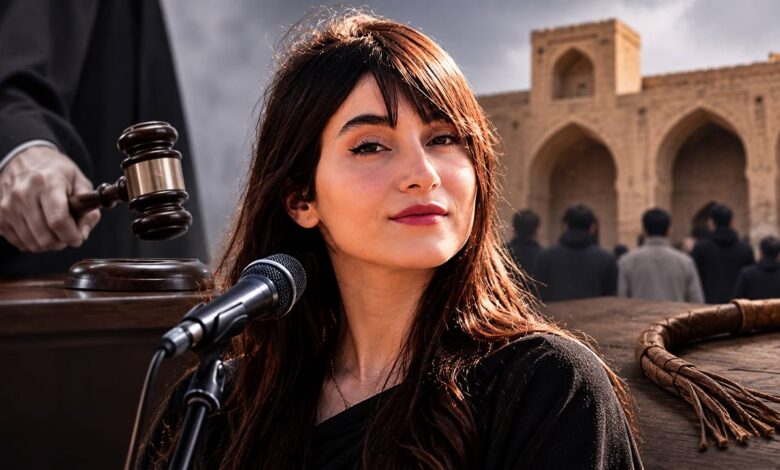
A sentence of 74 lashes against Parasto Ahmadi, a singer, and four musicians involved in a musical performance at the historic Dirgachin Caravanserai in Qom has been executed; a ruling that once again demonstrates that in the Islamic Republic, even singing and publishing an artistic performance can lead to legal prosecution, corporal punishment, and professional deprivation.
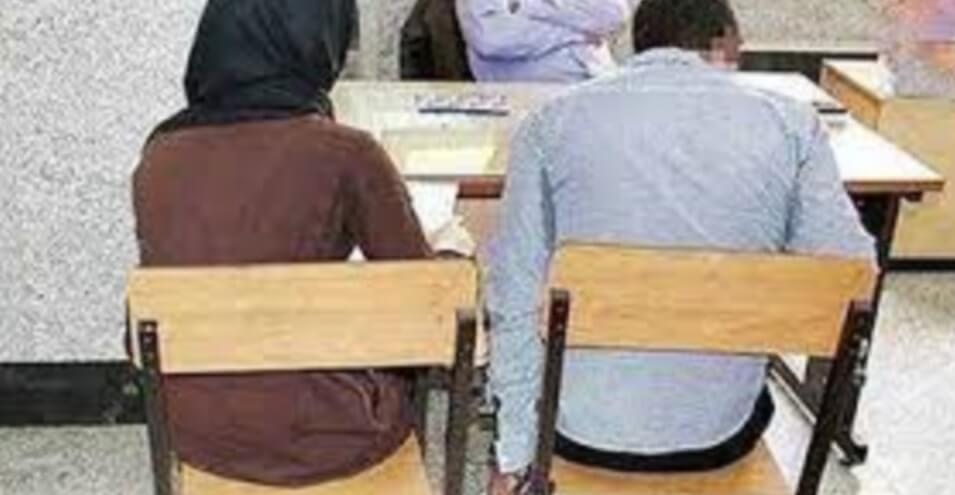
Mostafa Nili, a lawyer, announced on Monday, the second of Azar (November 23), that the sentence of 74 lashes against Parasto Ahmadi, Soheil Faqih-Nassiri, Amin Taheri, Amir-Ali Pirnia, and Mohsen Lashkari has been executed. According to him, the five individuals appeared at the Qom Court after the sentence became final and was sent to the enforcement department, where the lashing punishment was carried out.
This case stems from Parasto Ahmadi’s musical performance at the historic Dirgachin Caravanserai in Qom; a performance whose video was published on December 11, 1403 on the singer’s YouTube channel. Ahmadi sang without observing mandatory hijab in this program and was accompanied by a group of male musicians. This performance became known on social networks as a “virtual concert” and was met with widespread reception from users.
However, the response of the Islamic Republic’s judicial system to this artistic performance was the opening of a case file and the issuance of a sentence. Branch 122 of the Criminal Court II of Qom convicted Ahmadi and those involved in organizing the program on charges of “damaging public chastity through the production and distribution of vulgar and immoral content in cyberspace” to 74 lashes, two years of deprivation from artistic and musical activities, and two years of travel ban.
Branch 16 of the Appeals Court of Qom also rejected the appeal and upheld the sentence. Now, with the execution of the lashing punishment, part of this ruling has been carried out.
The case of Parasto Ahmadi is not merely about one singer or one musical performance; the issue is the intervention of the judicial system in the most basic spheres of individual and artistic freedom. In this case, a musical performance, a woman’s choice of clothing, and the accompaniment of male musicians have become subjects of criminal prosecution.
The Islamic Republic government has long attempted, through imposing extensive restrictions on women’s musical activities, to subordinate their presence and voice to its ideological regulations. In such circumstances, even publishing a music video in cyberspace can serve as a pretext for opening a case and imposing punishment.
The fundamental question is: what right does the government have to impose corporal punishment based on an artist’s clothing or the form of their musical performance? What harm to society justifies a judicial response of 74 lashes and two years of deprivation from artistic work?
The reliance on vague and general concepts such as “public chastity” and “vulgar content” also raises concerns about the legal security of artists; since such terminology can subject a broad range of normal behaviors and cultural activities to arbitrary treatment.
In this case, corporal punishment is not the only part of the sentence handed down. Two years of deprivation from artistic and musical activities and two years of travel ban have also been prescribed for the convicted individuals. Thus, those who participated in one musical program face, in addition to enduring corporal punishment, restrictions on continuing their profession and personal life. These punishments raise another question: why should artistic activity be punished in a way that limits the artist’s ability to continue their work and maintain contact with their audience?
It should also be noted that the report on the execution of the current sentence names five individuals as those who have had the lashing punishment carried out against them; whereas previous reports on the initial conviction and appeals process mentioned a greater number of those involved in organizing the program. Therefore, the enforcement status of the sentence regarding the other individuals in the case should be clarified separately.
The venue of this program, the historic Dirgachin Caravanserai, is itself part of Iran’s cultural heritage. This building could have served as a venue for introducing music, art, and Iran’s cultural capacities; but instead of focusing on the artistic value of such a program, its legal proceedings resulted in the punishment of those involved.
This contradiction cannot be overlooked: a government that speaks in official statements about culture, art, and historical heritage, how does it treat artists who have performed a musical program in one of the country’s historic buildings?
Ultimately, the execution of the lashing sentence against Parasto Ahmadi and her four colleagues, beyond punishing five individuals, sends a threatening message to the artistic community: artistic activity is accepted only as long as it does not cross the government’s ideological lines. Such an approach is neither a guardian of culture nor a supporter of art; rather, it is a restriction of creativity, an imposition of fear, and a deprivation of society of the right to cultural choice.
Art is not a crime and a woman’s voice is not a threat to society. The execution of this sentence once again demonstrated that in the legal system of the Islamic Republic, instead of supporting freedom of expression and artistic activity, punishment mechanisms are used to control the clothing, voice, and choices of artists.