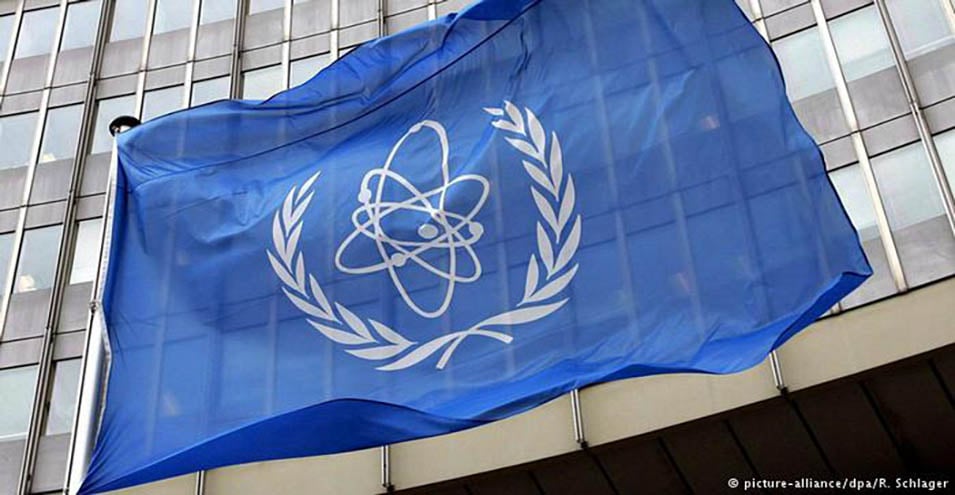
The Associated Press reports that a rift has emerged between the United States and Russia over how the IAEA reports on Iran's compliance with the nuclear deal. Western governments are demanding more details, but Moscow is resisting.
Although Russia and Western governments have overcome differences in their views on developments in Iran's nuclear program to sign and implement a historic nuclear agreement between Iran and world powers, there are reportedly ongoing disagreements over details behind the scenes.
The Associated Press reported on Tuesday (March 8) that Western governments are demanding more details in the IAEA's reports on developments in Iran's nuclear program and the Islamic Republic's adherence to its commitments under the JCPOA, while Russia, as Iran's ally, is resisting pressure to provide more details.
According to Vladimir Vorokov, head of the Russian delegation to the International Atomic Energy Agency, which is responsible for monitoring the historic agreement, remaining differences could affect the amount of information that will be made public about Iran's nuclear program in the future.
Read more: US plan to launch cyberattack on Iran if nuclear talks fail
"We believe this report is balanced and fair, but some of our colleagues think it could be more detailed," he said on the eve of a discussion on the IAEA's latest report on Iran by the 35 member countries of the Board of Governors.
China is on the same page with Russia on this issue. Iran has complained that the report is too detailed and that Yukiya Amano, the IAEA’s director-general, has tried to find a middle ground. However, Mr. Amano’s February report was reportedly more concise than any previous one, only mentioning Iran’s core commitments to the deal and minor deviations that occurred early in the agreement’s implementation.
Critics of the IAEA report say that the latest report does not mention the reduction in centrifuges or enrichment levels, and that changes to Iran's advanced centrifuges and enriched uranium stocks are largely unreported.
Read more: US and France: Security Council must decide on Iran missile test
"Without accurate reporting, the international community cannot be sure that Iran is complying with its obligations under the nuclear deal," says Olli Heinonen, former deputy director-general of the International Atomic Energy Agency. "The latest status of Iran's key nuclear facilities and equipment must be detailed in the reports."
Responding to these criticisms, Yukiya Amano told the Associated Press that the agency's reports on Iran "will be fact-based and impartial, and will include information that the agency deems necessary to provide."