Prices of food and non-food items increase in Iran amid worker protests

As guild protests, the coronavirus crisis, and widespread blackouts continue across Iran, reports show that the price of various food and non-food items continues to rise in Iranian cities, adding to the current problems of the people.
On Monday, July 4, the Iranian Labor News Agency, ILNA, reported on the registration to purchase government-issued chicken in Isfahan, writing that due to the 6,000-Toman price difference between government-issued and free-range chicken, buyers, who are often elderly, must register to purchase government-issued chicken so that they can obtain the goods they need after waiting in line for hours.
ILNA quoted a government chicken buyer as saying: "You can buy six kilos of chicken here for 26,000 tomans per kilo, which makes the total price about 150,000 tomans, while non-government chicken costs 32,000 tomans per kilo. The 40,000 tomans price difference in these bad economic conditions is not a small amount of money for me as a family. The rest of them who are here are definitely in a similar economic situation to me."
In another report, ISNA news agency, referring to a 28.5 percent increase in medical fees, wrote that even someone with insurance "pays about 60,000 tomans out of their own pocket for a visit costing 80,000 tomans."
The news agency also quoted one of the patients as saying: "Last year, a visit to a specialist doctor cost 80,000 tomans, but this year it has increased to 101,400,000 tomans. Now it is unclear what the rest of this amount is for!?"
Tasnim News Agency also reported "an increase in the prices of various goods, including detergent, sugar, and..." and wrote: "The price of pasta has officially increased by 70 percent."
The Statistical Center of Iran recently announced an annual inflation rate of 43 percent, with inflation rates in 15 of Iran's 31 provinces exceeding 50 percent.
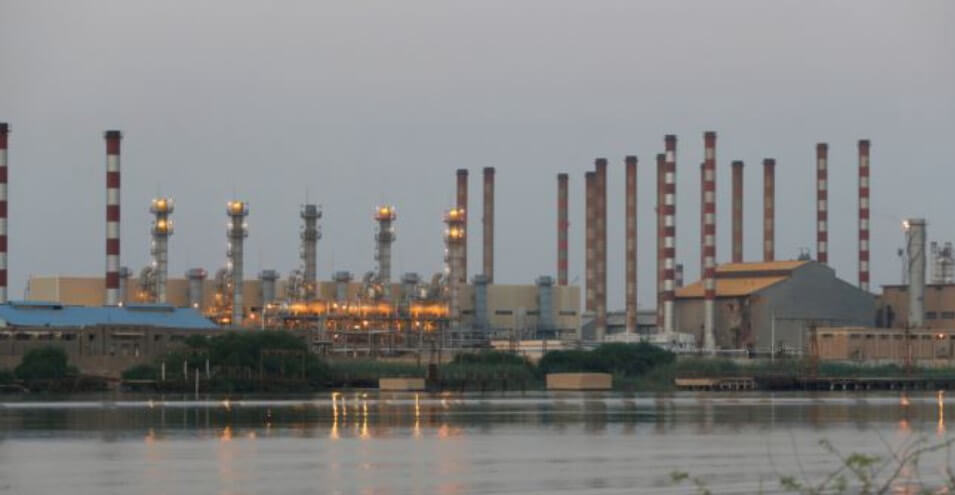
As prices continue to rise and income levels are out of proportion to inflation, employees and workers in various sectors have gone on strike. In recent weeks, most of the strikers in Iran's oil and gas industry have stopped working in protest of poor working conditions, low salaries, and inequality in the payment of wages and equal welfare facilities.