Disclosure of the content of an official resolution in Iran against Baha'is; Representative of the Baha'i International Community: This is an example of a "gross violation of human rights"
The publication of a document showing that local authorities in the city of Sari in Mazandaran Province have issued an official decree regarding "strict controls" on the city's Baha'is "in terms of their movements" and measures regarding "how to view Baha'i students" in order to "attract them to the religion of Islam," has prompted a reaction from the Baha'i International Community and human rights activists.
The document, a copy of which was also sent to Voice of America, states that a meeting of the "Ethnicities, Sects, and Religions of Sari County" commission was held on September 21 at the Sari County Governor's Office with the presence of some government officials, and reviewing the latest situation of Dervishes and Baha'i citizens of Mazandaran Province was on the agenda of this meeting.
According to documents available at this meeting, "meticulous arrangements" were approved to ensure "strict control" of the Baha'i community, including "private and public meetings" as well as "their other mechanisms."
According to the Baha'i International Community, Abdul Karim Lahiji, head of the Society for the Defense of Human Rights in Iran and honorary president of the International Federation of Human Rights Societies, described such actions by the Islamic Republic as an indication of the Iranian government's increasing persecution of followers of the Baha'i Faith, saying: "The regime, in violation of the country's international legal obligations, considers these followers apostates, prohibits their religion, and considers practicing the Baha'i Faith to be a misguided act."
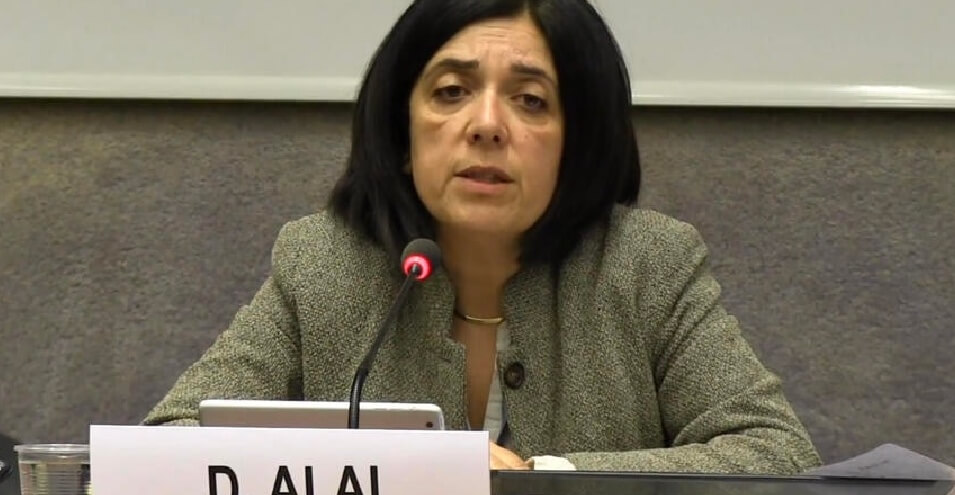
Dian Ala'i, the representative of the Baha'i International Community to the United Nations in Geneva, also said, noting that similar meetings and resolutions regarding Baha'is may be underway throughout Iran, "The publication of this document is a clear reminder of examples in history when oppressive governments have monitored minorities with strict laws before implementing even more oppressive measures."
Ms. Ala'i added: "This document clearly demonstrates that the government's actions are currently a new threat to the fundamental right to freedom of religion and belief of Baha'is."
Based on the information published in this document, the Education Department of Sari Districts 1 and 2 has been instructed to increase the level of "awareness" among teachers and school administrators regarding "how to view Baha'i students" and "attract them to the religion of Islam," and to identify Baha'i students.
The representative of the Baha'i International Community also continued his remarks by declaring the measures regarding children as "shocking" and saying: "The fact that an official document details specific programs to change the beliefs of children is a gross violation of human rights. This not only targets individual beliefs, but is an interference in the personal sphere and is effectively religious coercion."
The United States Commission on International Religious Freedom also expressed concern in its annual report in early May about the state of religious freedom in Iran; part of the report states that the Islamic Republic has increasingly targeted Muslim minorities, especially Sunnis and Dervishes, as well as followers of other religions and denominations, including Baha'is and Christians.