Mandatory hijab: God's decree or the law of the system
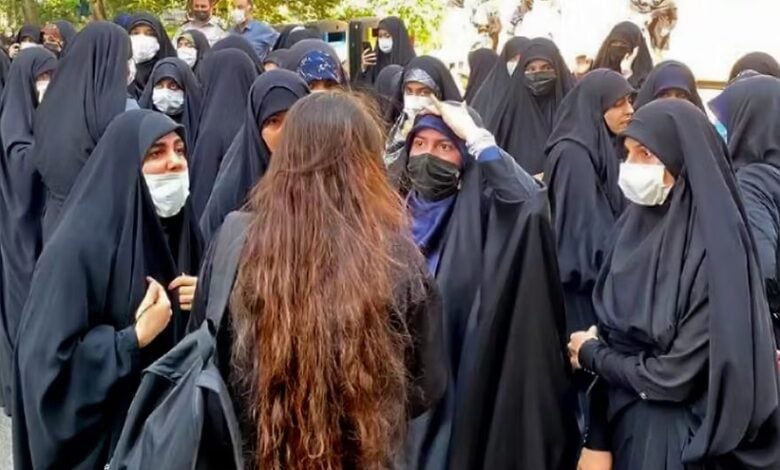
Skeptics regarding whether compulsory hijab is a divine decree or a system law contacted Ayatollah Shirazi's office.
Ayatollah Seyyed Sadeq Hosseini Shirazi is a mujtahid, jurist, and professor of jurisprudence at the Qom Seminary. He is also a Shiite religious authority in Qom and a critic of the Islamic Republic of Iran. Sadeq Shirazi is from the Shirazi family, a family that has played an important role in the history of Shiite clergy and religious authority.
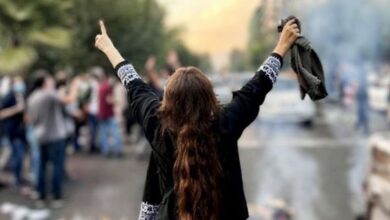
Hijab is an issue that has been discussed and reacted to by regime elements these days, and many have been arrested for not observing it and have been subjected to heavy penalties. Regime elements, some of whom are also known as commanders, have in some cases behaved violently towards people who appear in public places without the mandatory hijab.
There were many reactions to this behavior, especially after the death of a woman following a dispute over the hijab, from the public as well as various authorities. In this regard, skeptics regarding the hijab contacted the office of Ayatollah Shirazi and received answers in this regard.
Today, Friday, May 28, this audio call was published on social media, in which an expert from Ayatollah Shirazi's office talks about "Hijab is a decree of God, but it is not compulsory." In this audio file, the questioner asks the expert whether the compulsory hijab in Iran is a decree of God or a law of the government system?
The expert says regarding this question: "This issue is a commandment of the Quran and God, but it is not compulsory. Rather, it must be said with language and good manners. In response to the questions, he continues that hijab is obligatory but not compulsory. Like prayer, which is obligatory, but they do not beat anyone for not praying."
The questioner believes that since hijab is obligatory but not compulsory, then the system's law regarding hijab is nothing more than an invention that is why people are treated with violence and disrespect.
The full audio file of this conversation can be heard below.
The answer to this question is given by various experts and religious authorities, while Mahsa Amini was killed not for not wearing a hijab, but, according to regime officials, for wearing a bad hijab, which led to the uprising of the popular revolution.
How important is the role of the hijab in this revolutionary uprising? Can continuing to disregard the mandatory hijab bring about a change in the process of the regime's downfall? Because it has now become the most important issue for the regime.